
A fast food takeaway lives or dies on about six hours of peak trade a week, a fryer line that keeps up with them, and a hygiene rating good enough to stay on the delivery apps. Since 29 September 2026, planning policy in England tells councils to refuse new takeaways within reasonable walking distance of schools outside town centres, and a takeaway taking £4,000 a week pays about £667 of it in VAT.
Updated in November 2026. The rules below are those of England unless stated, with Scotland, Wales and Northern Ireland covered where they differ. Figures come from takeaways offered for sale, catering equipment and wholesale price lists, council fee schedules, insurers’ and fire services’ guidance, delivery platform terms and the statutory schedules. A takeaway sells hot food mainly to be eaten elsewhere; a dining room changes the planning use and the economics, covered in the guide to opening a restaurant.
Opening a takeaway in the UK: key figures for 2026
- Planning: a hot food takeaway is a sui generis use in England; since 29 September 2026, policy HC5 of the National Planning Policy Framework tells councils to refuse new ones within reasonable walking distance of schools outside designated town centres
- Registration: free, with the council, at least 28 days before opening
- Late licence: hot food after 11pm needs a premises licence in England and Wales, £100 to £635 to apply, and a late hours catering licence in Scotland
- Kitchen: equipment from about £6,000 to £40,000 plus VAT, roughly half of the total fit-out; an installed extraction system quoted at about £6,725 plus VAT
- VAT: hot food is standard-rated at 20%, so a takeaway taking £4,000 a week pays about £667 a week in VAT
- Delivery: 13% to 35% commission depending on the platform and who delivers, plus VAT
- Break-even: on illustrative figures, about 87 orders of £25 a week before the owner is paid, and about 160 to pay the owner about £895 a week
What is a fast food takeaway business?
A fast food takeaway business cooks hot food to order, or keeps it hot, and sells it over the counter, by phone and through delivery apps. Kebab, fried chicken, pizza, fish and chips, burgers and Chinese or Indian takeaways share the same base: a small unit, fryers or grills under extraction, short evening peaks, and a large share of orders arriving through platforms that charge a commission on each one. A kitchen that sells only through apps, with no counter, is a dark kitchen, set out in the guide to opening a dark kitchen.
How to open a takeaway in the UK, step by step
The checklist, in the order openings usually run:
- Menu sized to the peak hour, the fryer line and the delivery ride
- Planning position confirmed: takeaway use, schools, flue and signage
- Unit checked for power supply, duct route and drainage before signing
- Kitchen fitted with extraction, a gas interlock and separate oil pots
- Fire risk assessment done and duct cleaning booked to the insurer’s schedule
- Food business registered 28 days ahead, with the first inspection prepared for
- Late night refreshment licence in place for hot food after 11pm
- Prices costed per portion, with VAT built in
- Delivery set up to keep the margin: platform terms, own drivers, direct orders
- Staff rota built around the peaks, with right to work checks
Denny’s
America’s Favorite Diner
- Restaurant
- 1450 Locations
- Liquid capital: £500000
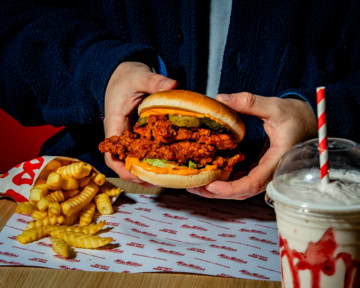

Miss Millie’s – Chicken and Shakes
Fried chicken fast food
- Restaurant
- 14 Locations
- Liquid capital: £100000
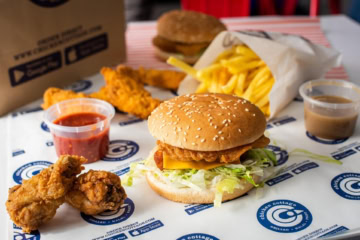
Chicken Cottage
Halal grilled & fried chicken excellence
- Restaurant
- 77 Locations
- Liquid capital: £90000
Amigos Burgers & Shakes
Burgers, Shakes, Good Times
- Food – Drink
- 25 Locations
- Liquid capital: £170000
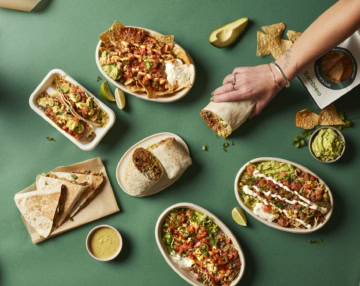

Zambrero
Purpose-led Mexican QSR
- Restaurant
- 16 Locations
- Liquid capital: £50000
1. Size the menu to the peak hour, the fryer line and the delivery ride
A takeaway’s trade is concentrated into a few evening hours: one UK catering equipment supplier puts it at about six hours a week, and advises sizing the kitchen for the busiest hour rather than the daily total. Every dish on the menu either fits that hour or slows it down. The equipment decides how fast the kitchen can cook:
| Concept | Hero appliance, published price excluding VAT | Published output |
|---|---|---|
| Fried chicken | 16 litre pressure fryer, £591.66 | About 8 portions per 4-minute cycle, around 120 portions an hour |
| Pizza | Single-phase twin deck oven, £1,261.15 | 50 to 60 pizzas an hour |
| Kebab | Three or four-burner kebab grill, £641.64 to £1,008.33 | Zoned burners, heated only where needed |
| Chips and fried items | Twin countertop fryer £189.99 plus a 13 litre allergen fryer £114.81 | A three-pot line for about £305 |
Source: a UK catering equipment supplier’s published prices and output figures, August 2026.
The menu also has to survive the journey. The same supplier’s guidance on hot holding above 63°C is blunt: battered fish goes soft within about ten minutes, chips hold acceptably for about fifteen under radiant heat, and fried chicken on the bone holds well for about thirty. Sauces travel separately. A menu built from food that holds well is a delivery menu; one that does not is a collection menu, whatever the app listing says. Supplier and adviser guides also warn against a menu that is too large, since every extra dish adds stock, waste and time at the pass.
Before signing, the planning permission for the unit is read alongside the lease: one fitted takeaway offered to let in 2026 has planning use limited to kebabs and ancillary items only, so a different menu there needs a new application. Pizza is covered in more depth in the guide to opening a pizzeria.
2. Confirm the planning position: use, schools, flue and signs
In England a hot food takeaway is a sui generis use, outside the Class E that covers shops, cafés and restaurants, so turning a shop into a takeaway needs planning permission. The new National Planning Policy Framework published on 29 September 2026 sets the rule in policy HC5 of the National Planning Policy Framework: proposals for hot food takeaways are to be refused within reasonable walking distance of schools and other places where children and young people congregate, unless the site is within a designated town centre, or where there is evidence that a concentration of takeaways is harming local health, pollution or anti-social behaviour. The rule was previously paragraph 97 of the December 2024 framework, and many councils already apply it with a 400 metre distance in their own planning documents.
- Existing permission: a unit that already has takeaway use is worth more for that reason alone, along with its conditions on hours, extraction and odour
- The flue: an extraction duct to atmosphere usually needs planning permission and the landlord’s consent; a unit with no duct route can be the most expensive one on the market once it is added
- Signs: an illuminated fascia sign can need advertisement consent from the council
- Opening hours: planning conditions and the premises licence each set hours, and the stricter of the two applies
3. Check the unit before signing: takings, rent, power and drains
Takeaways offered for sale show what established ones take and pay:
| Takeaway for sale | Takings and rent | Asking price |
|---|---|---|
| Kebab and pizza takeaway, trading for 16 years | About £6,000 a week; rent £275 a week | £65,000 to £80,000 |
| Chinese takeaway run by a couple with a part-time driver | £3,500 to £4,000 a week; rent £18,000 a year | £44,950 |
| Fish and chip takeaway with two part-time staff | £3,000 to £3,500 a week, about £500 of it through a delivery app; rent £300 a week | Not stated |
| Fitted takeaway unit, use limited to kebabs | Rent £12,500 a year | £90,000 premium for the fit-out |
| Fried chicken takeaway on a trade park, one year trading | Rent £4,320 a year | £39,950 |
Business-for-sale and property listings, 2025 to 2026; takings are the sellers’, some verbally advised, and not audited.
Rent works out at about 5% to 9% of takings in the first three examples. Beyond the rent, the checks that change the cost of a unit are physical:
- Power: larger fryer banks and some ovens need a three-phase supply; the same supplier puts an upgrade at about £1,500 to £4,000 where network capacity exists, with lead times that can run to months
- Duct route: whether extraction can reach atmosphere, and whether the lease allows it
- Water and drains: a hand-wash basin separate from the food sinks, and room for a grease trap
- Dead rent: rent is usually paid for one to three months of fit-out before the first sale, according to a kebab supplier that works with new takeaways
- The lease: the use clause, repairing obligations and rent reviews, read by a solicitor before signing
4. Fit the kitchen: extraction, gas interlock and separate oil
For a takeaway, extraction is the line that ruins budgets late. The benchmark is DW172, the kitchen ventilation specification of the Building Engineering Services Association, and gas appliances under a canopy need a gas interlock to BS 6173, so gas cannot flow unless the extraction is running:
| Item | Published price, excluding VAT |
|---|---|
| Bespoke extraction canopy, small to mid site, before ducting | About £2,500 to £6,000 |
| Complete extraction system, public sector quotation | About £6,725: 2.4 metre canopy £4,360, supply air £1,695, cladding £345, removal of old system £325 |
| Twin tank gas fryer, one Lincat model | £2,308 to £2,884, depending on the supplier |
| Heavy duty twin tank fryer | £3,630; more than £5,700 with pumped oil filtration |
| 485 litre chest freezer for frozen stock | £419.78 |
| Equipment for a whole takeaway, by tier | About £6,000 to £10,000 entry; £12,000 to £20,000 mid; £25,000 to £40,000 and up premium |
Sources: UK catering equipment supplier price lists and guidance, August to October 2026; Contracts Finder tender attachment.
The same supplier puts equipment at about 40% to 50% of total fit-out spend, so a £15,000 kit list means a project closer to £30,000, and a kebab supplier advises a contingency of at least 15% on top of the fit-out quote. Two practical rules come up repeatedly. Separate oil pots beat one large fryer: shared oil carries allergen cross-contact, which the supplier describes as the most common issue environmental health officers find in small takeaways, and two smaller pots recover temperature faster when a basket of frozen chips goes in at peak. And domestic appliances have no place in the kitchen, since inspectors fail them and insurers can decline claims involving them.
5. Manage the fire risk: assessment and duct cleaning
Under the Regulatory Reform (Fire Safety) Order 2005, the responsible person for a takeaway carries out a fire risk assessment and controls the risk from grease in the extraction system. Guidance from the London Fire Brigade names grease deposits in ductwork as a fire risk and links cleaning frequency to insurers’ requirements. The cleaning standard is TR19 Grease, published by the same association, which sets frequencies by hours of use, and one fire service’s guidance notes that insurance policies invariably set a minimum cleaning frequency, sometimes higher than TR19. Without a valid cleaning certificate, insurers can refuse a fire claim. The practical steps:
- Booked cleaning: duct and canopy cleaning on the frequency the insurance policy sets, with the certificate kept on site
- Filters: canopy filters cleaned on a daily or weekly routine by staff, between specialist cleans
- Fryer fires: a fire blanket and the right extinguisher for cooking oil next to the fryer line
- Gas: commercial gas work only by an engineer on the Gas Safe Register
6. Register, and prepare for the first hygiene inspection
Registration with the council is free and due at least 28 days before opening, and trading without it is an offence. The first inspection of a takeaway sets the hygiene rating that the delivery apps check, and the Food Standards Agency’s own research finds businesses rated 2 or below twice as likely to be linked to food poisoning outbreaks as those rated 3 or above. Independent analyses of the agency’s data find takeaways less likely than restaurants to hold the top rating of 5. What inspectors look for in a takeaway:
- A written food safety system, usually the Food Standards Agency’s Safer Food, Better Business pack, with temperature, cleaning and supplier records
- Allergen control: a dedicated fryer for allergen-free items, separate utensils and colour-coded boards, information on the 14 regulated allergens for every item, and for phone and online orders before the order is completed and again at delivery
- Structure: a hand-wash basin separate from the food sinks, surfaces that can be cleaned, and pest proofing
- Contracts: a preventive pest control contract and a commercial waste contract, with records of each visit
A business that fixes the problems can request a re-visit for re-rating, but in England many councils charge for it and the visit can take up to three months:
| Council | Fee for a requested re-rating visit, 2026/27 |
|---|---|
| Mid Devon; Charnwood | £183 |
| Rotherham | £195 |
| Hart | £215 |
| Newham | £290 |
| Warwick | £313 |
| Windsor and Maidenhead | £371.32 |
Sources: council fee pages, 2025/26 to 2026/27. The new rating can go up, down or stay the same.
For a takeaway that relies on delivery, a low first rating is a fee of £183 to £371, a wait of up to three months, and potentially weeks off the apps, which set their own minimum ratings for listing. Display at the door is compulsory in Wales and Northern Ireland.
7. License hot food after 11pm
Supplying hot food or hot drinks to the public between 11pm and 5am is late night refreshment under the Licensing Act 2003 and needs a premises licence, whether the food is eaten nearby or delivered. The licensable moment is when the food is handed over, so orders taken before 11pm but collected after it are caught. The application fee is set by the rateable value of the premises, from £100 in the lowest band to £635 in the highest, with an annual fee of £70 to £350. Councils often attach conditions on hours, noise and litter; the process works the same way as for the bars and pubs licensing guide sets out.
The rules change at the border, and a takeaway outside England works to different schemes:
- Scotland: food sold between 11pm and 5am needs a late hours catering licence under section 42 of the Civic Government (Scotland) Act 1982, which Glasgow City Council notes applies even to a small amount of food; councils publish fees such as £263 in East Ayrshire and £300.30 for a new grant in Angus, allow 28 days for objections, and set policy hours, such as 11pm to midnight from Sunday to Thursday and 11pm to 2am on Fridays and Saturdays in Renfrewshire
- Wales: the hygiene rating must be displayed at the premises, and takeaways must include a statement about their rating on printed menus and leaflets
- Northern Ireland: display of the hygiene rating is compulsory
- Planning: Scotland, Wales and Northern Ireland run their own planning systems, so policy HC5 applies in England only
8. Cost every portion, with VAT built in
Hot takeaway food is standard-rated for VAT at 20%, while most cold takeaway food is zero-rated, except confectionery, crisps, ice cream and soft drinks, which are standard-rated wherever they are sold. Registration is compulsory once taxable turnover passes £90,000 a year, about £1,730 a week, so a takeaway taking £4,000 a week registers early and pays about £34,700 a year in VAT. In a takeaway, costing starts at the portion. The worked example takes a portion of chips:
| Portion of chips | Figure |
|---|---|
| 250g of frozen fries at a national wholesaler’s £2.15 per kg collected | About £0.54 |
| Frying oil and box, allowance | About £0.18 |
| Cost per portion | About £0.72 |
| Price £3.50 including VAT, net of VAT | £2.92 |
| Left per portion before overheads | About £2.20, a 25% food cost |
Illustrative, using a wholesale list price for a 10kg case at £21.49 collected, October 2026; oil and packaging allowance not sourced.
Oil is the input that moves most: the Food and Drink Federation’s June 2026 price dashboard showed rapeseed oil up 19.6% and sunflower oil up 26.3% on a year earlier. A menu costed once at opening drifts out of line within months, so recosting every main item each quarter, and after any supplier price change, keeps the margin where it was planned. Fryers with built-in filtration are sold on making oil last longer, which matters more when oil prices climb.
In a kebab shop, the meat grade moves the cost more than any other choice. The same wholesaler lists doner cones from about £1.34 to £5.51 a kilo, and the worked example puts 150g of each in an £8 kebab:
| Doner grade, wholesale list price | Meat in a 150g portion | With bread, salad, sauce and box | Food cost on £8 including VAT |
|---|---|---|---|
| Economy doner, about £1.34 a kg | About £0.20 | About £0.60 | About 9% |
| Mixed-meat doner, about £4.40 a kg | About £0.66 | About £1.06 | About 16% |
| Chicken leg doner, about £5.51 a kg | About £0.83 | About £1.23 | About 18% |
Illustrative: wholesale list prices for 5kg to 15kg cones, October 2026; portion size, £0.40 allowance for bread, salad, sauce and box, and selling price not sourced.
The cheapest cone more than halves the food cost, but the meat is what customers taste and review, and cooked weight is lower than raw weight on every grade. One wholesaler’s product note tells kitchens not to use the last 5mm of meat on the centre pole, a reminder that the usable yield of a cone is less than its label weight.
9. Set up delivery so it keeps the margin
For a takeaway, none of the three main platforms publishes a full UK rate card, so the figures below are their own published fees where available and 2026 industry comparisons otherwise:
| Platform | With the platform’s riders | With the takeaway’s own drivers | Other charges reported |
|---|---|---|---|
| Uber Eats | 30% | 13% | Marketing optional |
| Just Eat | About 30% | About 14% | Tablet fee of about £50 a month |
| Deliveroo, owned by DoorDash since October 2025 | About 25% to 35% | About 20% to 25% | Activation fee |
Sources: Uber Eats UK pricing page; 2026 UK platform fee comparisons. Commission is invoiced plus VAT.
On a £25 order, a 30% commission with VAT is £9.00; 14% on own-delivery terms is £4.20; an order through the takeaway’s own website pays no commission, against a direct ordering system that 2026 comparisons put at about £30 to £150 a month. A VAT-registered takeaway reclaims the VAT on platform fees. The levers takeaways use:
- Own drivers on own-delivery terms where the area is compact enough to deliver within the hold times of the menu
- A separate delivery menu priced above the counter menu to absorb the commission
- A direct ordering channel, with a leaflet or code in every bag to bring repeat customers back to it
- Drivers’ insurance: delivering food needs cover for hire and reward on the vehicle, which standard business use does not include; drivers paid by the takeaway also need right to work checks
In the fish and chip example above, about £500 of £3,000 to £3,500 a week came through a delivery app, so the platform was a supplement rather than the whole business.
10. Build the rota around the peaks, and check right to work
Staffing a takeaway follows the peaks rather than the opening hours:
- Peaks: Friday and Saturday evenings carry the week, so staff hours are concentrated there rather than spread evenly
- Pay: the National Living Wage is £12.71 an hour at 21 and over from 1 April 2026, and £10.85 at 18 to 20
- Young workers: under-18s generally cannot work between 10pm and 6am; in catering they can work up to midnight where needed and supervised, but never between midnight and 4am
- Right to work: from 1 October 2026 the Home Office scheme covers workers and individual subcontractors as well as employees, including self-employed delivery drivers, with penalties of up to £45,000 per worker for a first breach; takeaways are among the sectors named in Home Office enforcement figures
- Employer costs: employer National Insurance at 15% above £5,000 a year, offset by the £10,500 Employment Allowance
The running costs new owners most often forget
Beyond rent, food and wages, a takeaway carries a set of smaller contracts that are easy to leave out of a first budget:
| Running cost | Published example |
|---|---|
| Commercial waste, general | £531 a year for a weekly 240 litre bin in Richmond, 2026/27; £6.60 per collection in Fylde; from £20 a month in Burnley |
| Food waste | £351 a year for a 240 litre food bin in Richmond, 2026/27 |
| Duct and canopy cleaning | On the frequency the insurance policy sets, to TR19 Grease |
| Pest control | £750 a year for food premises, 6 to 12 visits, North Northamptonshire Council; from £345 a year for a rodent contract, Tameside |
| Insurance | 10% of fast food takeaways paid £404.19 a year or less with one broker for employers’ and public liability; an independent 2026 quote survey averaged £1,175 a year with employers’ liability |
| Used cooking oil | Collected by a registered waste carrier with a waste transfer note |
| Music | A licence from PPL PRS if music is played to customers |
| EPOS and ordering software | Monthly subscriptions on top of the hardware |
Sources: council trade waste and pest control fee pages; broker data and an independent quote survey, 2026; fire service and insurer guidance; supplier guidance.
Insurance claims in this trade are often about fire: the same broker publishes a fryer fire claim that paid out £3,755.75 against a £100 excess. Insurance guidance for takeaways warns that policies can exclude undeclared deep-fat fryers or LPG cylinders, so every fryer and gas bottle goes on the proposal form, alongside the duct cleaning schedule the policy requires.
- Packaging: single-use plastic cutlery and polystyrene food containers have been banned in England since 1 October 2023, including for delivery
- Food waste separation: compulsory for businesses with 10 or more full-time equivalent employees since 31 March 2025, and for smaller ones from 31 March 2027
- Business rates: Small Business Rate Relief in England removes the bill entirely at a rateable value of £12,000 or less, tapering to nothing at £15,000
- A contingency fund: a kebab supplier advises keeping 15% to 20% of total setup costs aside for breakdowns, price rises and a slow start
Denny’s
America’s Favorite Diner
- Restaurant
- 1450 Locations
- Liquid capital: £500000
Miss Millie’s – Chicken and Shakes
Fried chicken fast food
- Restaurant
- 14 Locations
- Liquid capital: £100000
Amigos Burgers & Shakes
Burgers, Shakes, Good Times
- Food – Drink
- 25 Locations
- Liquid capital: £170000
Zambrero
Purpose-led Mexican QSR
- Restaurant
- 16 Locations
- Liquid capital: £50000
SpudBros Express
The future of QSR
- Restaurant
- 6 Locations
- Liquid capital: £100000
How long it takes to open a takeaway
The order of the work matters as much as the cost, because several steps run on statutory or supplier timescales:
| Step | Timescale |
|---|---|
| Planning and lease checks, flue route and power supply | Before signing the lease |
| New planning permission for takeaway use, if needed | Councils normally decide minor applications within 8 weeks |
| Three-phase supply upgrade, if needed | Can run to months, depending on the network operator |
| Premises licence for hot food after 11pm | 28 days for representations after the application is advertised, longer if a hearing is needed |
| Fit-out and extraction | Typically one to three months of rent paid before the first sale |
| Food business registration | At least 28 days before opening |
| First hygiene inspection | Councils aim to inspect new businesses within 28 days of registration or opening |
| Delivery platform listing | After registration; platforms check the hygiene rating once published |
Sources: planning and licensing statutory timescales; Food Law Code of Practice; supplier guidance. Scotland runs a 28-day objection period for late hours catering licences.
Types of fast food takeaway
| Type | What it is built around |
|---|---|
| Kebab and grill | Doner, grills and a fryer, a late evening trade often needing a late night licence |
| Fried chicken | Pressure or twin tank fryers, quick service and a high share of delivery orders |
| Pizza takeaway | An oven rather than fryers, with delivery as a large share of orders |
| Fish and chips | Range fryers, cooking oil as a major cost, lunch and early evening peaks |
| Chinese, Indian and other cuisines | A wider menu, more preparation and phone or app orders |
| Franchised takeaway | A brand’s menu, suppliers and systems, against fees set in the agreement |
L’Express Franchise, October 2026.
How much does it cost to open a takeaway?
No official UK average start-up cost exists. The published lines that apply:
| Cost line | Published figure |
|---|---|
| Food business registration | Free, 28 days before opening |
| Equipment, whole takeaway | About £6,000 to £40,000 plus VAT by tier, roughly half of the total fit-out |
| Extraction, installed example | About £6,725 plus VAT |
| Three-phase supply upgrade, where needed | About £1,500 to £4,000 |
| Premises licence for late night refreshment | £100 to £635 to apply, £70 to £350 a year |
| Premium for a fitted takeaway, example | £90,000 |
| Hygiene re-rating visit, if needed | £183 to £371.32 in the councils listed above |
Sources: FSA; supplier price lists; Contracts Finder; licensing fee schedule; property listings; council fee pages.
A week in a takeaway taking £4,000
The worked example takes £4,000 a week including VAT, a fifth of it through a delivery app at 30%, food and packaging at 32% of net sales, a rent of £15,000 a year in line with the listings above, and one part-time employee working 25 hours alongside the owner:
| Weekly line | Figure |
|---|---|
| Takings including VAT | £4,000 |
| VAT at 20% | £667 |
| Delivery app commission on £800 of orders | £240 |
| Food and packaging at 32% of net sales | £1,067 |
| Card fees on counter sales | £54 |
| Staff: 25 hours at £12.71, plus about 13% on-costs | £359 |
| Rent | £288 |
| Business rates, utilities, waste and other costs | £430 |
| Left for the owner | About £895 a week, about £46,500 a year |
Illustrative inputs except the VAT rate, platform fee, card fee and wage rate, L’Express Franchise, October 2026. Before Income Tax and National Insurance on the owner’s share.
VAT is the largest deduction after food, bigger than rent and wages together. The £895 is also pay for the owner’s own hours behind the counter, which in a takeaway open six evenings a week can easily exceed 50 hours.
How many orders a takeaway needs
On the same assumptions, each £1 of takings leaves about 49p after VAT, food, the delivery commission and card fees, against weekly fixed costs of about £1,077 for staff, rent, rates, utilities and waste. Turned into orders of £25:
| Target | Weekly takings needed | Orders of £25 a week | Orders a night, six nights |
|---|---|---|---|
| Cover the costs, owner unpaid | About £2,184 | About 87 | About 15 |
| Pay the owner £600 a week | About £3,401 | About 136 | About 23 |
| Pay the owner about £895 a week | About £4,000 | About 160 | About 27 |
Illustrative, using the weekly example above; every order assumed at £25 including VAT.
Orders do not arrive evenly: Friday and Saturday carry more than their share, so a takeaway at break-even on paper still needs its weekday evenings to hold up. The orders-a-night figure is the number to compare against a site’s footfall and the competition on the apps before signing.
Opening a takeaway on a lower budget
The lower-cost route is a unit that already has takeaway permission, extraction and gas in place, where the premium buys the fit-out and the planning position together, and an entry-level kitchen built around countertop fryers on a single-phase supply. For franchise options at lower entry points across all sectors, see low cost franchises in the UK.
Opening a takeaway through a franchise
A franchise is the other route into a fast food takeaway. Franchising in the UK has no franchise statute or disclosure law, as set out in what a franchise is, so what a franchise provides and charges is set by each agreement. What franchisors in this sector typically supply:
- A brand customers already search for, on delivery apps as well as on the high street
- A tested menu, recipes and approved suppliers, with prices negotiated across the network
- A kitchen specification: the fryers, grills and layout the format needs, which takes guesswork out of the fit-out
- Site criteria and approval: franchisors set the trading area, footfall and unit size they accept, though the unit still needs takeaway planning permission like any other
- Training and opening support for the owner and the first staff
What a franchise costs on top of the takeaway
The initial fees in the table below run from £15,000 to £43,000. Ongoing fees come on top for the length of the agreement: published franchise law guidance puts management service fees, or royalties, commonly at 5% to 8% of turnover, plus a marketing levy of 1% to 3%, sometimes with a fixed technology fee. Lower-cost formats exist too: Chicken Cottage offers a “store within a store” inside convenience shops, reported by the trade press at a £16,000 plus VAT joining fee for a 10-year licence, followed by a fixed monthly royalty.
The worked example compares the same takeaway at £4,000 a week, run independently and as a franchise paying 6% of net sales in royalty and 2% for marketing:
| Weekly line | Independent | Franchise at 6% plus 2% |
|---|---|---|
| Takings including VAT | £4,000 | £4,000 |
| Royalty and marketing levy | None | About £267 |
| Left for the owner | About £895 | About £628 |
| Takings needed to leave the owner £895 | £4,000 | About £4,620, 16% more |
Illustrative, using the weekly example above; fee rates from published UK franchise law guidance. Fees charged on gross rather than net sales, or on delivery orders, change the result.
The comparison turns on one question: does the brand bring at least 16% more trade than the same unit would take independently? Franchisors state average turnovers well above the independent takeaways offered for sale, from £270,000 to £3.2 million a year on their listings, but those figures are the franchisors’ own, often for larger formats with seating, and are not audited. Takings from existing franchisees of a similar size, and the base the royalty is charged on, are what answer it.
Fast food franchise opportunities in the UK
Fast food brands listed under fast food franchises publish these figures on their listings:
| Brand | Liquid capital | Initial fee | Total investment | Average turnover stated by the franchisor |
|---|---|---|---|---|
| Kokoko Rotisserie | £35,000 | £25,000 | £110,000 | £270,000 |
| Griolladh | £50,000 | £15,000 | £100,000 | Not stated |
| Zendoner | £80,000 | £43,000 | £346,000 | £649,000 |
| Chicken Cottage | £90,000 | £16,000 | £200,000 | £600,000 |
| SpudBros Express | £100,000 | £15,000 | £200,000 | £800,000 |
| Chikin Bang | £100,000 | £25,000 | £490,000 | £3,200,000 |
| Amigos Burgers & Shakes | £170,000 | £25,000 | Not stated | £1,200,000 |
Source: each brand’s L’Express Franchise listing, consulted October 2026. Figures are the franchisors’ own and not audited; turnover is not profit.
Several of the best-known chicken brands are not open to individual franchisees at all, as the article on opening a Nando’s explains. For food formats built around coffee or baking rather than hot food, see the guides to opening a coffee shop and opening a bakery.
Editor’s tip
Before buying a takeaway, read four documents alongside the accounts: the planning permission, for the use and any limit on the menu; the premises licence, for the hours after 11pm; the lease, for the use clause, the flue and rent reviews; and the last duct cleaning certificate, since an uncleaned system is a cost the buyer inherits. Then match the stated takings against card records, delivery app statements and VAT returns. For a franchise, ask existing franchisees what they take, and read whether the royalty is charged on gross or net sales and on delivery orders.
The practical difficulties operators report
- Planning sets the ceiling: new takeaways near schools outside town centres face refusal in England, so the planning position of a unit is part of its value
- The peak hour decides capacity: a kitchen sized for the daily total rather than Friday night loses orders when it matters most
- VAT arrives early: at £4,000 a week, a takeaway is far above the £90,000 threshold and pays a sixth of its takings in VAT
- Commission on every app order: £9.00 on a £25 order at 30% with VAT, against £4.20 on own-delivery terms
- A low rating is expensive: a re-rating visit costs £183 to £371 and can take three months, during which the apps may not list the takeaway
- Grease is a fire and insurance risk: without a duct cleaning certificate, a fire claim can be refused
- Oil prices move: rapeseed and sunflower oil were up about a fifth to a quarter in a year to June 2026
Denny’s
America’s Favorite Diner
- Restaurant
- 1450 Locations
- Liquid capital: £500000
Miss Millie’s – Chicken and Shakes
Fried chicken fast food
- Restaurant
- 14 Locations
- Liquid capital: £100000
Amigos Burgers & Shakes
Burgers, Shakes, Good Times
- Food – Drink
- 25 Locations
- Liquid capital: £170000
Zambrero
Purpose-led Mexican QSR
- Restaurant
- 16 Locations
- Liquid capital: £50000
SpudBros Express
The future of QSR
- Restaurant
- 6 Locations
- Liquid capital: £100000
Griolladh
Fast Irish Comfort Food
- Restaurant
- 13 Locations
- Liquid capital: £50000
The bottom line
Opening a fast food takeaway in the UK starts with planning permission for a sui generis use, refused in England near schools outside town centres under policy HC5 since September 2026, then free food registration 28 days before trading and a late night licence for hot food after 11pm. The kitchen is built for the peak hour, with separate oil pots, extraction to DW172, a gas interlock and ducts cleaned to the insurer’s schedule, and the first hygiene inspection is prepared for as carefully as the opening. On illustrative figures, a takeaway needs about 87 orders of £25 a week to cover its costs and about 160 to leave its owner about £895; a franchise at 6% royalty and 2% marketing needs about 16% more takings to leave the same.
Frequently asked questions about opening a takeaway in the UK
Yes, in most cases. A hot food takeaway is a sui generis use in England, outside Class E, so converting a shop or café needs planning permission. Under policy HC5 of the National Planning Policy Framework published in September 2026, councils are to refuse new takeaways within reasonable walking distance of schools unless the site is within a designated town centre.
No official average exists. Equipment alone runs from about £6,000 to £40,000 plus VAT by tier, roughly half of the total fit-out; an installed extraction system was quoted at about £6,725 plus VAT; and one fitted takeaway was offered with a £90,000 premium.
Food business registration with the council is free and due 28 days before opening. Selling hot food or hot drinks between 11pm and 5am also needs a premises licence for late night refreshment, costing £100 to £635 to apply and £70 to £350 a year depending on rateable value.
It varies widely. Takeaways offered for sale report from about £3,000 to £6,000 a week. On illustrative figures, a takeaway taking £4,000 a week leaves its owner about £895 a week after VAT, food, a delivery commission, wages and rent.
Hot takeaway food is standard-rated at 20%. Most cold takeaway food is zero-rated, except confectionery, crisps, ice cream and soft drinks, which are always standard-rated. Registration is compulsory above £90,000 of taxable turnover.
The standard is TR19 Grease, which sets cleaning frequency by hours of use, and insurance policies usually set a minimum frequency of their own. Without a valid cleaning certificate, an insurer can refuse a fire claim.
Uber Eats publishes 30% with its couriers and 13% when the takeaway delivers. 2026 comparisons put Just Eat at about 14% on own delivery and about 30% with its riders, and Deliveroo at about 20% to 35%. Commission is invoiced plus VAT.
A franchise supplies a brand, a menu, suppliers, a kitchen specification and training, and usually approves the site. It still needs takeaway planning permission, and it adds an initial fee and ongoing fees, commonly 5% to 8% of turnover plus 1% to 3% for marketing. At 6% plus 2%, a franchised takeaway needs about 16% more takings to leave the owner the same as an independent one.
The business can fix the problems and request a re-rating visit. In England many councils charge for it, from £183 to £371.32 in the examples above, and the visit can take up to three months. Delivery apps set minimum ratings for listing.
On illustrative figures, with about £1,077 a week of fixed costs and about 49p left from each £1 of takings after VAT, food, delivery commission and card fees, a takeaway needs about 87 orders of £25 a week to break even, and about 160 to pay its owner about £895 a week.
Yes. Selling food to the public between 11pm and 5am in Scotland needs a late hours catering licence under section 42 of the Civic Government (Scotland) Act 1982. Councils set the fee, such as £263 in East Ayrshire or £300.30 for a new grant in Angus, and their own policy hours.
Fast food brands listed on L’Express Franchise include Kokoko Rotisserie, Griolladh, Zendoner, Chicken Cottage, SpudBros Express, Chikin Bang and Amigos Burgers & Shakes, with liquid capital from £35,000 to £170,000 on their listings.