


Open a Gym - Fitness Franchise
Gym - Fitness Franchises Listing
Reset filters
filter
Personal Contribution
- < £5 000
- £5 000 - £10 000
- £10 000 - £25 000
- £25 000 - £50 000
- > £50 000
Deselect
Sort By
- Most recent sign
- Oldest franchise
- Lowest personal contribution
- Largest personal contribution






Gym and fitness franchise questions
Is a gym franchise profitable in the UK?
Gym franchise profitability depends on how fast the site builds and keeps its membership base. The UK market is at a record £7.29 billion with 12.1 million members, but income per site comes from franchisors’ own projections, which are not independently verified.
How much does it cost to open a gym franchise in the UK?
Opening a 24-hour gym franchise in the UK costs between around £650,000 and £1 million, with a personal contribution of around £250,000 and an initial fee of around £30,000. Smaller technology-assisted studios start from around £65,000.
What is the cheapest fitness franchise in the UK?
Personal training, bootcamp and mobile fitness franchises are the cheapest fitness franchises in the UK, because they need little equipment and no large premises. Among studio formats, technology-assisted EMS studios have published investments from around £65,000.
Are there Pilates franchises in the UK?
Yes, reformer Pilates studios are among the boutique fitness formats offered as franchises in the UK. They sell class packs and memberships, and depend on a strong instructor team, a good class fill rate and a site close to the target customer base.
Can I open a gym franchise without fitness experience?
Many gym franchisors recruit business owners rather than fitness professionals, because the role is about managing the site, staff and membership sales. Instructors and personal trainers on the team, however, need recognised fitness qualifications.
How do 24-hour gyms operate with few staff?
4-hour gyms control entry with apps or keycards, use CCTV and remote monitoring, and schedule staff mainly at peak times. This keeps wage costs low, but requires investment in access and security systems and clear safety procedures for unstaffed hours.
What is an EMS fitness franchise?
An EMS fitness franchise runs short, guided workouts using electrical muscle stimulation, usually one to one or in very small groups. Studios are compact and lightly staffed, which keeps published investments from around £65,000, well below a traditional gym.
How big is the UK gym market?
The UK has 7,463 gyms and health clubs, 12.1 million members and a market worth £7.29 billion, according to Leisure DB’s latest annual report. Penetration has reached 17.6% of the population, which means more than four in five people are not members.
Do I need planning permission to open a gym?
Not usually for a change of use in England, because gyms and fitness studios fall within the commercial Use Class E. Councils can still attach conditions on 24-hour opening, noise and parking, and any building works may need separate approval.
Does a gym need a music licence?
Yes, a gym playing music in classes, on the gym floor or in changing areas generally needs a music licence. It’s one of the regular running costs to include in the business plan alongside rent, energy and equipment leases.
Inside the UK fitness franchise market: gyms, studios and personal training
A gym or fitness franchise lets an operator open a gym, studio or personal training business under an established brand, with its equipment specification, membership systems, programmes and marketing already in place. In the UK, investments range from under £100,000 for a small technology-led studio to between £650,000 and £1 million for a 24-hour gym, and membership income makes it one of the most recurring-revenue franchise sectors.
The UK gym and fitness market
According to Leisure DB’s latest State of the UK Fitness Industry Report, the UK now has 7,463 gyms and health clubs, 12.1 million members and a market worth £7.29 billion, with penetration at 17.6% of the population. All four measures are at record highs, and with more than four in five people still not members of a gym, operators continue to open new sites, with low-cost gyms leading the growth.
How a gym franchise works
The franchisee pays an initial fee, then a monthly or turnover-based fee, in exchange for the brand, equipment and supplier agreements, membership and access technology, staff training and national marketing. Income comes mainly from monthly memberships, topped up by personal training, classes and joining fees, so the speed of membership sign-ups before and after opening drives the business plan.
Gym and fitness franchise opportunities in the UK, by format
24-hour and low-cost gyms
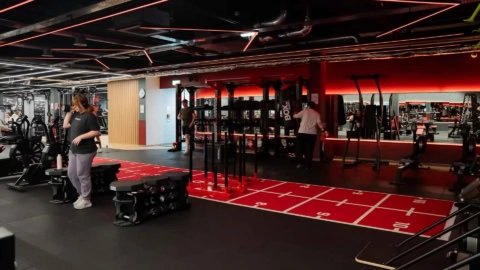
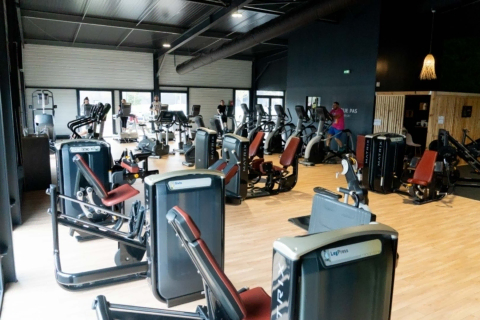
Full gyms with cardio, strength and free-weight areas, open around the clock through app or keycard entry, often with few staff on site at night. They need a large unit, heavy equipment and the biggest investment of any fitness format, and many networks look for operators able to open several sites.
Boutique studios
Small studios built around one discipline, such as reformer Pilates, indoor cycling, HIIT, boxing or yoga, selling class packs and memberships. Reformer Pilates studios are among the formats now offered as franchises. Studios need less space than a gym but a strong instructor team and a high class fill rate.
Technology-assisted studios
Short guided sessions using technology such as electrical muscle stimulation (EMS), delivered one to one or in very small groups. Units are compact and lightly staffed, with published investments from around £65,000.
Personal training and mobile fitness
Personal training studios, outdoor bootcamps and fitness classes delivered in community halls, parks and clients’ homes. They need little equipment, can often be run from home, and some can be started part time, as set out in the guide to part time franchises.
How much does a gym franchise cost in the UK?
There is no published average for the sector. Among franchisors that publish a figure, technology-assisted studios start at around £65,000 in total, while 24-hour gyms require between £650,000 and £1 million, with personal contributions of around £250,000 and initial fees of around £30,000. The main costs are the fit-out, equipment, access and security systems, pre-opening marketing and working capital until membership numbers build.
Ongoing costs include franchise fees, rent, staff, energy, equipment leases and business rates. Other sport and activity formats, from children’s clubs to sports leagues, are listed in the sports and leisure franchises section.
What to weigh up before opening
Pre-sales: most gyms sell memberships before opening, so the local catchment and the pre-sale campaign largely decide how quickly the site reaches breakeven.
Competition: low-cost chains have spread across most UK towns, so a new site needs a clear position on price, convenience, community or specialism.
Retention: members cancel easily, so classes, coaching and community events that keep them engaged matter as much as new sign-ups.
Rules that apply to a gym franchise in the UK
Planning: in England, gyms and fitness studios fall within the commercial Use Class E, but 24-hour opening, noise from classes and parking can still lead to conditions from the council.
Qualifications and safety: instructors and personal trainers are expected to hold recognised fitness qualifications and first aid training, and gyms need risk assessments, member health screening and public liability insurance.
Music and contracts: playing music in classes and on the gym floor requires a music licence, and membership contracts must follow consumer law on fair terms and cancellation.