


Open a Coffee Franchise
Coffee Franchises Listing
Reset filters
filter
Personal Contribution
- < £5 000
- £5 000 - £10 000
- £10 000 - £25 000
- £25 000 - £50 000
- > £50 000
Deselect
Sort By
- Most recent sign
- Oldest franchise
- Lowest personal contribution
- Largest personal contribution






Questions about coffee franchises
What is the cheapest coffee franchise to open?
A mobile coffee van is the lowest-cost entry point. Published figures start at around £10,000 to £15,000 of personal contribution, with total investments of around £40,000 including the vehicle and equipment.
How much does it cost to open a coffee franchise in the UK?
There is no sector average. Among franchisors that publish a figure, the total investment runs from around £40,000 for a coffee van to £270,000 to £350,000 for a coffee shop or dessert café. Drive-thru sites sit above that, and are mostly developed by multi-site operators.
Can I open a coffee shop franchise with £50,000?
Not usually. Coffee shop franchises typically ask for a personal contribution of around £85,000 to £100,000, with the rest funded by borrowing. A budget of £50,000 is closer to the cost of a coffee van franchise.
What types of coffee franchise are there in the UK?
There are five main formats: high street coffee shops, kiosks and concessions in stations and shopping centres, roadside drive-thrus, mobile coffee vans, and dessert or bakery cafés. Each needs a different site, team and budget.
What fees does a coffee franchise charge?
Most charge an initial franchise fee, typically between £10,000 and £50,000, then ongoing fees on turnover and a marketing levy. Rent, staff, coffee, milk and business rates come on top.
Can anyone open a coffee franchise?
Not always. Many large coffee chains franchise only to multi-site operators that already run forecourts, travel hubs or other franchised restaurants. Smaller coffee shop brands and mobile coffee franchises recruit individual owner-operators.
What licences does a coffee shop need in the UK?
A coffee shop or coffee van registers as a food business with its local authority at least 28 days before trading, then receives a food hygiene inspection. In England and Wales, a premises licence is needed to serve hot drinks or food between 11pm and 5am.
How big is the UK coffee shop market?
The UK branded coffee shop market is worth around £6.8 billion across more than 12,300 outlets, according to industry research, with independent coffee shops adding more than 13,000 further outlets. It is forecast to reach around 14,000 branded outlets within five years.
Coffee franchises in the UK: formats, costs and rules
A coffee franchise lets an operator open a coffee shop, kiosk or coffee van under an established brand, with its coffee supply, equipment and training in place. In the UK, budgets run from around £40,000 for a van to £270,000 and more for a high street coffee shop, and the format decides the site, the team and the hours far more than the coffee itself.
The UK coffee shop market
According to industry research by World Coffee Portal, the UK branded coffee shop market is worth around £6.8 billion and counts more than 12,300 outlets, after growing 3.5% in its latest annual survey, and forecasts around 14,000 outlets and £9 billion within five years. Growth is led by iced drinks, matcha, specialty coffee and drive-thru sites.
How a coffee franchise works
The franchisee pays an initial fee, then ongoing fees on turnover, in exchange for the coffee supply, equipment, barista training and national marketing. Many large coffee chains franchise only to multi-site operators that already run forecourts, travel hubs or other franchised restaurants, while smaller and mobile brands recruit individual owner-operators.
Coffee franchise opportunities in the UK, by format
High street coffee shops
A seated café serving espresso drinks, iced beverages, pastries and light food, typically on high streets, in town centres and on retail parks. Trade peaks with the morning commute and at lunchtime, and the format needs the largest team and, after drive-thrus, the highest fit-out cost.
Kiosks and concessions
Compact counters in train stations, shopping centres, hospitals, universities and offices, with little or no seating. The unit is cheaper to fit out, but rent is often linked to turnover and set by the landlord or site operator, and sales depend on very high footfall at fixed times of day.
Drive-thru coffee
Standalone roadside units with a drive-thru lane, one of the fastest-growing UK formats. They need a visible, accessible site, planning permission and the biggest investment of any coffee format, so they are mostly developed by multi-site operators.
Mobile coffee vans
A converted van serving espresso drinks at workplaces, industrial estates, events and markets. It is the lowest-cost entry point into coffee franchising: published figures start at around £10,000 to £15,000 of personal contribution, with total investments around £40,000 including the vehicle. The franchisee often works alone on a regular route, and vans are also covered in the guide to low cost franchises in the UK.
Dessert and bakery cafés
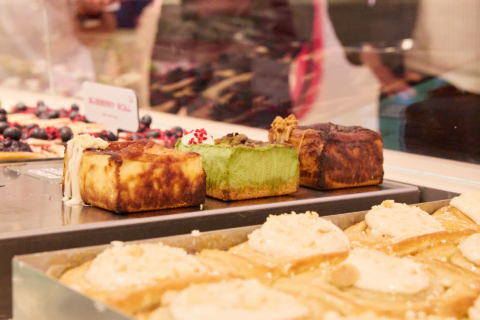
Cafés where coffee sits alongside a strong sweet or bakery offer, from waffles and gelato to fresh pastries, with trade stretching into the afternoon and evening. These formats overlap with the bakery and pastry franchises section.
How much does a coffee franchise cost in the UK?
There is no published average for the sector. Among franchisors that publish a figure, the total investment runs from around £40,000 for a coffee van to £270,000 to £350,000 for a coffee shop or dessert café, with personal contributions of around £85,000 to £100,000 for a shop. Initial franchise fees range from about £10,000 to £50,000. The largest costs in a shop are the fit-out, the espresso machine, refrigeration and seating.
Ongoing costs include fees on sales, a marketing levy, staff, rent, coffee and milk, and business rates. In England, retail and hospitality properties pay a multiplier of 38.2p where the rateable value is below £51,000, and 43.0p up to £499,999. Opening an independent café follows a different budget, set out in the guide to how to open a coffee shop in the UK.
What to weigh up before opening
Site and timing of trade: coffee sales are concentrated in a few hours of the day, so morning footfall and nearby competition matter more than the size of the unit.
Margins and input costs: green coffee prices and wages have both risen sharply in recent years, and the price of a cup leaves limited room to absorb them.
Rules that apply to a coffee franchise in the UK
Food business registration: according to gov.uk, a new food business, including a coffee van, registers with its local authority at least 28 days before trading, then receives a food hygiene inspection.
Allergen labelling: sandwiches and cakes prepacked on site for direct sale must carry a full ingredients list with the 14 regulated allergens emphasised.
Licences: in England and Wales, a premises licence is needed to serve hot drinks or food between 11pm and 5am, outdoor tables on the pavement need permission from the council, and playing recorded music in public generally requires a music licence.