


Open a Beauty salons Franchise
Beauty salons Franchises Listing
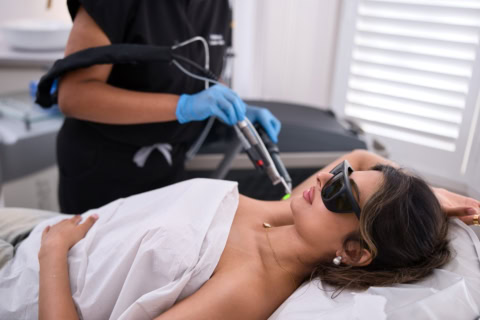
Nails, brows, lashes, waxing and facials keep beauty salons busy all year round. Our beauty salon franchises range from nail and brow bars to full-service salons and laser clinics, with treatment protocols and training supplied by the brand. Compare the beauty salon brands recruiting in the UK and their investment levels.
Reset filters
filter
Personal Contribution
- < £5 000
- £5 000 - £10 000
- £10 000 - £25 000
- £25 000 - £50 000
- > £50 000
Deselect
Sort By
- Most recent sign
- Oldest franchise
- Lowest personal contribution
- Largest personal contribution




Questions about beauty salon franchises
How much does it cost to open a beauty salon franchise in the UK?
It depends on the format: a nail or brow bar needs far less than a salon with several treatment rooms or a laser clinic with specialist machines. The total covers the franchise fee, training, fit-out, equipment, stock, the lease and working capital. Each listing on this page shows the personal contribution required.
Do I need to be a beauty therapist to open a salon franchise?
Not necessarily. Some brands look for qualified therapists who will treat clients, while others recruit owners who manage a team. Therapists themselves need recognised qualifications, such as NVQs in beauty therapy, and the franchisor’s own training.
Does a beauty salon need a licence?
In many London boroughs, a special treatment licence is needed for massage, manicure and similar treatments. In Wales, electrolysis and some other procedures need a special procedure licence, and councils elsewhere can require registration for skin piercing. Check with your local authority before opening.
What insurance does a beauty salon need?
You need treatment liability and public liability insurance, plus employers’ liability insurance if you employ staff. Laser and advanced treatments usually need specialist cover, and the franchisor may arrange a network policy.
What treatments are most popular in beauty salon franchises?
Nails, brows, lashes, waxing and facials bring frequent repeat visits, while laser hair removal and skin treatments are sold as courses with a higher spend. Many salons also sell a professional skincare range to add retail income.
How long does it take for a beauty salon to become profitable?
There is no standard answer: it depends on the format, the location and how fast the appointment diary fills. Ask existing franchisees how long their salon took to break even and what rebooking rates they achieve.
How do I choose the right beauty salon franchise?
Compare formats against your budget and role, visit salons in the network, test treatments, speak to franchisees about therapist recruitment and client retention, and check whether the brand is a member of the British Franchise Association.
Beauty salons, nail bars and brow and lash studios are among the fastest-growing types of business on the British high street. The National Hair & Beauty Federation reports that while traditional hair-only salons are declining, the number of beauty salons and nail bars keeps rising, and barbershops, beauty salons and nail salons have all featured among the most popular business start-ups in recent years. The reason is simple: these treatments are booked again and again.
Where the demand comes from
A regular client might book gel nails every three weeks, brows every five, a lash lift every six to eight and a facial once a month. Once she is happy with a salon, she rarely moves. Laser hair removal and skin treatments work differently: they are sold as courses of several sessions, often paid upfront, which brings a much higher spend per client. Many successful salons combine the two, using quick treatments to fill the diary and courses to raise the average ticket.
A week in a franchised salon
- Monday and Tuesday are usually quieter, used for training, stock orders and promoting offers to fill the gaps.
- From Wednesday to Friday, the diary fills with after-work appointments and regular clients.
- Saturday is the peak, often fully booked days in advance.
- Throughout the week, every client is offered their next appointment before leaving, which is the habit that keeps the business steady.
Costs and requirements to expect
- Fit-out of treatment rooms, with water, ventilation and good lighting.
- Equipment, which ranges from modest for nails and brows to significant for laser machines.
- Qualified therapists, often the slowest part of opening, which is why brands with their own training academy have an advantage.
- Insurance, consultation forms and patch tests, for example 48 hours before a lash or brow tint.
- In many London boroughs, a special treatment licence for treatments such as massage and manicure.
The sector is not immune to cost pressures. An NHBF survey in April 2025 found that around one in five salons was making a loss, mainly because of rising wages and energy bills. That makes pricing, staff scheduling and rebooking rates the numbers to track from the first week.
Choosing your salon concept
To go further, read our guides on how to open a beauty salon in the UK and how to open a nail salon.
Decide first whether you want to treat clients yourself or manage a team, and which treatments you want to build the business around. Then book treatments as a normal customer in two or three salons from each network. If hair and grooming are closer to what you have in mind, take a look at the barbershop franchises, or browse the wider beauty and wellbeing franchises.