
A beauty salon in the UK needs no national licence, but what it offers decides what it needs: microblading needs a personal licence in Wales, some London boroughs license massage and other treatments, and on 21 October 2026 the government proposed restricting a list of high-risk treatments in England to doctors, dentists and prescribing nurses. The commercial test is what each treatment earns per therapist hour.
The rules below are those of England unless stated, with Wales, Scotland and London flagged where they differ. Prices come from 2026 town price guides and published salon lists; fees come from councils and GOV.UK; business figures come from salons offered for sale.
What is a beauty salon business?
A beauty salon business sells treatments by appointment from treatment rooms: waxing, brows and lashes, facials, massage, nails and tanning, and in some salons laser hair removal or skin treatments. Its capacity is therapist hours, not floor space, so what it earns depends on which treatments fill those hours, how many are booked, and whether the person doing the treatments is the owner or an employee. Hair and nail services follow their own rules and economics, covered in the guides to opening a hair salon, a nail salon and a barbershop.
How to open a beauty salon in the UK, step by step
The checklist, in the order openings usually run:
- Treatment menu chosen by what each treatment earns per hour
- Licences checked for each treatment, in the right nation and borough
- Treatments under review in the 2026 consultation kept off the core menu
- Premises found with enough treatment rooms, on a lease that fits
- Insurance arranged with treatment risk cover
- Patch tests, consultation forms and records built into every booking
- Therapists employed or renting rooms, with status and right to work checked
- VAT planned before the second therapist starts
- Online booking with deposits for long appointments
- Prices set against local salons and training college salons
1. Build the menu around what each treatment earns per hour
A salon sells therapist time, so the useful comparison is not the price of a treatment but what it earns per hour of that time. Using the price ranges and treatment times published for Watford in 2026:
| Treatment | Price range | Typical time | Earned per therapist hour, at the middle of the range |
|---|---|---|---|
| Full leg wax | £28 to £45 | 20 to 30 minutes | About £88 |
| Advanced facial | £65 to £95 | 45 to 60 minutes | About £91 |
| Eyelash extensions, full set | £70 to £120 | 90 to 120 minutes | About £54 |
| Brow threading or tint | £8 to £15 | 10 to 20 minutes | About £46 |
Source: 2026 beauty price guide for Watford, including treatment times; hourly figures calculated by L’Express Franchise, before product costs.
A full set of lash extensions has the highest price on the list but one of the lowest hourly rates, because it takes up to two hours. Waxing and facials fill a diary more profitably, and short treatments such as brow tints work best as add-ons to a longer booking. Prices vary by town: the same 2026 guides put a full leg wax at £20 to £35 in Bury and £35 to £55 in Maidenhead, and a full lash set at £80 to £150.
2. Check which treatments need a licence, and where
No single licence covers a beauty salon. The requirement follows the treatment and the place:
- London: boroughs operating the London Local Authorities Act 1991 require a special treatment licence for treatments such as massage, manicure, electrolysis and some beauty treatments, renewed every year; Tower Hamlets charges £700 a year, or £900 where laser or IPL is offered, Haringey charges £698 plus £508 for each additional therapist for its highest class of treatments, and Hounslow charges £957 plus a £158 application fee for laser and IPL in 2026/27
- England outside London: councils that have adopted the Local Government (Miscellaneous Provisions) Act 1982 require registration for electrolysis, tattooing, semi-permanent make-up and skin piercing, for both the practitioner and the premises
- Wales: since 29 November 2024, every practitioner doing electrolysis, tattooing (including semi-permanent make-up and microblading), body piercing (including ear piercing) or acupuncture needs a personal licence, and the premises need an approval certificate; fees published by Swansea Council put the three-year practitioner licence at £159 plus a £44 compliance fee, and the premises certificate at £244 plus £141
- Scotland: skin piercing and tattooing, which includes semi-permanent make-up, are licensed by councils under the Civic Government (Scotland) Act 1982
- Sunbeds: a salon with a sunbed cannot allow anyone under 18 to use it, under the Sunbeds (Regulation) Act 2010
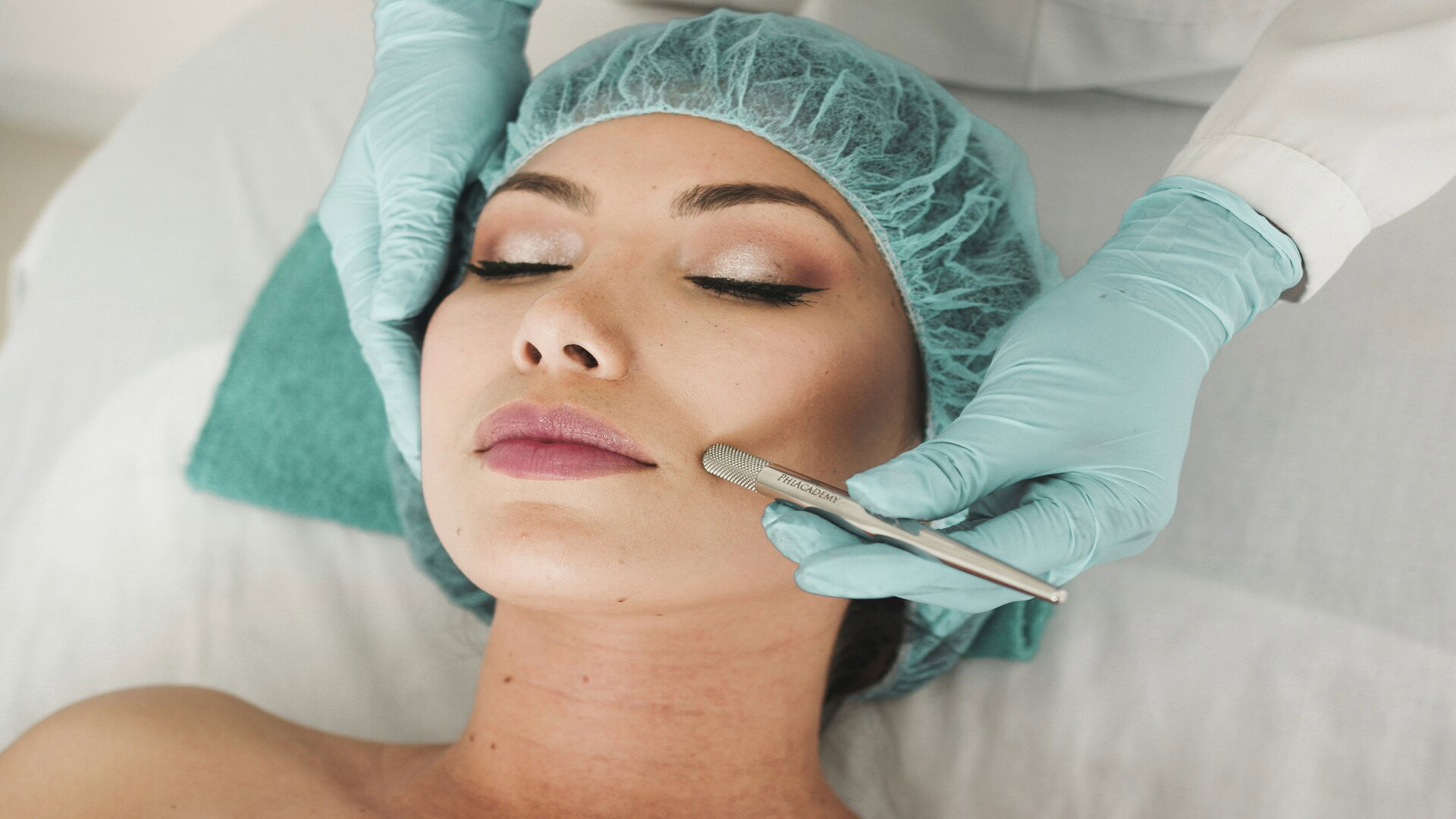
3. Keep high-risk treatments off the core menu
On 21 October 2026, a consultation published by the Department of Health and Social Care proposed that a list of high-risk cosmetic and wellbeing procedures in England be performed only by doctors, dentists and independent prescribing nurses, midwives and pharmacists, working for providers registered with the Care Quality Commission. The consultation closes on 13 January 2027. The proposed list includes:
- Deep chemical peels that go below the dermal-epidermal junction
- Intravenous drips for cosmetic or wellbeing purposes
- Lasers that remove layers of skin, and laser or intense pulsed light on the eyelid or around the eye
- Non-resorbable facial fillers, blood-derived treatments such as PRP, dermal microcoring and subcision
- Fillers anywhere on the body other than the face, treated as cosmetic surgery for doctors only
Providers offering these treatments without registration would face a fine of any amount, up to 12 months in prison, or both, and the draft regulations set fixed penalties of £4,000 for providers and £2,000 for registered managers. Botox and dermal fillers are already banned for under-18s in England under the Botulinum Toxin and Cosmetic Fillers (Children) Act 2021, and the government has said a licensing scheme for lower-risk “high street” treatments will follow. A new salon that builds its income on treatments in this list is building on a menu that may soon be closed to it.
4. Find premises with enough treatment rooms
Each therapist needs a room, so the number of treatment rooms caps the salon’s income more than the size of the shop. Beauty salons offered for sale show the range of rents and terms:
- Rent: from about £866 a month for a three-room salon to £19,000 a year for a three-room nail and beauty salon near London, and £37,600 a year for a large salon with several treatment rooms
- Rent reviews: one lease sets a fixed review from £11,000 to £12,000 a year, a known increase that can be budgeted from day one
- Deposits: one newly established salon in London asks for a six-month rent deposit of £11,000 on top of the sale price
- A cheaper start: renting a single treatment room in an existing business; one gym offered for sale lets a beauty room for £350 a month
5. Insure with treatment risk cover
Public liability alone does not cover a reaction or injury caused by a treatment, which is what treatment risk cover is for. One broker’s own 2026 figures give the range:
- Lowest: 10% of beauty therapists paid £66.91 a year or less for £2 million of public liability
- Therapist renting a room: an example quote of £135.28 a year
- Small salon, owner only: £208.86 a year; with two employees, as a limited company, £464.52 a year
- Claims: the same broker published a payout of £5,459 for severe burns after a waxing treatment
- Injectables: Botox and fillers need specialist medical malpractice cover, not a standard beauty policy
6. Build patch tests and records into every booking
Tints, lash lifts, brow lamination and lash extensions carry a risk of allergic reaction, so salons require a patch test before the first treatment. College training salons publishing their 2026 price lists require it at least 24 to 48 hours beforehand, and one asks for a new test where the last treatment was more than six months earlier. A consultation form with medical history, a signed record of each patch test and notes of every treatment are the evidence an insurer asks for when a claim arrives, and the booking system schedules the patch test as its own short appointment.
7. Decide between employed therapists and room renters
- Employed therapists: the salon sets hours, prices and treatments, pays at least the £12.71 National Living Wage from 1 April 2026, and keeps the takings
- Room renters: a self-employed therapist pays rent for a room and serves their own clients at their own prices; HMRC judges status from how the work is done, not from the contract
- Right to work: from 1 October 2026 the Home Office scheme covers workers and individual subcontractors the salon pays, as well as employees, with penalties of up to £45,000 per worker for a first breach
- Qualifications: none is required by law for most treatments, but insurers expect recognised qualifications for each treatment offered, and the licensing schemes above set their own training requirements
8. Plan VAT before the second therapist starts
VAT registration is compulsory once taxable turnover passes £90,000 a year. One therapist booked for 60% of a 35-hour week at an average £55 an hour turns over about £60,000 a year, under the threshold. A second therapist on the same pattern takes the salon to about £120,000, over it, and from then on a sixth of every treatment price goes to HMRC unless prices rise. The second room is the decision point: either prices are set with VAT in mind before it opens, or the extra therapist is a room renter running their own business.
9. Take bookings online, with deposits
Beauty salons offered for sale list their online booking system, their social media pages and their review scores among the assets being sold, and one highlights a 4.8 out of 5 rating on a booking platform. A deposit on long appointments such as a full lash set or an advanced facial protects the most valuable slots from no-shows, and an online diary lets patch tests, rebookings and reminders run without a receptionist.
10. Price against local salons and training colleges
College training salons sell treatments by students at a fraction of commercial prices: published 2026 lists show a full leg wax at £10 to £16 and lash extensions at £15 to £18. A new salon does not compete with those prices; it competes on qualified therapists, availability at the times clients want, and consistent results, and it prices against other commercial salons in the same town.

Types of beauty salon business
| Model | How it works |
|---|---|
| Treatment room salon | Waxing, brows, lashes, facials and massage by appointment, the classic model |
| Beauty and nail salon | Treatment rooms plus nail stations, with nail clients filling short slots |
| Hair and beauty salon | Styling chairs at the front, treatment rooms at the back |
| Skin and laser clinic | Facials, skin treatments and laser hair removal, with higher equipment costs and closer regulation |
| Mobile or home-based therapist | No premises, a registered home room or visits to clients, the lowest start-up cost |
| Franchise | A brand, training and treatment systems, against fees set in the agreement |
L’Express Franchise, October 2026.
How much does it cost to open a beauty salon?
No official UK average start-up cost exists. The published lines that apply:
| Cost line | Published figure |
|---|---|
| Beauty insurance, public liability | From £66.91 a year for the cheapest 10% of therapists |
| Beauty salon insurance, two employees | £464.52 a year, example quote |
| Special treatment licence, London examples | £700 a year in Tower Hamlets, £900 with laser or IPL; £698 plus £508 per additional therapist in Haringey |
| Special procedures licence, Wales, three years | £159 plus £44 per practitioner; £244 plus £141 per premises |
| Staff | £12.71 an hour at 21 and over from 1 April 2026 |
| Rent, three-room salons offered for sale | About £10,400 to £19,000 a year |
Sources: insurer data, 2026; council fee pages; GOV.UK; business-for-sale listings.
Equipping a treatment room
Published prices from UK salon equipment suppliers show what one treatment room costs to fit out, excluding VAT:
| Item | Published price, excluding VAT |
|---|---|
| Treatment couch | £229 fixed height; £379 hydraulic; £599 to £645 electric; £1,125 to £1,195 British-made electric |
| Wax heater | £29.95 single digital; £62.95 to £88.95 twin |
| Facial steamer | £99 with a magnifying lamp; £149 to £179 for an ozone steamer |
| Trolley | £79 to £145 |
| UV sterilisation cabinet | £99 |
| Therapist stool | £49 |
| One room, fitted | About £770 with a hydraulic couch to about £1,750 with a British-made electric couch |
Sources: UK salon equipment supplier price lists, consulted October 2026.
A salon below the VAT threshold cannot reclaim the 20% VAT on that equipment, so a three-room fit-out at the middle of the range costs about £3,000 plus VAT of about £600 that stays a cost. A salon that will cross the threshold within its first years can reclaim VAT on equipment it still holds when it registers, under HMRC’s rules on goods bought up to four years before registration.
What beauty salons sell for
| Salon for sale | Reported figures | Asking price |
|---|---|---|
| Owner-operated hair, beauty and aesthetics salon, trading since 1999 | Turnover £61,518; net profit £28,572 | £30,000 |
| Hands-off beauty salon with four treatment rooms and a tanning room | Turnover £105,721; net profit £5,583 | £65,000 |
| Newly established beauty salon with three beauty rooms, London | Turnover about £85,000 | £37,000, plus a six-month rent deposit of £11,000 |
| Beauty salon with three treatment rooms | Turnover about £103,000 (2022); rent £866 a month | £72,500 |
Business-for-sale listings; figures are the sellers’, not audited.
The first two lines show the difference the owner’s own hours make. The owner-operated salon turns over less than two-thirds as much but keeps about five times the profit, because the salon run entirely by staff pays wages for every treatment hour it sells.
Beauty salon franchise opportunities in the UK
Franchising in the UK has no franchise statute or disclosure law, as set out in what a franchise is. Beauty franchises listed under beauty salon franchises publish these figures on their listings:
- Laser Skin: liquid capital of £25,000, total investment of £50,000 and an initial fee of £20,000, with 14 sites
- Myotec: liquid capital of £18,000, total investment of £80,000 and an initial fee of £18,000
- Mooeys: liquid capital of £24,000 and an initial fee of £24,995
- Guinot and Laser Clinics: listed without published figures

LASER SKIN™
Medical-Grade Laser Clinics
- Beauty – Wellbeing
- 13 Locations
- Liquid capital: £25000


MyoTec
Muscle electrostimulation
- Beauty – Wellbeing
- 40 locations
- Liquid capital: £18000


Guinot
Open your own Guinot salon
- Beauty – Wellbeing
- Liquid capital: £
Mooeys
The beauty salon with soul
- Beauty – Wellbeing
- Liquid capital: £24000
For a laser franchise, the October 2026 consultation is part of the due diligence: laser hair removal on the body is not on the proposed high-risk list, but laser and intense pulsed light on the eyelid or around the eye, and lasers that remove layers of skin, are.
Editor’s tip
Before buying a beauty salon, ask who does the treatments that produce the turnover. A salon where the owner does most of the treatments loses that income when the owner leaves, and a salon run entirely by staff can turn over £100,000 and still make almost nothing. Check also whether lasers and other machines are included in the price or on finance, since one salon offered for sale excluded its laser from the asking price.
The practical difficulties operators report
- Hours, not floor space, set the ceiling: each treatment room earns only while a therapist is booked in it
- Long treatments earn less per hour: a full lash set takes up to two hours for less per hour than a wax or a facial
- Regulation is moving: high-risk treatments are heading towards medical-only status in England, with licensing of other treatments to follow
- Licences differ by place: London boroughs, English councils, Wales and Scotland each license different treatments
- The VAT step: a second busy therapist can take a salon past £90,000, after which a sixth of every price goes to HMRC
- Reactions and burns: patch tests, records and treatment risk cover are what protect the business when a client reacts
The bottom line
Opening a beauty salon in the UK needs no national licence, but each treatment brings its own rules: special treatment licences in London, council registration for electrolysis and semi-permanent make-up in England, personal licences in Wales, and a proposed medical-only list in England for the highest-risk treatments, under consultation until 13 January 2027.
Commercially, the menu decides the income: an advanced facial or a leg wax earns about £88 to £91 per therapist hour at mid-range Watford prices, a full lash set about £54, and a second busy therapist takes a salon over the VAT threshold.
Frequently asked questions about opening a beauty salon in the UK
There is no national licence. London boroughs operating the London Local Authorities Act 1991 require a special treatment licence; English councils can require registration for electrolysis, semi-permanent make-up and skin piercing; Wales requires personal licences for electrolysis, tattooing including microblading, piercing and acupuncture; and Scottish councils license skin piercing and tattooing.
Botox and fillers are banned for under-18s in England. A 2026 government consultation proposes restricting the highest-risk procedures, including non-resorbable facial fillers and fillers outside the face, to doctors, dentists and independent prescribing nurses, midwives and pharmacists at CQC-registered providers, with licensing of other treatments to follow.
Per therapist hour, at mid-range 2026 Watford prices, an advanced facial earns about £91 and a full leg wax about £88, against about £54 for a full set of lash extensions, which takes up to two hours.
One broker’s 2026 figures show 10% of beauty therapists paying £66.91 a year or less for public liability, £208.86 a year for a small salon run by its owner, and £464.52 a year for a salon with two employees. Treatment risk cover is what pays for reactions and burns.
Salons require a patch test before tints, lash lifts, brow lamination and lash extensions, usually at least 24 to 48 hours beforehand, and repeat it where the last treatment was months earlier. A signed record of each test is what an insurer asks for after a reaction.
Rents vary widely. One gym offered for sale lets a beauty room for £350 a month, while whole three-room beauty salons offered for sale pay from about £10,400 to £19,000 a year.
In Wales, yes: microblading counts as tattooing, which needs a personal special procedures licence and an approved premises certificate. In England, councils that have adopted the 1982 Act require registration for semi-permanent make-up, and London boroughs set their own rules.
Once taxable turnover passes £90,000 a year. One therapist booked for 60% of a 35-hour week at £55 an hour turns over about £60,000; a second therapist on the same pattern takes the salon to about £120,000.
For most treatments, no qualification is required by law, but insurers expect recognised qualifications for each treatment offered, and the licensing schemes in London, Wales and some English councils set their own training requirements.
Beauty franchises listed on L’Express Franchise include Laser Skin, with £25,000 of liquid capital and £50,000 total investment; Myotec, with £18,000 and £80,000; and Mooeys, with £24,000 and a £24,995 fee; Guinot and Laser Clinics do not publish figures on their listings.