


Open a Cleaning service Franchise
Cleaning service Franchises Listing
Homes, offices, schools and rental properties need cleaning every week of the year. Our cleaning franchises cover domestic, commercial, carpet, oven and specialist cleaning, with low start-up costs and recurring clients. Compare the cleaning brands recruiting in the UK and choose between running a team or working on the tools.
Reset filters
filter
Personal Contribution
- < £5 000
- £5 000 - £10 000
- £10 000 - £25 000
- £25 000 - £50 000
- > £50 000
Deselect
Sort By
- Most recent sign
- Oldest franchise
- Lowest personal contribution
- Largest personal contribution






Questions about cleaning franchises
How much does a cleaning franchise cost?
Cleaning franchises are among the most affordable in the UK, as most run from home with a van or small office. The total covers the franchise fee, training, equipment, products, marketing and working capital. Each listing on this page shows the personal contribution required.
Do I need cleaning experience to buy a cleaning franchise?
No. Franchisors train you in their methods, products and business systems. Many franchisees manage a team rather than clean themselves, so organisation and people skills matter most.
Is domestic or commercial cleaning more profitable?
Commercial cleaning usually brings larger monthly contracts and work outside business hours, while domestic cleaning gives many smaller regular clients. Many franchisees combine both or add specialist services.
What insurance does a cleaning business need?
Public liability insurance is essential, plus employers liability insurance if you employ staff. Cover for keys and clients’ property is also advisable, and many franchisors arrange a network policy.
What health and safety rules apply to cleaning?
Cleaning chemicals fall under COSHH, which requires risk assessments, safe storage and staff training. Work at height, such as window cleaning, needs suitable equipment and procedures.
How do I choose the right cleaning franchise?
Choose the type of cleaning that suits you, then compare support, territory, pricing and recruitment help. Speak to existing franchisees and check whether the brand is a member of the British Franchise Association.
Cleaning is one of the few services that every home, office, shop, school and surgery needs every single week. Britain has around 28 million households and some 5.5 million businesses, and a growing share of them pay someone else to do the cleaning, whether because of busy working lives, an ageing population or simply higher expectations at work. For a franchisee, that means a large market built on regular, recurring bookings.
Why cleaning is a popular first franchise
- Low start-up costs. Most cleaning franchises are run from home with a van or a small office, with no shop or restaurant to fit out.
- Recurring income. Weekly domestic clients and monthly commercial contracts create predictable turnover.
- No previous experience needed. Networks train franchisees in their methods, products and business systems.
- Room to grow. Many owners start by cleaning themselves, then build a team and focus on winning contracts.
Which kind of cleaning?
Domestic cleaning means regular visits to homes, usually weekly or fortnightly, by a team managed by the franchisee. Clients often stay for years once they find someone they trust.
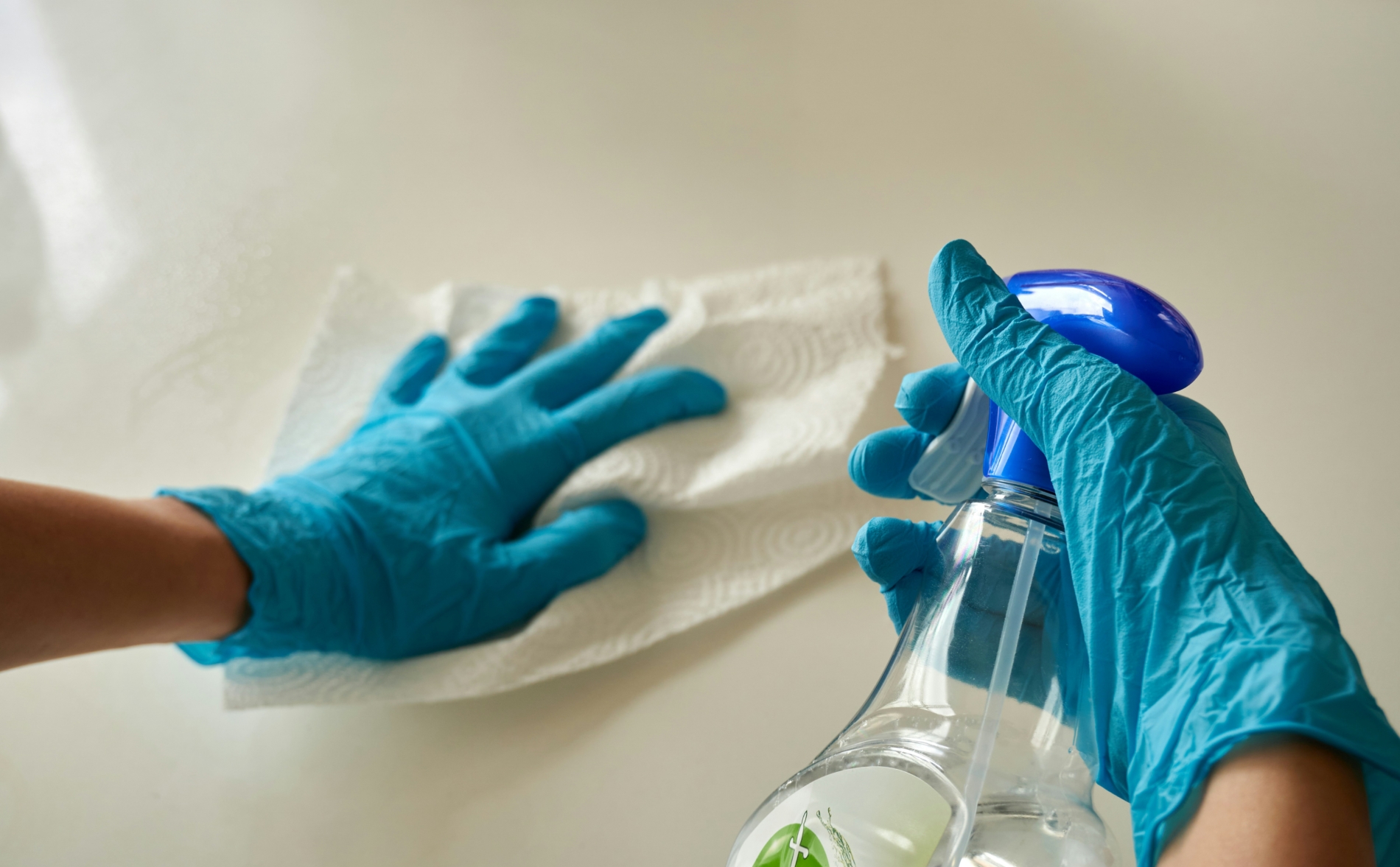
Commercial cleaning covers offices, shops, gyms, schools and medical premises, usually outside business hours and on monthly contracts.
Specialist cleaning includes carpets and upholstery, ovens, end-of-tenancy deep cleans, windows and exteriors. Jobs are less frequent but carry higher prices.
The realities of the job
The main challenge in cleaning is people. Recruiting reliable cleaners, paying them fairly and keeping them is what separates franchises that grow from those that stay small. Employed cleaners must be paid at least the National Living Wage, including travel time between jobs where it counts as working time. Cleaning chemicals fall under COSHH rules on safe storage and use, and public liability insurance is essential. Many clients hand over keys and alarm codes, so careful key-holding procedures and background checks help build trust.
The good news is that a well-run cleaning business is very stable. Clients rarely cancel a cleaner they are happy with, and every satisfied customer tends to bring a referral.
Getting started
Our guide on how to start a cleaning business compares domestic and commercial cleaning in more detail, with advice on pricing and staff.
Decide whether you want to clean yourself or manage a team, and whether homes or businesses appeal more. Then speak to several franchisees about how quickly they built their client base and how they recruit staff. Cleaning sits close to other home services, so it is worth looking at the property maintenance franchises and the gardening and landscaping franchises too.