
A record 12.2 million people aged 16 and over belong to a UK health and fitness club, 18% of that population, according to ukactive’s UK Health & Fitness Market Report 2026. The low-cost chains set the price: The Gym Group’s headline membership was £26.91 a month in 2026. An independent gym charging about that needs roughly 260 members to cover the costs of a typical unit, and crosses the VAT threshold at about 290.
No licence is needed to open a gym in the UK; what decides the business is the membership count against a cost base that is mostly fixed. The rules below are those of England unless stated, and figures come from audited chain results, current listings and published prices.
What is a gym business?
A gym business sells access to equipment, space and sometimes classes or coaching, usually on a monthly direct debit. Rent, equipment, energy and staffed hours are fixed each month, while income depends on how many members pay and how long they stay, so the membership count and the price set against the chains nearby decide the result.

How to open a gym in the UK, step by step
The checklist, in the order openings usually run:
- Model and price chosen against the nearest chains
- Catchment counted: homes, workplaces and competing gyms within a short drive
- Site found with the floor loading, ceiling height, parking and planning use a gym needs
- Equipment bought new, refurbished or on finance
- Structure set up and the VAT position planned before the threshold
- Staffed and unstaffed hours decided, with access control and a risk assessment
- Instructors and personal trainers in place, with qualifications, insurance and right to work
- Music licence, health and safety and membership terms in order
- Memberships priced and sold before opening
- Members, cancellations and visits tracked every month


Bodystreet
EMS personal training studios
- Gym – Fitness
- 12 Locations
- Liquid capital: £10000

Snap Fitness
Global gym franchise
- Gym – Fitness
- 135 Locations
- Liquid capital: £250000


MyoTec
Muscle electrostimulation
- Sports – Leisure
- 40 locations
- Liquid capital: £18000


One Fitness Club
Fitness Club
- Sports – Leisure
- 14 locations
- Liquid capital: £350000

WAKE UP FORM
Sports club
- Sports – Leisure
- 20 locations
- Liquid capital: £75000
1. Choose the model and the price
The low-cost chains have fixed what most people expect to pay. The Gym Group, the listed low-cost operator, reported average income of £21.60 per member per month in 2025 across about 260 gyms, and raised its standard headline rate to £26.91 a month in 2026. Its scale is the point: about 945,000 average members across those sites works out at roughly 3,600 members per gym. Independent gyms offered for sale report similar income per member, but on hundreds of members rather than thousands:
| Gym | Members | Approximate income per member per month |
|---|---|---|
| The Gym Group, average 2025 | About 3,600 per site | £21.60 |
| Independent gym, 3,700 sq ft | 250 | About £26 |
| Long-established independent gym | About 150 | About £23 |
Sources: The Gym Group 2025 full year results and 2026 interim results; business-for-sale listings. Independent figures are the sellers’, not audited.
An independent therefore wins on something the chains do not offer, such as coaching, a strength floor, classes, a quieter space or a community, and prices accordingly. The models are a low-cost 24/7 gym, a strength or performance gym, a boutique studio running classes, a personal training studio, and a community gym with a mix of all of them.
2. Count the catchment and the competition
Most members choose a gym close to home or work, so the catchment is the homes and workplaces within a short drive or walk, and the competition is every chain and independent within the same radius. Opening hours follow the catchment: a residential area fills before and after work and at weekends, an office area at lunchtime and straight after work.
3. Find a site that can take a gym
- Planning: indoor sport and fitness sits in Use Class E(d) in England, so a move from another Class E use, such as a shop, does not need permission for the change of use
- Floor loading and noise: dropped weights and heavy racks need a ground floor or a structural engineer’s sign-off on an upper floor, plus rubber flooring; noise and vibration through party walls are the most common complaint from neighbours
- Ceiling height and parking: overhead lifts, rigs and some cardio need height, and members arriving by car need spaces, which is why gyms in industrial units and retail parks are common
- Space to sublet: a spare room let to a beauty therapist, physiotherapist or massage therapist adds income; one long-established gym offered for sale lets a beauty room for £350 a month
- Lease terms: a rent-free period while the gym fills, a stepped rent, and a break clause matter more for a gym than most businesses, because membership builds over months, not weeks
4. Equip the gym new, refurbished or on finance
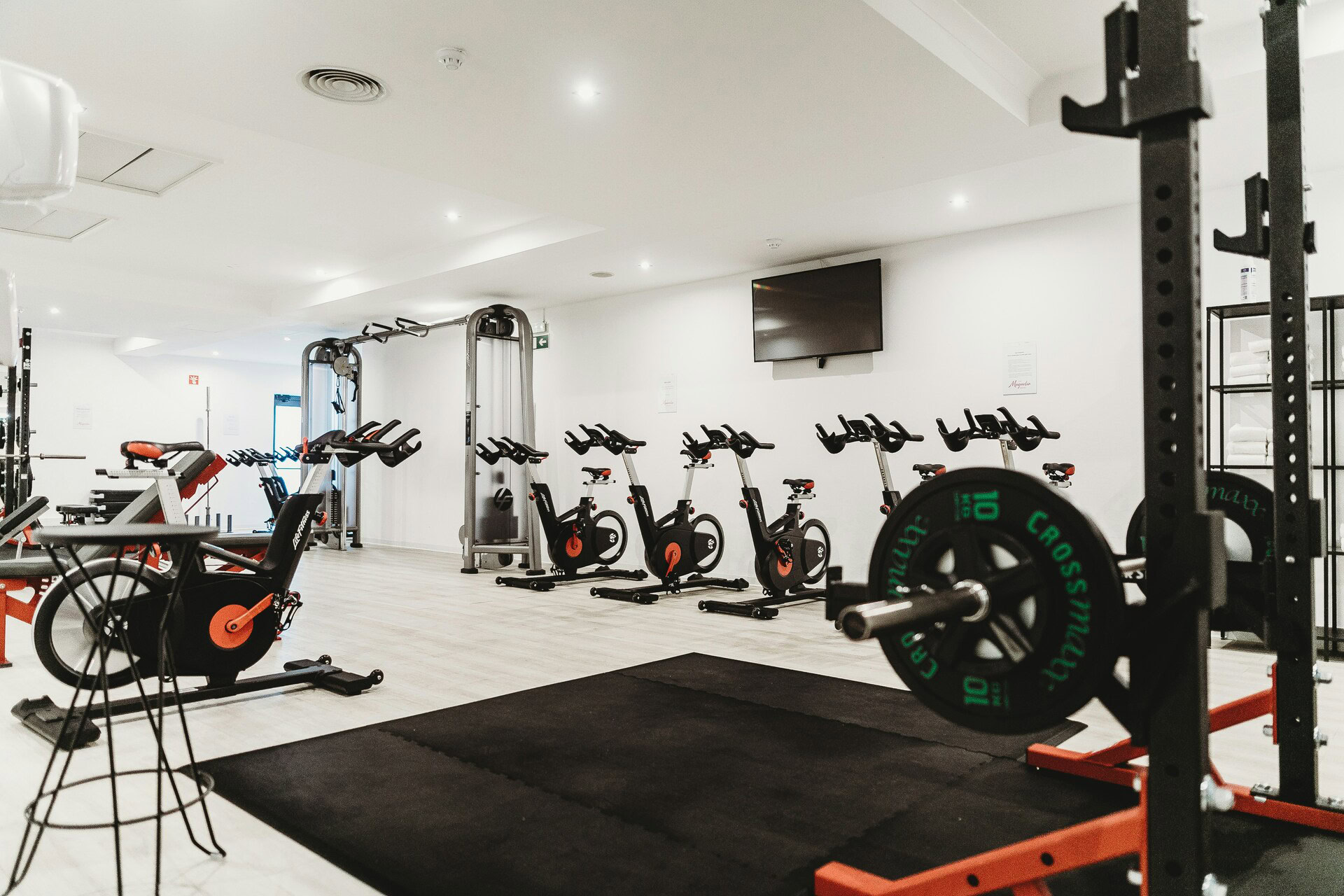
Equipment is the one part of the investment with resale value, and commercial kit is built to be refurbished. On a European refurbished-equipment marketplace, a commercial Life Fitness 95T treadmill was offered at about €3,843, against €14,950 new, about a quarter of the price, with a 12-month warranty.
Refurbished cardio and strength equipment from closing or re-equipping gyms is how many independents open; new kit on asset finance spreads the cost but adds interest. Equipment owned outright is also what buyers look for when the business is sold: a 24/7 gym in Scotland offered for sale with about £600,000 of turnover listed all of its equipment as owned.
5. Set up the structure and plan the VAT
A private company limited by shares, incorporated at Companies House, is the usual structure, with the lease and the finance in the company’s name. Gym memberships sold by a commercial business are standard-rated for VAT at 20%; the sports exemption applies only to eligible non-profit bodies.
Registration becomes compulsory once taxable turnover passes £90,000, which at £26 a month is about 290 members, close to the point where a typical independent breaks even. From then on a sixth of every membership goes to HMRC unless prices rise, so the price list is set with VAT in mind from the start. VAT on equipment bought up to four years before registration can be reclaimed if the business still holds it, while VAT on a builder’s fit-out can be reclaimed only for the six months before registration.
6. Decide the staffed hours and the access system
Staffing every opening hour is the largest cost a small gym can avoid. One independent gym offered for sale is staffed only from 5pm to 9pm, with members using secure keycard entry the rest of the time. Unstaffed opening needs access control linked to the membership system, CCTV, an emergency alarm or help point, an induction for every new member, and a risk assessment under the Health and Safety at Work etc. Act 1974 that covers lone use. Insurers set their own conditions for unstaffed hours, so the policy is checked before the opening hours are advertised.
7. Put the instructors and personal trainers in place
- Qualifications: none is required by law to open a gym, but insurers and members expect a Level 2 gym instructor qualification for floor staff and Level 3 for personal trainers, with first aid on staffed shifts
- Self-employed personal trainers: commonly rent space from the gym, paying a monthly fee and keeping their own clients, as the gyms offered for sale above describe; the rent is income for the gym without a wage
- Status: a trainer the gym pays to run classes or coach its members, on hours it sets, looks like a worker or employee to HMRC, while a trainer who pays rent and serves their own clients is self-employed
- Right to work: from 1 October 2026 the Home Office scheme covers workers and individual subcontractors the gym pays, as well as employees, with penalties of up to £45,000 per worker for a first breach
- Pay: the National Living Wage is £12.71 an hour at 21 and over from 1 April 2026
8. Cover the obligations that do apply
- Music: background music and music for classes need TheMusicLicence from PPL PRS, with classes charged differently from background play
- Health and safety: a written risk assessment, equipment maintenance records and an accident book, with a first aider on staffed shifts
- Membership contracts: clear terms on minimum periods, cancellation and price rises, since unfair contract terms are not binding on consumers
- Data: registration with the Information Commissioner’s Office for a business holding member and CCTV data, unless exempt
- Business rates: due on the unit, with Small Business Rate Relief removing the bill at a rateable value of £12,000 or less in England
9. Price and sell memberships before opening
Pre-sale memberships at a founder rate fill the gym before the doors open and test the price. Joining fees, off-peak memberships and paid add-ons raise the income per member without changing the headline rate: The Gym Group reported a 26% year-on-year uplift in average income from members who bought add-ons in 2026. Corporate memberships with nearby employers and rent from trainers and therapists add income that does not depend on the next sign-up.
10. Track members, cancellations and visits
- Members paying, not members on the system: the count that pays the rent is the one on direct debit this month
- Cancellations: the share of members leaving each month, which decides how many new sign-ups are needed just to stand still
- Visits: members who come often stay longer, which is why The Gym Group tracks the share visiting four or more times a month
- Equipment downtime: a broken treadmill at peak time costs goodwill that a service contract or a spare part on hand protects
Types of gym business
| Type | How it works |
|---|---|
| Low-cost 24/7 gym | Large floor, low price, keycard access, few staffed hours, needs high member numbers |
| Strength or performance gym | Racks, platforms and free weights, a committed membership at a higher price |
| Boutique class studio | Classes booked by session or pack, a smaller unit, coaching as the product |
| Personal training studio | Small space, income from coaching sessions rather than memberships |
| Community gym | A mix of equipment, classes and coaching, often with rooms let to therapists |
| Franchised gym | A brand’s format, systems and buying power, against fees set in the agreement |
L’Express Franchise, October 2026.
How much does it cost to open a gym in the UK?
No official UK average start-up cost exists for a gym. What can be stated is what the statutory lines cost and what equipment and existing gyms sell for:
| Cost line | Published figure |
|---|---|
| Licence to open a gym | None required |
| Commercial treadmill, refurbished | About €3,843, against €14,950 new, on one European marketplace |
| Company incorporation | £100 online at Companies House |
| Business rates, England | Nil at a rateable value of £12,000 or less with Small Business Rate Relief |
| Staff | £12.71 an hour at 21 and over; employer NI 15% above £5,000 |
| VAT on memberships | 20% once taxable turnover passes £90,000 |
Sources: GOV.UK; HMRC; Companies House; refurbished equipment marketplace listing, consulted October 2026.
What gyms sell for
| Gym for sale | Reported members and turnover | Asking price |
|---|---|---|
| Gym, 3,700 sq ft, staffed 5pm to 9pm, keycard entry otherwise | 250 members; about £1,500 a week | £110,000, leasehold |
| Gym with a sublet beauty room, trading since 1995 | About 150 members; £42,000 a year, plus £4,200 a year room rent | Not stated |
| 24/7 gym with studios, sauna and juice bar, equipment owned | About £600,000 a year | Confidential |
Business-for-sale listings; figures are the sellers’, not audited.
A month in an independent gym
The worked example takes a unit of about 4,000 square feet at an illustrative £30,000 a year, staffed 20 hours a week, with members paying £26 a month including VAT:
| Monthly line | Figure |
|---|---|
| Rent | £2,500 |
| Business rates | £400 |
| Staff: 20 hours a week at £12.71, plus about 13% on-costs | £1,245 |
| Energy and water | £800 |
| Cleaning | £300 |
| Access control and membership software | £150 |
| Insurance | £100 |
| Marketing | £200 |
| Fixed costs | £5,695 |
| Members needed at £21.67 after VAT | About 263 |
Illustrative inputs except the wage rate and VAT, L’Express Franchise, October 2026. Equipment finance and the owner’s pay not included.
About 263 paying members is close to what the 3,700 square foot gym above reports, which is why most independents add income beyond memberships: personal trainers renting space, a room let to a therapist, classes, and add-ons. Each member who cancels has to be replaced before the gym grows at all.

Opening a gym on a lower budget
The lower-cost routes are a personal training studio in a small unit, a gym fitted with refurbished equipment, or taking over a gym whose kit, flooring and members are already in place. Start Up Loans lends up to £25,000 per applicant at a fixed 7.5%, unsecured, and asset finance spreads the cost of equipment over its working life.
Good to know
At £26 a month, a gym reaches the £90,000 VAT threshold at about 290 members, almost exactly where a typical independent starts to cover its costs. From that point a sixth of every membership goes to HMRC, so a gym that has priced without VAT either raises prices or loses about £4.33 per member per month just as it starts to make money.
Gym franchise opportunities in the UK
Franchising in the UK has no franchise statute or disclosure law, as set out in what a franchise is. A gym franchise brings a brand, membership systems and buying power for equipment, against an initial fee, ongoing fees and the franchisor’s requirements on fit-out. Brands recruiting in the UK, with the liquid capital each asks for, are listed in the gym and fitness franchise directory.
Bodystreet
EMS personal training studios
- Gym – Fitness
- 12 Locations
- Liquid capital: £10000
Snap Fitness
Global gym franchise
- Gym – Fitness
- 135 Locations
- Liquid capital: £250000
MyoTec
Muscle electrostimulation
- Sports – Leisure
- 40 locations
- Liquid capital: £18000
One Fitness Club
Fitness Club
- Sports – Leisure
- 14 locations
- Liquid capital: £350000
WAKE UP FORM
Sports club
- Sports – Leisure
- 20 locations
- Liquid capital: £75000
Editor’s tip
Before buying a gym, ask for the direct debit report, not the membership list: the number of members actually paying this month, what they pay, and how many cancelled in each of the last twelve months. Then check whether the equipment is owned or on finance, whether trainers pay rent under written agreements, and whether the lease and the insurance allow the opening hours the gym advertises.
The practical difficulties operators report
- The chains set the price: a headline rate of about £27 a month from a national chain caps what most members will pay for a similar offer
- Members leave every month: cancellations mean an independent needs a steady flow of sign-ups just to hold its numbers
- The VAT step: crossing £90,000 takes a sixth of every membership unless prices were set with VAT in mind
- January and summer: sign-ups peak in January and dip in summer, while the rent does not
- Neighbours and noise: dropped weights and music through walls are the most common source of complaints and lease disputes
- Equipment breaks at peak time: commercial kit needs service contracts, and a queue for one treadmill is visible to every member
The bottom line
Opening a gym in the UK needs no licence, but it needs a site that can take the weight and the noise, insurance that covers the opening hours, qualified staff, a music licence and membership terms that are fair. The economics come down to paying members: on illustrative figures, a unit at £30,000 a year with 20 staffed hours a week needs about 263 members at £26 a month, and passes the VAT threshold at about 290. Refurbished equipment, unstaffed hours with keycard access, and income from trainers and therapists are how independents close that gap with the chains.
Frequently asked questions about opening a gym in the UK
No licence is needed to open a gym. A music licence from PPL PRS is needed to play music, health and safety duties apply, and a change of use from a non-Class E building may need planning permission; gyms sit in Use Class E(d) in England.
No official average exists. Refurbished commercial equipment can cost about a quarter of new: one commercial treadmill was offered at about €3,843 refurbished against €14,950 new. An existing independent gym with 250 members has been offered for sale at £110,000.
It depends on the costs. On illustrative figures, a 4,000 square foot unit at £30,000 a year with 20 staffed hours a week needs about 263 members paying £26 a month including VAT.
No qualification is required by law to own a gym. Insurers and members expect floor staff to hold a Level 2 gym instructor qualification and personal trainers a Level 3, with a first aider on staffed shifts.
Yes, once registered. Memberships sold by a commercial gym are standard-rated at 20%; the sports exemption applies only to eligible non-profit bodies. Registration is compulsory above £90,000 of taxable turnover, about 290 members at £26 a month.
Yes, for part of the day. Independent gyms commonly run unstaffed hours with keycard access, CCTV and an emergency help point; one gym offered for sale is staffed only from 5pm to 9pm. Insurers set conditions for unstaffed opening.
The Gym Group reported average income of £21.60 per member per month in 2025 and a standard headline rate of £26.91 in 2026. Independent gyms offered for sale report around £23 to £26 per member per month.
Many are self-employed and rent space from the gym, keeping their own clients and paying a monthly fee. Trainers the gym pays to coach its members on hours it sets are likely workers or employees, and from October 2026 fall within right to work checks.
Refurbished commercial equipment costs far less: one commercial treadmill was offered at about a quarter of its new price with a 12-month warranty. New equipment comes with full manufacturer warranties and can be spread over time with asset finance.
Not to move from another Class E use, such as a shop, since indoor sport and fitness is Use Class E(d) in England. Industrial units outside Class E, structural works and external changes may need permission.