
Low cost franchises in the UK range from a few hundred pounds to £10,000 of personal contribution. In October 2026, eleven brands in the L’Express Franchise directory published an entry cost at or below £10,000, eight of them £5,000 or less. This guide sets out what those figures cover, the costs that sit outside them and how low-cost franchises are funded.
A low-cost franchise in the UK is generally one with an entry cost below £10,000, usually a home-based, mobile, children’s or business support model with no premises to lease. In October 2026, the lowest personal contributions published in the L’Express Franchise directory ranged from £0 to £2,000.
- Under £5,000: eight brands in the directory, mostly home-based, pet care, children’s and mobile services.
- From £5,000 to £10,000: children’s holiday clubs, mobile coffee vans and home improvement.
- Outside the headline figure: VAT, insurance, a vehicle, ongoing fees and working capital.
- Funding: Start Up Loans lend up to £25,000 at a fixed 7.5% a year, and franchises are eligible.
According to the British Franchise Association’s 2024 National Franchise Survey, a survey of its own members sponsored by NIC Services Group, the UK counted 1,009 franchise systems and 50,421 franchised units. No official statistic records what those units cost to open, and there is no public average start-up cost for a UK franchise. The only citable figures for low-cost franchise opportunities are the ones each franchisor publishes about its own network, which is what this page uses.
What counts as a low cost franchise in the UK
There is no legal or official definition. In the UK market, “low cost”, “cheap” and “low investment” franchises usually mean an entry cost below £10,000, and sometimes below £5,000. Almost all of them are service, mobile, home-based or children’s activity models, because there is no shop to lease, fit out or staff.
The label can refer to four different numbers, and franchisors do not always publish all of them. Two brands advertised at the same price can therefore require very different sums.
- Initial franchise fee: the one-off sum paid to the franchisor for the right to trade under the brand, training and launch support, often quoted excluding VAT.
- Personal contribution: the unborrowed cash the franchisor expects the candidate to put in. The tables on this page are ranked on this figure.
- Total investment: the full cost of launching, including the fee, equipment, a vehicle where one is needed, initial stock and marketing.
- Working capital: the cash needed to cover running costs until the business pays for itself, included in the total by some franchisors and published separately by others.


Fun Fest Holiday Club
Children’s holiday club
- Sports – Leisure
- 47 Locations
- Liquid capital: £7500
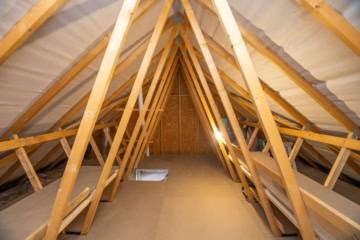
More Than Loft Ladders
Loft storage solutions franchise
- Construction – Renovation
- 39 Locations
- Liquid capital: £10000


City Express
Local Delivery Apps
- Food – Drink
- 100 locations
- Liquid capital: £4000


Fresh Car Valeting
Valeting at the customer's door
- Automotive
- Liquid capital: £5000
Low cost franchise opportunities in the UK under £10,000
The eleven brands below publish a personal contribution of £10,000 or less. They are listed by entry cost, lowest first, with the total investment each franchisor gives for launching the business.
| Brand | Activity | Personal contribution | Total investment |
|---|---|---|---|
| SmartPA | Virtual PA and business support | £0 | £9,950 |
| The Travel Franchise | Home-based travel agency | £995 | £14,995 |
| LCF FunLanguages | Language clubs for children | £1,980 | £1,980 |
| Jam Coding | Computing classes in primary schools | £1,995 | £22,502 |
| The Pets, Homes and Gardens Company | Dog walking and pet sitting | £2,000 | £5,000 |
| City Express | Local food delivery app | £4,000 | £10,000 |
| Fresh Car Valeting | Mobile car valeting | £5,000 | £5,000 |
| Hive Pubs | Managed community pub | £5,000 | £5,000 |
| Fun Fest Holiday Club | Children’s holiday clubs | £7,500 | £28,000 |
| Really Awesome Coffee | Mobile coffee van | £10,000 | Not published |
| More Than Loft Ladders | Loft ladder installation | £10,000 | £40,000 |


The Travel Franchise
Home-based travel agency
- Personal services
- 0 Location
- Liquid capital: £995


LCF FunLanguages
Trusted Children’s Language Franchise
- Training – Education
- 47 Locations
- Liquid capital: £1980


SmartPA
Remote PA & Admin Services
- Business services
- 100 Locations
- Liquid capital: £0


The Pets, Homes and Gardens Company
Professional pet care franchise
- Personal services
- 13 locations
- Liquid capital: £2000


Really Awesome Coffee
A mobile café in your own territory
- Restaurant
- Liquid capital: £10000
Where low cost franchises under £5,000 are found
Eight of the eleven brands in the table set their personal contribution at £5,000 or below. They are not spread evenly across the market. Low entry costs cluster in a handful of sectors where the business can trade without premises, stock or staff, and where the franchisee’s own time is the main thing being sold.
Business support and travel
Virtual assistance, bookkeeping support and travel booking run on a laptop, a phone line and the franchisor’s software. The launch budget covers training, the brand licence and launch marketing, with no fit-out and no equipment beyond IT. Clients are found through networking and referrals, and the work can be scaled up or down with the hours the franchisee puts in.

Pros of a low cost franchise
- Add your first advantaLess borrowing at launch: the cash needed at launch can be covered by savings or a single Start Up Loan of up to £25,000.
- Low fixed overheads: without a lease, the monthly costs that run whether or not the business trades stay small.e item…
- A route in without sector experience: some franchisors in the table state that no previous experience is required.
- Flexible hours: some networks state that the business can start part time alongside other commitments.
Children’s activities and tutoring
Language clubs, coding classes, sports coaching and holiday clubs are delivered in schools, nurseries and rented halls. The franchisee sells a programme the franchisor has already written, books the venues and recruits families. Activity follows the school calendar: term-time sessions during the week, holiday clubs in the breaks, which is why some networks describe the model as compatible with part-time hours at the start.
Pet care
Dog walking, home visits and pet sitting are a recurring format at the low cost end of the UK market. The service is local and repeat-based: a client who books a daily walk often books it for months. Launch costs are mostly insurance, branding and marketing, and defined territories are a common feature, so that two franchisees do not compete for the same streets.
Mobile services from a van
Car valeting and coffee vans take the business to the customer, at home, at work or on an industrial estate. The van is the shop, which keeps the entry cost below that of any premises, but it also becomes the largest single line in the budget. Franchisors differ on whether the vehicle is included in the published figure, financed through a partner or left to the franchisee.
Domestic and commercial cleaning
Cleaning brands feature prominently in the low-cost listings of UK franchise directories. Some models start with the franchisee doing the cleaning; others are built from the outset around recruiting cleaners and managing contracts, which moves the business closer to a management franchise as it grows.
The limits of a low-cost franchise
- Turnover tied to the owner’s hours: in a one-person service business, the week has a ceiling unless staff are taken on.
- More competition: low barriers to entry mean more operators in the same sector, independents included.
- Fees that outlast the fee: a small initial fee can sit alongside ongoing charges that weigh more over the term of the agreement.
- Less to sell on: a business with no premises or staff can have a lower resale value at the end of the term.
Why some franchises cost so little
A low entry cost is not a discount on a standard franchise. It reflects how the business is built, and the same three factors explain most of it.
Income spread over time: some franchisors set a low upfront fee and recover more through the ongoing management service fee, charged monthly as a percentage of turnover or a fixed sum. Over the length of a five-year agreement, the ongoing fees can exceed the initial fee several times over.
No premises: no lease, no rent deposit, no fit-out and no business rates on a commercial unit, which together account for most of the start-up cost of a shop or restaurant franchise.
Little equipment or stock: a service business sells time and know-how, so there is no stock to buy before the first sale.
Good to know: VAT on the initial fee
Initial franchise fees are commonly quoted excluding VAT, charged at the standard rate of 20%. A business only registers for VAT once its taxable turnover passes £90,000, and a business that is not registered cannot reclaim the VAT it pays on the fee or on equipment. On a low cost franchise, that difference can be a material share of the launch budget.
What a cheap franchise costs beyond the headline figure
A low published entry cost describes the franchisor’s side of the transaction. Several other lines appear in most launch budgets, whatever the brand.
- A vehicle for mobile and van-based models, bought, leased or financed separately unless the franchisor includes it.
- Insurance: public liability cover is standard for service businesses, and employers’ liability insurance becomes a legal requirement once staff are taken on.
- Ongoing fees: a management service fee, as a percentage of turnover or a fixed monthly sum, and in some networks a marketing levy, payable from the first month of trading.
- Checks and qualifications: networks working with children generally require a DBS check, and some trades require certification before the first job.
- Working capital to cover living costs and overheads until the business reaches breakeven.
From enquiry to signing: how recruitment usually works
Franchising in the UK is governed by general contract law. There is no franchise statute and no statutory pre-contract disclosure requirement, so what a candidate receives before signing depends on the franchisor. Recruitment at low cost franchises commonly follows the same sequence.
- Enquiry: the candidate registers interest through a directory profile or the franchisor’s site.
- First call: the franchisor asks about the candidate’s budget, area and background.
- Information pack: the franchise prospectus, with published fees and the support package.
- Discovery day: a visit to head office or an online session to meet the support team and, often, existing franchisees.
- Financial and territory discussions: projections, the territory on offer and the draft franchise agreement.
- Signing and training: the agreement is signed, the initial fee paid and training starts before launch.
Members of the British Franchise Association commit under its voluntary code to full and accurate written disclosure before binding documents are signed, and to having run the concept in at least one pilot unit for a year. The code binds members only and contains no cooling-off period. Where a franchisor’s statements turn out to be false, the remedy in England and Wales lies in misrepresentation. The terms themselves are set in the franchise agreement.
Initial franchise fees are commonly quoted excluding VAT, charged at the standard rate of 20%. A business only registers for VAT once its taxable turnover passes £90,000, and a business that is not registered cannot reclaim the VAT it pays on the fee or on equipment. On a low cost franchise, that difference can be a material share of the launch budget.
How low cost franchises are funded
At this level, the personal contribution often comes from savings. The government-backed Start Up Loans programme, run by a subsidiary of the British Business Bank, lends up to £25,000 per individual at a fixed rate of 7.5% a year over one to five years, to businesses starting up or trading for less than 60 months. Franchises are eligible. The loan is personal and unsecured, and each application is assessed on a business plan and a cash flow forecast.
For established franchise brands, the British Business Bank’s guidance indicates that the franchisee normally provides at least 30% of total set-up costs, working capital included.
The bottom line
In the UK, low cost franchises under £10,000 are almost always service, mobile, home-based or children’s activity models, because there is no shop to lease or fit out. The cheapest published entry points in the directory start at £0 to £2,000 of personal contribution. Published figures differ in what they cover, so the full cost only appears once VAT, insurance, a vehicle and working capital are added. The UK franchise directory can be filtered by personal contribution.
Questions about low cost franchises
No official source ranks UK franchises by cost. In the L’Express Franchise directory in October 2026, the lowest published personal contributions were SmartPA at £0, with a fee of £9,950, The Travel Franchise at £995, and LCF FunLanguages at £1,980, which also had the lowest total investment on this list. These are franchisor-published figures.
Yes. Eight brands in the directory published a personal contribution of £5,000 or less in October 2026, mostly home-based, children’s, pet care and mobile services. Hive Pubs, Greene King’s pub franchise, also starts at £5,000 upfront plus up to £3,000 of working capital.
Yes. The Start Up Loans programme states that franchise businesses are eligible. It lends up to £25,000 per person at a fixed 7.5% a year, to a maximum of £100,000 per business where several partners apply individually.
Some franchisors say so. The Travel Franchise states that its business can be run part-time or full-time, and Fun Fest Holiday Club states that franchisees can start part-time. Each franchise agreement sets its own minimum commitments.
Eleven brands in the directory published a personal contribution of £10,000 or less in October 2026. They cover virtual PA services, travel, children’s clubs and coding classes, pet care, food delivery, car valeting, a managed pub, holiday clubs, a coffee van and loft ladder installation.
Most franchise agreements charge a management service fee from the first month of trading, either as a percentage of turnover or as a fixed monthly sum. Some networks add a separate marketing levy. Over a five-year agreement, these ongoing fees can exceed the initial franchise fee several times over.
Many can. Virtual PA, travel and business support franchises are run entirely from home, while children’s, pet care and mobile franchises use the home as an office. Gov.uk states that permission from a mortgage provider or landlord, and in some cases business rates, may apply.
No official statistic breaks down franchise profitability by entry cost. The BFA’s 2024 National Franchise Survey of its members reported 89% of franchised units as profitable across all sectors and price levels. Earnings figures for individual brands come from the franchisor’s own material and are not independently verified.