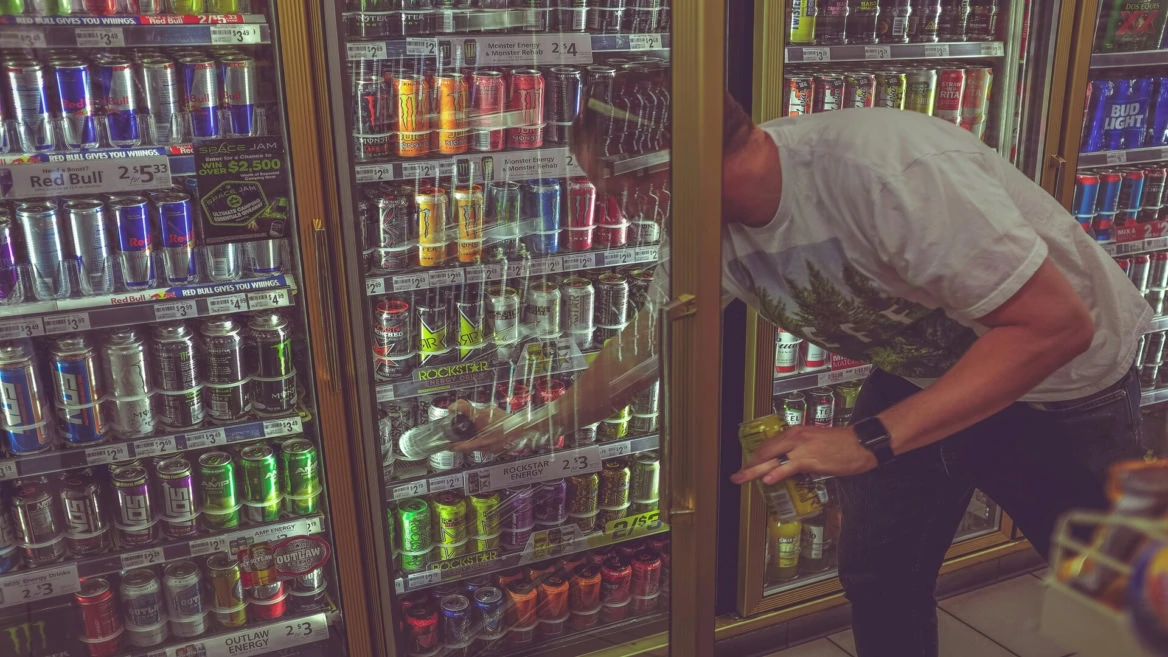

The Welsh Government has opened a consultation on banning the sale of high-caffeine energy drinks to under-16s, with proposed fixed penalties of £1,500 or £2,500 for retailers found selling them. The consultation closes on 17 December and covers enforcement, online age verification and timescales. It mirrors the process run in England last year.
High-caffeine soft drinks currently carry a label saying they are not recommended for children. The idea of a legal limit is not new in Wales: the previous Welsh Government ran a consultation on the subject in 2022, which looked at the minimum age, the products and businesses in scope, and the settings a ban should cover, including vending machines. The latest round moves from the principle to the mechanics.
What the consultation covers
The Welsh Government is asking for views on the enforcement framework that would sit behind a ban. The consultation lists online age-verification arrangements, the way compliance activity would be assessed, sanctions, implementation timescales and monitoring. The reference to online age verification suggests online sales are in scope as well as sales over the counter. The document mirrors the consultation held in England last year, so retailers trading on both sides of the border would face comparable proposals, although each nation sets its own rules and dates.
Two tiers of fixed penalty
Under the proposals, a business found selling a high-caffeine energy drink to an under-16 could face a fixed monetary penalty. The amount would depend on size: £1,500 for an individual, a micro-business or a small business employing fewer than 50 people, and £2,500 for a medium-sized or large business with 50 or more employees. These are proposals, and the consultation exists to test them.
Good to know
The penalty levels are proposals. Nothing changes for Welsh retailers until the Welsh Government has considered the responses and set out its decision. The consultation deadline is 17 December.
Many Welsh convenience shops trade under symbol-group fascias such as SPAR, Nisa and Premier. In those arrangements the retailer owns the shop and signs a supply agreement with the symbol group, and these are not franchises. The consultation does not say how the penalty bands would apply to such retailers.
How convenience retailers have responded
The Association of Convenience Stores responded to the proposals. Ed Woodall, chief executive of the association, said local shops have “a strong track record of managing age restricted products” and would apply the same diligence to keeping under-16s away from energy drinks. He added that the vast majority of convenience retailers already operate voluntary age restrictions.
The association’s own polling backs that up. A survey of independent retailers in 2022 found that four in five already had some form of voluntary policy limiting sales of energy drinks to young people. That research is now several years old, and it covered independents rather than the whole sector.
Auntie Anne’s
Hand-rolled soft pretzel bakery
- Restaurant
- 52 Locations
- Liquid capital: £50000
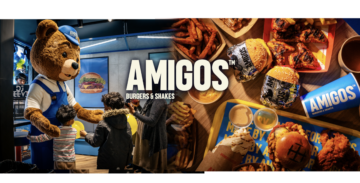
Amigos Burgers & Shakes
Burgers, Shakes, Good Times
- Burger
- 25 Locations
- Liquid capital: £170000
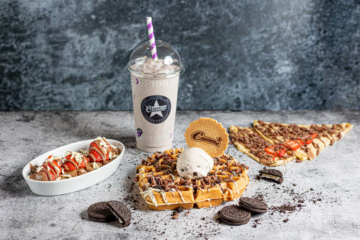
Creams Cafe
Dessert restaurant chain
- Restaurant
- 96 Locations
- Liquid capital: £85000
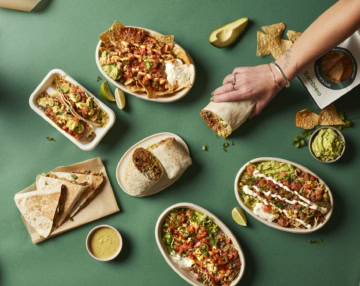
Zambrero
Purpose-led Mexican QSR
- Restaurant
- 16 Locations
- Liquid capital: £50000
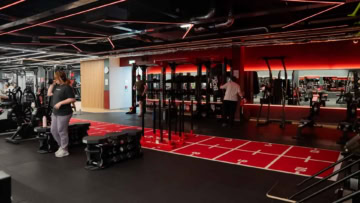
Snap Fitness
Global gym franchise
- Gym – Fitness
- 135 Locations
- Liquid capital: £250000
What happens next
Responses can be submitted to the Welsh Government until 17 December. Because the consultation asks for views on implementation timescales, no start date for a ban is fixed in the proposals as reported. The Welsh Government has not yet set out its position on the penalty bands, the age-verification rules for online sales or the date from which a ban would apply, and the responses are what it is asking for.