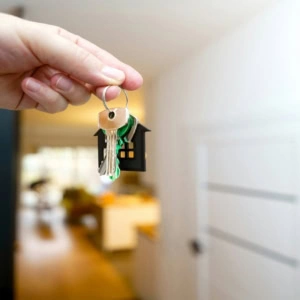

A pet sitter holds the keys to an empty house, often for a week at a time, with no licence, no register, and no mandatory vetting behind them. The work does not normally qualify for anything above a basic criminal record check, even after the rules changed in January 2026. Nothing in law gates entry here, so everything that reassures a client is built by the operator.
How to start a pet sitting business in the UK, step by step
The checklist, in the order most sitters set up:
- Service kept on the unlicensed side of the line
- Niche and service area chosen
- Business registered with HMRC or Companies House
- Insurance for animals, keys and property in place
- Basic DBS check and pet first aid done
- Client agreement written around the emergency
- Key handling system set up
- Prices built on the round, not the visit
- Meet-and-greet and visit updates routine designed
- Cover arranged for illness and the peak weeks
What is a pet sitting business?
A pet sitting business cares for animals in their own owner’s home while the owner is away, visiting or staying over to feed, exercise and check on them, and in the UK it needs no licence to trade because the animals never leave the property they live in. Many operators combine it with house sitting, plant watering and mail collection, which is why the service is often sold as home care rather than pet care.
The commercial consequence is that the business has no fixed capacity. A premises-based operator is limited by floor area; a sitter is limited by hours, geography and how far apart the visits are. Growth means more sitters or a tighter round, not a bigger building.

1. Check which side of the licensing line you are on
Caring for an animal in its owner’s home is not a licensable activity. Bringing that animal into your own home makes it home boarding, which is licensed, and running a premises where dogs are cared for during the day is licensed as day care. The distinction is the front door, and it is set out in full in the guide to opening a dog day care in the UK, along with the star rating and fee regimes that follow from crossing it.
2. Register the business
Most sitters trade as sole traders registered with HMRC. Incorporation at Companies House costs £100 online on the fee schedule in force from 1 February 2026. VAT registration becomes compulsory once taxable turnover passes £90,000, which a single-operator round rarely reaches but a multi-sitter territory can.
3. Insure for the things you are actually holding
Public liability alone does not describe the risk in pet sitting. The sitter has custody of an animal, a set of keys, an alarm code and an empty property, and each is a separate exposure: cover for animals in the sitter’s care is written separately from general liability, and key cover is separate again. Policies commonly cap how many dogs may be walked at once, which matters as much as the council limit below. Employers’ liability is compulsory once staff are taken on.
4. Find out what vetting you can obtain
Criminal record checking is not mandatory for pet sitters. A basic check can be applied for directly by any individual; standard and enhanced checks are restricted to legally eligible work. Dewing took out insurance, a DBS check and several pet care and first aid courses before launching, and she has described the whole set-up, with a website and social media pages, taking about a week.
Good to know
From 21 January 2026 self-employed people have been able to apply for enhanced checks through a registered umbrella body, without an employer, which sounds like it solves this. It does not. Eligibility still turns on the work, not the employment status, and government guidance gives the example of a self-employed tradesperson entering customers’ homes not qualifying on that basis alone. Pet sitting sits in the same position: entering a home is not a regulated activity. In practice, a basic check is the level most sitters can obtain, and a brand advertising more should be asked what work makes it eligible.
5. Write the client agreement around the emergency
The document that matters is not the booking form. It is the authority to act when an animal falls ill, and the owner is unreachable on a flight: who may consent to treatment, up to what figure, at which practice, and who settles the bill. Under the Animal Welfare Act 2006, a duty of care attaches to whoever is responsible for an animal, including temporarily, so the sitter carries that responsibility during the visit, whatever the paperwork says.
6. Set up key handling
Keys are coded rather than labelled, stored away from any document connecting them to an address, logged in and out, and returned or destroyed when a client leaves. A lost labelled key is a security incident in someone’s home, and it is the failure clients ask about most often.
7. Price the round, not the visit
Income is hours multiplied by density. Two clients on the same street are a different business from two clients eight miles apart, and travel between them is unpaid unless it is priced in. Where the operator employs sitters rather than working alone, the National Living Wage is £12.71 an hour from 1 April 2026 for those aged 21 and over, with employer National Insurance at 15% above £5,000 a year.
8. Decide how the round is covered when you are ill
A sole operator with a week of bookings has no cover, and animals in someone’s home cannot wait. Arrangements with another local sitter, or a franchisor’s network, are the usual answer, and they are worth settling before they are needed.
Types of pet sitting business
| Model | What it involves |
|---|---|
| Drop-in visits | Short scheduled calls to feed and check. Highest density, lowest value per booking |
| Overnight house sitting | The sitter stays in the property. Higher value, one client at a time |
| Live-in and holiday cover | Multi-day stays booked around travel seasons, with pronounced peaks |
| Combined home services | Pets plus plants, post and presence, sold as looking after the house |
| Multi-sitter territory | The operator books and supervises; others do the visits. Staffing and vetting become the job |
Pets, Homes and Gardens (PHG)
Pets, Homes and Gardens (PHG) is a UK pet and home care franchise built by animal lovers, for animal lovers. Founded by Peter and Julie, who have years of experience in pet and house sitting, the network looks after pets and homes while their owners are away, whether that means walking the dog, feeding the cat or keeping an eye on the house.
Pets stay happy in familiar surroundings, and owners get real peace of mind. PHG also gives people the chance to turn their love of animals into a business of their own. For £1,995 plus VAT, franchisees join a proven model with hands-on support from the founders, and they now have local teams in places such as Surbiton and Plymouth.


The Pets, Homes and Gardens Company
Professional pet care franchise
- Personal services
- 13 locations
- Liquid capital: £2000
How much does it cost to start a pet sitting business in the UK?
There is no licence fee, no premises, and no fit-out, which makes this the cheapest entry in pet care. The published lines are short:
| Cost line | Position, 2026/27 |
|---|---|
| Licence | None. The activity is not licensable when care is given in the owner’s home |
| Basic criminal record check | Applied for directly by the individual. Not mandatory for this work |
| Company incorporation | £100 online, Companies House fee schedule from 1 February 2026 |
| Staff, if any, from 1 April 2026 | National Living Wage £12.71 an hour, employer National Insurance 15% above £5,000 a year |
| VAT | Registration at £90,000 taxable turnover |
| Insurance, vehicle and mileage | Commercially set. No national figure published |
| Franchise fee, where taken | Roughly £9,995 to £12,995 plus VAT at the networks that publish a figure |
Pet sitting franchise opportunities in the UK
That makes the sector easier to compare on price than most, and it also means the fee is buying nothing physical at all, which puts it at the bottom of the range in what it costs to open a franchise in the UK.
- Multi-service networks dominate. Most UK pet care franchises sell sitting alongside dog walking, home boarding and sometimes grooming, rather than sitting on its own, and their published initial figures run between roughly £9,995 and £12,995 plus VAT on their own sites, as set out in the guide to opening a dog day care in the UK
- Smaller sitting-only brands recruit at lower entry points, but few publish a figure on their own pages, so the comparison has to be made brand by brand from each cost schedule in writing
Editor’s tip
In a sector with no premises, no equipment and no licence, a five-figure franchise fee buys nothing you can touch. Everything it buys is intangible: a territory and whether it is exclusive, lead generation, cover when the franchisee is ill, insurance arranged at network rates, and the systems behind the booking. That makes the ongoing percentage more revealing than the headline figure, because a low fee with no lead flow and a high fee with a full pipeline can produce the same first-year cost. Only the franchise agreement and its cost schedule show which is which.
The practical difficulties operators report
- No barrier protects you either. The absence of licensing that makes entry cheap also means a competitor can start in your street next week
- Trust has to be manufactured. With no register to point at and basic checks the usual ceiling, references, insurance and reviews carry the whole load
- Demand peaks exactly when you want time off. School holidays and Christmas are the busiest weeks of the year
- Illness has no cover. A sole sitter cannot postpone a visit to an animal alone in a house
- Travel eats the margin. A scattered round can spend more time driving than sitting
- The worst day is someone’s pet. Illness, escape or death in your care is an emotional event before it is a commercial one
The bottom line
Starting a pet sitting business in the UK requires no permission from anybody, which is both its advantage and its problem. The cost of entry is insurance, a vehicle and whatever a franchise fee comes to, with the networks that publish a figure running from roughly £9,995 plus VAT, among the lowest in the personal services category.
In return, it asks the operator to build, from contracts and evidence, the assurance that regulation supplies in every neighbouring sector. The moment an animal comes into the sitter’s own home, that changes, and a licence is required.
Frequently asked questions about starting a pet sitting business in the UK
No, where the care is given in the animal’s own home. Sitting and walking in the owner’s home are outside the licensing regime. The licence is triggered by taking the animal into the sitter’s home, which is home boarding, or by running premises where dogs are cared for during the day. Nothing else about the business requires permission to trade.
No check is legally required. Any individual can apply for a basic check directly, and since 21 January 2026, self-employed people have been able to apply for enhanced checks through a registered umbrella body. Eligibility for that higher level depends on the work qualifying, and entering a customer’s home does not qualify on that basis alone, so a basic check is the level most pet sitters can obtain.
The UK pet care networks that publish a figure on their own sites run between roughly £9,995 and £12,995 plus VAT, and most of those sell sitting as part of a wider service rather than on its own. Smaller sitting-only brands recruit at lower entry points but rarely publish. Because there is no premises and no licence, the fee is close to the whole cost of entry, so what matters is territory, lead generation, cover arrangements and the ongoing percentage, none of which appears in the headline figure.