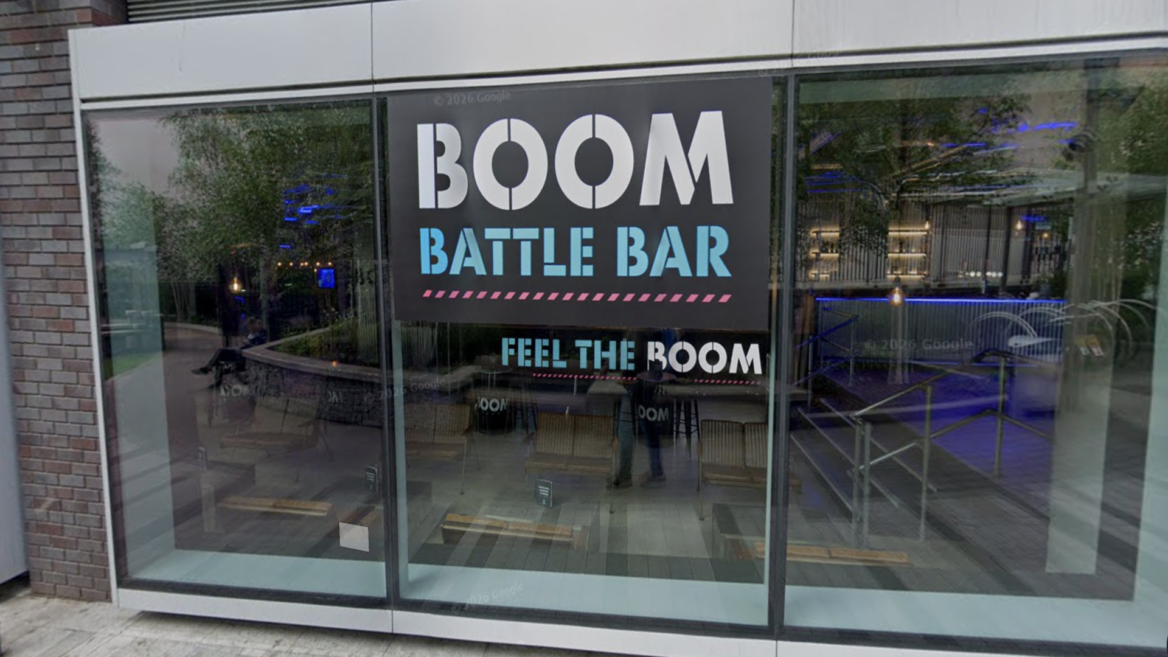

XP Factory has sold Boom Battle Bar, a competitive socialising brand with 24 company-run sites and five franchised sites, to Frasers Group-backed F.O Twenty-Four for up to £11 million. The AIM-listed group will now concentrate on Escape Hunt, where it targets at least 50 UK sites by 2031.
On 28 September 2026, XP Factory announced the disposal of Boom Battle Bar, effective on signing. The buyer, F.O Twenty-Four Ltd, is backed by Frasers Group and includes the brand’s original founders. Across its 29 UK sites, Boom generated turnover of £42.4 million in the year to 29 March 2026, with adjusted pre-IFRS 16 EBITDA of £7.4 million before central costs.
rading was harder underneath: the Morning Advertiser reports that like-for-like sales fell 8%, against a decline of around 9% across the competitive socialising sector.
How the £11 million is structured
Only £5 million is paid in cash at completion. Up to £4 million depends on Boom’s like-for-like sales, in three instalments: up to £1.5 million in January 2027, then up to £1.25 million in January 2028 and January 2029.
Those payments only start above a threshold of roughly minus 10% like-for-like. A further £2 million is tied to site-level EBITDA over three years. XP Factory says the proceeds will reduce its bank net debt and fund working capital and its growth programme.
Five franchised sites change owner with the brand
Boom ran a franchise alongside its own estate, and its five franchised sites now sit under a new franchisor. The announcement does not detail how each franchise agreement transfers.
It does set out the practical separation: seven co-located sites, where Boom and Escape Hunt trade side by side, will continue under existing lease terms with shared costs, and a transitional services agreement covers the handover.
What a brand sale means for a franchise agreement
A franchise agreement is a contract between the franchisee and the franchisor company. There is no UK franchise statute governing a change of franchisor, so the agreement’s own assignment and change-of-control clauses set how it moves to a new owner, among the terms covered in the franchise contract: key clauses every franchisee must know.
Why XP Factory chose Escape Hunt
The two brands were moving in opposite directions. Escape Hunt grew turnover 11% to £15.8 million, with UK like-for-like sales up 4.6% and a site-level EBITDA margin of 42%, according to the Morning Advertiser.
XP Factory now targets at least 28 owned UK Escape Hunt sites by the end of its 2027 financial year, up from 24, and at least 50 by 2031. James van den Bergh, chairman of XP Factory, said: “Every pound of capital the Group employs is judged on the return it earns.”
What comes next for Boom and its franchisees
Richard Harpham, chief executive of XP Factory, said: “The Disposal allows us to sharpen our focus on Escape Hunt, a business which has demonstrated the strength of its model.” F.O Twenty-Four has not yet published its plans for Boom, including whether it will keep recruiting franchisees.
The first measurable marker is January 2027, when the initial sales-linked payment falls due and will show how Boom’s like-for-like trading has held up under its new owner.