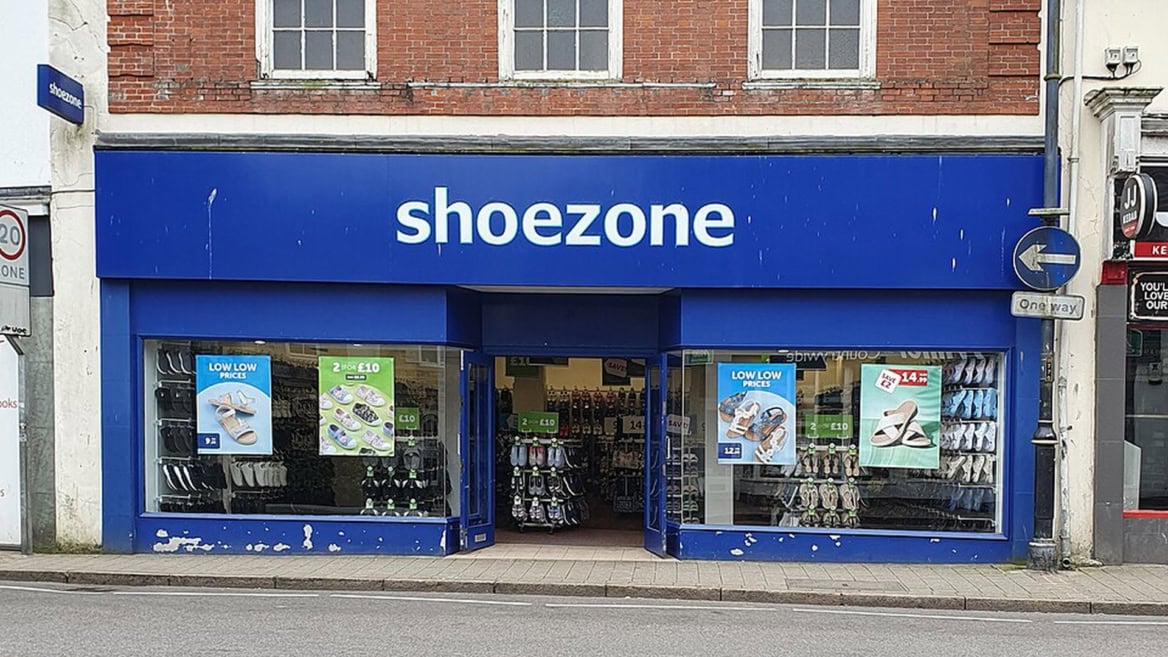

Footwear retailer Shoe Zone reported on 27 October that turnover fell 4.5% to £142.4 million in the 53 weeks to 3 October 2026, and that it expects an adjusted pre-tax loss of about £1.0 million. The estate shrank to 251 shops, a company-owned network rather than the operator-funded model used across the UK franchise directory, and the board described the start of autumn trading as slower than expected.
The full-year trading update, published as an RNS announcement, compares the 53 weeks to 3 October 2026 with the previous financial year. Turnover came in at £142.4 million, against £149.1 million a year earlier. The company said the fall reflected trading out of 18 fewer shops and a continued decline in consumer confidence. Figures are unaudited.
From profit to an adjusted loss
Shoe Zone expects an adjusted loss before tax of about £1.0 million, compared with an adjusted profit of £2.4 million in the previous year. It describes the result as in line with management expectations. The statutory loss before tax is expected to be about £0.6 million, against a statutory profit of £3.3 million. The company attributes the swing to lower sales, a full year of the National Insurance increase and a further rise in the National Living Wage, partly offset by a better margin.
Product margin rose to about 63.1% from 61.0%, helped by lower container prices and a better sterling to dollar rate. Net cash climbed to about £15.1 million from £5.9 million, driven by lower capital spending and a lower cost of sales. No dividend is expected for the year.
Adjusted and statutory loss
The £1.0 million adjusted figure excludes a £0.4 million foreign exchange revaluation gain. Including it, the statutory loss before tax is about £0.6 million. Both figures are unaudited and may change when full results are published.
Closures outnumber openings
Shoe Zone ended the year with 251 shops, down 6.7% from 269. It closed 25, opened 7 and refitted 6. The estate is now made up of 211 larger-format shops and 40 original high street shops. The company said it continues to expand the number of new-format shops while limiting capital expenditure to essential spending only. The company attributes the fall in turnover to the 18 fewer shops and to the continued decline in consumer confidence.
Outlook and the Budget
Charles Smith, chairman of Shoe Zone, said: “This was a challenging year, particularly in the first half, as consumer confidence continued to be weak”. He said confidence fell further after the November 2025 Budget and pointed to persistent inflation, elevated interest rates and reduced disposable income. Sales held up when there was a clear reason to buy, such as the warm summer and the back-to-school season, but overall discretionary spending remained subdued, the same conditions facing operators across the personal services and retail-facing categories. The first half of the year was the weaker of the two.
The update says the start to the autumn and winter season has been slower than expected, a trend continuing into the new financial year. It cites recent increases in container prices and fuel prices and a weaker pound against the dollar, and says the board awaits the outcome of the Budget. Management described trading conditions as expected to remain subdued and said cash remains healthy.