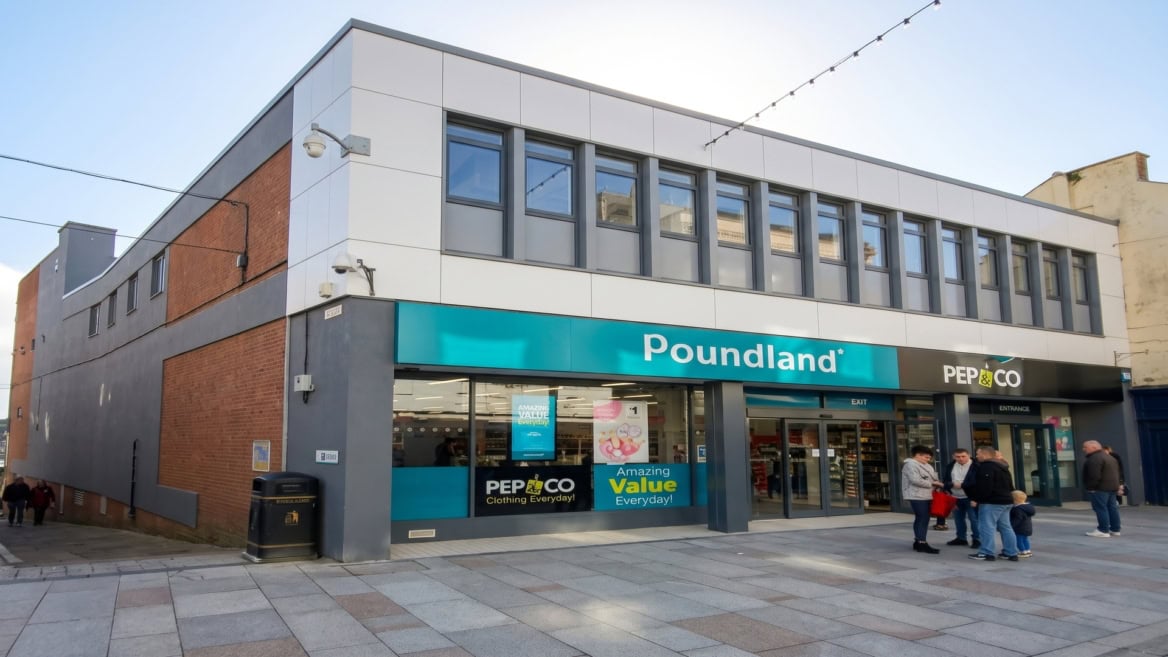

Fortress Investment Group is preparing to put Poundstretcher up for sale, possibly from Monday 30 November, a day after its larger rival Poundland went into administration. The New York investor could sell the 300-shop discount chain as a whole or in pieces, five months after the business went through a court-approved restructuring.
Poundstretcher trades from around 300 shops with about 3,000 staff, a distribution centre in Leicester and a head office at Kirby Muxloe in Leicestershire. Fortress Investment Group bought the business in April 2024. The same investor owns the wine merchant Majestic and Punch Pubs, whose publicans run their pubs under tenancies and leases, not franchise agreements. Bloomberg reported the sale plans on 26 November. Fortress and Poundstretcher both declined to comment when the Telegraph asked.
What Fortress is weighing
This is Money reports that the timing is linked to Poundland’s collapse, and that Fortress could take its decision by the end of this week, so a sale could start early next week. The owner has two options in front of it: find one buyer for the whole chain, or break it up and sell groups of shops to other retailers. Bloomberg’s reporting, cited by the Telegraph, adds that Fortress has signalled it would write off the debt it is owed if that helps a deal get done. Poundstretcher’s latest published accounts, for the year to June 2025, show a loss of more than £40 million.
A chain already restructured in the High Court this year
In June 2026, the High Court approved a restructuring plan for Poundstretcher. Landlords accepted steep rent cuts under it, and about £8.9 million of debt owed inside the group was written off. The court judgment, as reported by the Telegraph, also records what Fortress had put in by then: roughly £20.4 million of funding, plus a loan facility of up to £30 million. Five months on, the same owner is preparing to sell.
Funding Fortress had put into Poundstretcher by the time of the June restructuring plan.

How Poundland’s collapse reaches Poundstretcher
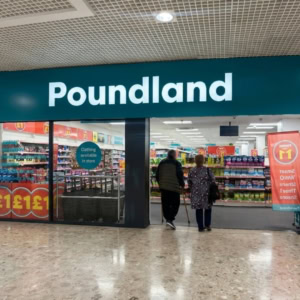
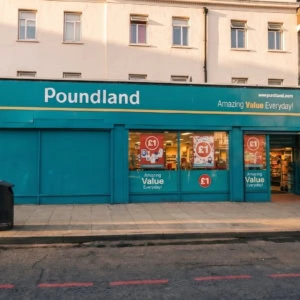
Poundland went into administration on 25 November, after its owner Gordon Brothers failed to agree a solvent sale. Clare Kennedy, Daniel Imison and Kevin Wall of AlixPartners were appointed joint administrators. They are keeping the chain’s roughly 600 shops in the UK and Ireland open while they look for buyers, and about 11,000 jobs depend on the result.
Sources quoted by Bloomberg say suppliers have been asking Poundstretcher to pay faster, or straight away, since Poundland’s problems became public, and that a large clearance sale of Poundland stock would squeeze it further.
Good to know
Poundland is now run by administrators, who are licensed insolvency practitioners acting for creditors as a whole, and who can sell the business in one piece or in parts. Poundstretcher went through a different procedure in June: its restructuring plan was approved by the court while the company kept trading under its own management.
Who is looking at the Poundland estate
The administrators have opened the door to offers for any part of the business. “We would encourage anybody interested in acquiring the business in part or as a whole, as well as UK retail operators with open employment opportunities, to contact the administrators,” a spokesperson for AlixPartners said.
Xyra Group Holdings, one of four bidders in talks before the collapse, told City AM on 26 November that it would now “engage with the administrators”. Its bid is led by Tony Brown, who previously worked at Beales, BHS and Peacocks. Fortress had looked at Poundland too: it was interested in up to 250 of its shops, according to This is Money, then withdrew in October, according to Sky News. Separately, One Beyond said earlier this month that it was in talks over Poundland sites, as part of a plan to grow from 120 to 200 stores within 18 months.
Around 900 discount shops waiting on new owners
Between them, Poundland and Poundstretcher trade from around 900 shops. They are not the only high street business looking for a buyer: Modella Capital has hired advisers to sell TG Jones, the former WH Smith high street chain, with a process expected to start early next year, according to the Telegraph. The Telegraph also points to the cost side, describing discount margins as very thin and exposed to above-inflation rises in the minimum wage.