
Reports ahead of Wednesday’s Budget say the National Living Wage for workers aged 21 and over will rise 3.9% from £12.71 to around £13.20 an hour from April 2027. Younger workers would see the same percentage rise, ending the faster increases of recent years, the Morning Advertiser reported on 27 October 2026.
Chancellor John Healey is expected to confirm the changes alongside the Budget on 28 October. The minimum wage for 18 to 20-year-olds would rise by 3.9% from £10.85 to around £11.27. The National Living Wage is a UK-wide rate, so the change would apply in England, Scotland, Wales and Northern Ireland. The figures remain press reports until the Chancellor speaks.
A slower rise for younger workers
According to the reports, the smaller increase for younger workers would effectively end Labour’s manifesto pledge to bring the youth rate into line with the National Living Wage during this Parliament. Healey has previously acknowledged a trade-off between higher wage rates and employment levels, particularly among younger workers.
The Morning Advertiser reported in August that 981,000 people aged 16 to 24 were not in education, employment or training, equivalent to 13% of the age group. Other outlets rounded the expected rise to about 4%.
How hospitality has responded
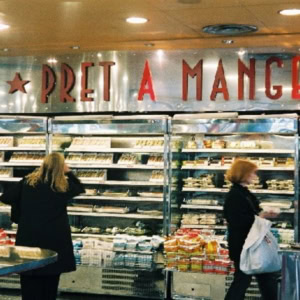
Allen Simpson, chief executive of UKHospitality, said there had been “well placed rumours” that the rate could reach 5.5%, and that the government listening to concerns about jobs was good news. He said employment costs remain too high, a pressure carried by the operator rather than the brand across the fast food franchises in the UK.
The British Institute of Innkeeping warned that employers could no longer absorb continued increases in wage and National Insurance costs. UKHospitality chair Kate Nicholls told The Times that stepping off the accelerator on youth pay was welcome, but that the sector still faced a “double whammy” from wages and employer National Insurance.
Where the sector figures stand
From 1 April 2026 the National Living Wage for workers aged 21 and over is £12.71, with the 18 to 20 rate at £10.85. Restaurant reported that UKHospitality warned businesses would struggle to absorb a further rise in wage costs without government action to reduce the sector’s tax burden. British Beer and Pub Association chief executive Emma McClarkin said the Budget should review employment costs, particularly for under 25s, and warned it would be a “grave mistake” to take the sector’s role in employment for granted. The BII added that some licensees are already working more than 80 hours a week because they cannot afford to recruit.
Good to know
The £13.20 and £11.27 rates are expected figures from press reports, not confirmed rates. Confirmation is expected on 28 October, and the rates would take effect from April 2027.
What comes next
The Budget on 28 October is the point at which the rates, if the reports hold, become official. The MCA Insight report on the same day describes an above-inflation rise. Hospitality bodies have also used the run-up to the Budget to ask for changes to employer National Insurance and wider tax relief for the sector, so the final figures will be read alongside whatever else the Chancellor announces.