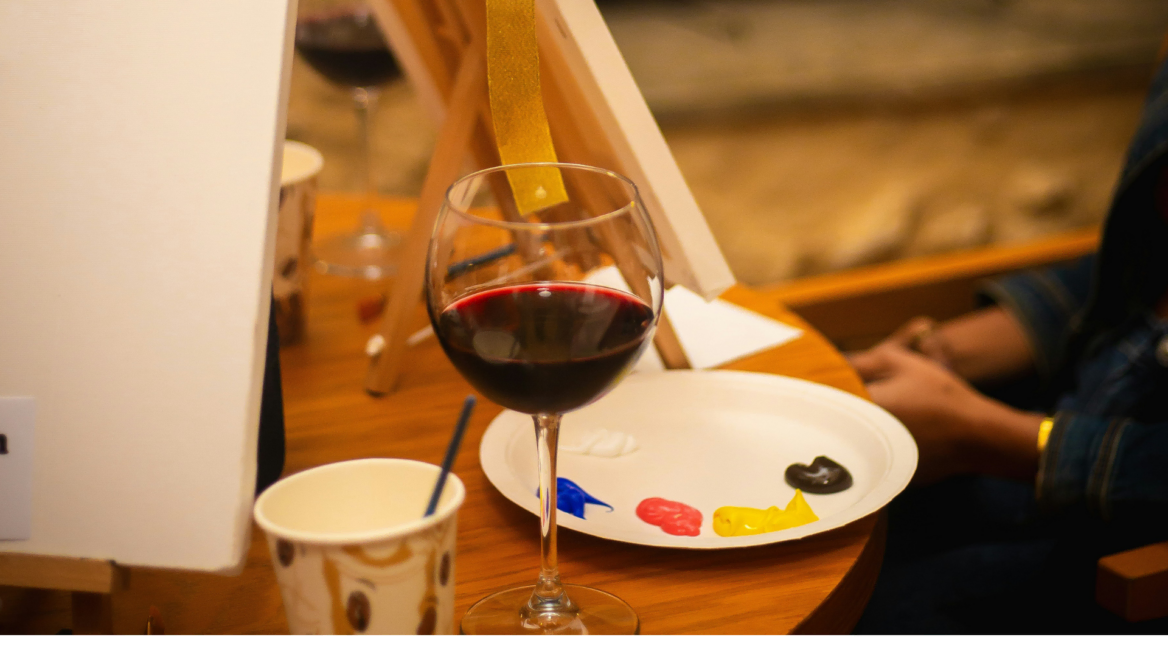

The paint and sip concept turned a night out into a small business category. Studios combine a guided painting class with drinks, and the model now spans independent storefronts, mobile setups, and national paint and sip franchises. Opening one in 2026 involves variables like concept, location, alcohol regulations, equipment, and financing, and each one shapes startup costs. This guide covers what the process typically looks like.
Can Anyone Open a Paint and Sip Business
In most US states, the paint and sip model is open to first-time owners. No specific degree or art credential is required to operate one, and many studios are run by entrepreneurs without a formal painting background. The activity itself is unregulated.
The alcohol component is where the rules tighten. Serving or selling drinks generally triggers state and local licensing, and requirements vary widely. Some operators hold a liquor license; others run on a BYOB basis where staff do not pour. Understanding which rules apply in a given state is a step most owners address before opening.
8 Steps to Open a Paint and Sip Business
The path to opening typically follows a recognizable sequence. Here is how the process to learn how to open a paint and sip business commonly unfolds.
Step 1 – Define the Concept and Target Audience
Studios position themselves in different ways: date nights, corporate team events, kids’ classes, or private parties. Defining the audience early shapes pricing, class formats, and the choice between a fixed studio and a mobile setup that travels to clients.
Step 2 – Create a Business Plan
A business plan is typically the first document lenders and investors request. For a paint and sip, it usually outlines the concept, local market, pricing per seat, staffing, and projected revenue. The US Small Business Administration publishes a free business plan guide that many new owners reference.
Step 3 – Find a Location
Foot traffic, parking, and proximity to restaurants are factors operators commonly cite when evaluating sites. Studio sizes range from intimate rooms seating 20 to spaces holding 50 or more. Monthly rent for a studio commonly runs $2,000 to $4,000, depending on city and square footage.
Step 4 – Secure Permits and Licenses
This step carries the most regulatory weight. Requirements vary by state and municipality, and the alcohol element adds a layer most retail businesses do not face. According to the US Small Business Administration, businesses that serve or sell alcohol generally need federal, state, and local authorization.
Common requirements include:
- Business license and registration : filed at the state and local level
- Employer Identification Number (EIN) : issued by the IRS
- Liquor license or BYOB compliance : rules differ by state; some states limit licenses to beer and wine
- Certificate of occupancy : confirms the space is approved for its use
- Sales tax permit : required where the studio sells goods or tickets
- Alcohol server training : certifications such as BASSET are mandated in some states
Good to know
Alcohol rules are state-specific. In Indiana, for example, paint and sip licenses have been limited to beer and wine, while serving spirits has required a licensed caterer. State alcohol control boards publish the current requirements for each jurisdiction.
Step 5 – Procure Equipment
The equipment list for a paint and sip is relatively contained compared with other hospitality concepts. Core items include easels, canvases, brushes, acrylic paints, aprons, table seating, and a sound system. Art supplies alone commonly account for $3,000 to $7,000 at setup.
- Easels, canvases, brushes, and paints
- Tables, stools, and aprons
- Glassware, a bar area, or BYOB storage
- Point-of-sale and online booking software
Step 6 – Organize Operations and Hire Staff if Necessary
Operations center on scheduling classes, booking private events, and managing instructors. Some owners teach the sessions themselves, while others hire local artists per class. Studios that serve alcohol also factor in staff who hold the relevant server certification.
Step 7 – Launch Marketing
Paint and sip studios rely heavily on social media, local event listings, and group bookings. Many appear in “paint and sip open near me” searches, so a Google Business Profile and an online booking page are common priorities. Initial marketing budgets often range from $2,000 to $5,000.
Step 8 – Open the Paint and Sip
Opening day often takes the form of a launch event, a free community class, or a soft opening for friends and local press. From there, operators build a recurring class calendar and a pipeline of private bookings.
Is It Also Possible to Open a Paint and Sip Business as a Franchise?
Yes. Several established paint and sip franchise models operate across the US, offering a brand, training, and a booking system in exchange for a franchise fee and ongoing royalties. For owners evaluating leading paint and sip franchise brands, the recognized names include:

ArteVino Studio
Create. Socialize. Unwind
- Sports – Leisure
- Liquid capital: $75000
Paint the Town
Create. Connect. Celebrate.
- Sports – Leisure
- Liquid capital: $
Wine & Design
Uncork your creativity.
- Sports – Leisure
- Liquid capital: $
Pinot’s Palette
Paint. Drink. Have fun.
- Sports – Leisure
- Liquid capital: $
How Much Will It Cost to Open a Paint and Sip in 2026 ?
Startup costs depend on whether the studio is independent or franchised, its size, and local rent. The table below outlines the expenses commonly involved in opening an independent paint and sip in the US in 2026.
| Expense | Typical Range |
|---|---|
| Art supplies and easels | $3,000 to $7,000 |
| Furniture and fixtures | $2,000 to $5,000 |
| Studio lease (per month) | $2,000 to $4,000 |
| Licenses and permits (incl. alcohol) | $500 to $2,000+ |
| Website and booking system | $1,000 to $3,000 |
| Initial marketing | $2,000 to $5,000 |
| Working capital (3 to 6 months) | $25,000 to $40,000 |
| Total estimated startup (independent) | $15,000 to $80,000 |
Sources: Starter Story and Bookeo industry guides (2025); working capital benchmark per the US Small Business Administration.
Key factors that affect startup costs include:
- Location and lease terms
- Studio size and buildout
- Licenses, permits, and alcohol compliance
- Equipment and initial inventory
- Staffing and instructor costs
- Branding and marketing
The franchise route changes the math. The next table compares the typical cost structure of an independent studio with a franchised one, where the paint and sip franchise cost includes a franchise fee and ongoing royalties.
| Item | Independent Studio | Franchise |
|---|---|---|
| Initial franchise fee | None | About $25,000 |
| Total startup investment | $15,000 to $80,000 | $69,950 to $305,000 |
| Ongoing royalties | None | Typically a percentage of revenue |
| Brand, training, and booking system | Self-built | Provided by franchisor |
Sources: Franchise Disclosure Documents and official franchise pages for Painting with a Twist, Pinot’s Palette, Wine & Design, and Bottle & Bottega; independent figures per Starter Story and Bookeo (2025).
The Bottom Line
A paint and sip business sits at the intersection of art, hospitality, and events. The concept is accessible to first-time owners, with the alcohol licensing rules forming the most state-specific part of the process. Independent studios commonly open for $15,000 to $80,000, while paint and sip franchises range higher and bundle brand and operational support. Costs, regulations, and outcomes vary by location and circumstance.
This content is provided for informational purposes only and does not constitute legal, tax, financial, or professional advice. Laws and regulations vary by state and individual circumstances and may change over time. Readers should consult a qualified attorney, tax professional, or other licensed professional regarding their specific situation. Nothing herein creates an attorney-client relationship.
FAQs About How to Open a Paint and Sip Business in the U.S.
No. Most paint and sip business owners focus on managing the business rather than teaching classes themselves. You can hire experienced artists or instructors to lead events while you handle marketing, customer service, scheduling, and operations. Strong business and hospitality skills are often more important than professional artistic experience.
Requirements vary by state and municipality. In most cases, you’ll need a business license and may need a certificate of occupancy and health or fire inspections. If you plan to serve alcohol, you’ll also need the appropriate liquor license and may be required to complete alcohol server training (such as BASSET certification in some states). Always check local regulations before opening.
Yes. Many entrepreneurs choose a franchise because it provides an established brand, operating systems, marketing support, and training. Others prefer to launch an independent studio, which offers greater creative freedom but requires building the brand, customer base, and operating procedures from scratch. The right option depends on your budget, business goals, and experience.