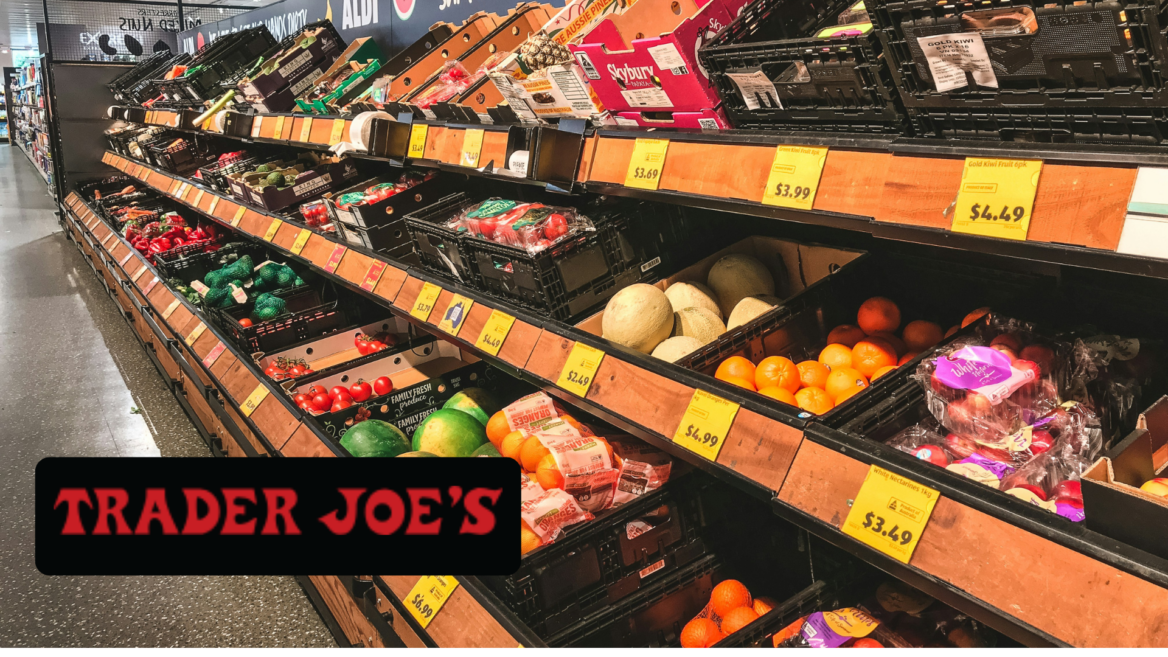

Trader Joe’s ranks among the most recognizable grocery chains in the United States, with more than 600 store locations and a following built on private-label products, competitive prices, and a curated in-store experience. For entrepreneurs drawn to the brand’s model, however, the answer is clear: Trader Joe’s does not offer franchise opportunities. Every store in the chain is company-owned and operated.
Is Trader Joe’s a Franchise Company?
Trader Joe’s does not operate as a franchise system. There is no Franchise Disclosure Document (FDD), no franchise fee, and no application process available to outside investors. The company’s own FAQ confirms it: Trader Joe’s does not offer franchise opportunities to the public.
The chain traces its roots to Pronto Markets, a convenience store concept founded by Joe Coulombe in 1958. The first Trader Joe’s opened in 1967 in Pasadena, California, built around a curated product selection and a distinct brand personality. In 1979, family interests connected to Aldi Nord acquired the company, which has remained privately held ever since. Today, roughly 608 locations operate across the United States, all centrally managed — site selection, merchandising, and staffing are corporate functions, with store employees known as crew members cross-trained across departments.
The brand’s private label-first approach and compact store format (around 10,000 to 15,000 square feet, stocking roughly 4,000 products) are defining characteristics of the model — and of a fully corporate-owned chain, not a franchisable system.
Good to know
Trader Joe’s has never registered a franchise program with the FTC or any state franchise regulator. Any third party claiming to offer a “Trader Joe’s franchise” should be treated as a red flag. Verification is available directly through the company’s official website at traderjoes.com.
Grocery and Supermarket Franchises in the United States
While Trader Joe’s franchise opportunities do not exist, several grocery and specialty food retail brands operate as franchise brands or independent operator programs in the U.S. market. The brands below represent established options in the sector, each with a distinct model and investment profile.

Foodtown
Your Neighborhood Foodtown
- Food and Drink
- Liquid capital: $


Piggly Wiggly
The Self-Service Store That Started It All
- Food and Drink
- Liquid capital: $
Grocery and food retail operations involve significant complexity, including perishable inventory management, food safety compliance, supplier relationships, and competitive pricing against national chains. The investment ranges above reflect general industry benchmarks; current FDD filings and direct contact with each franchisor provide the most accurate and up-to-date figures.
Frequently asked questions about Trader Joe's franchise
No. Trader Joe’s is not a franchise. All stores are owned and operated directly by the company. There is no Franchise Disclosure Document, no franchise fee, and no program available to outside investors. The company confirms this on its official FAQ page.
There is no official Trader Joe’s franchise cost because the company does not franchise. Any figures seen online are speculative. For grocery retail generally, independent store startups in the U.S. are commonly cited in the $500,000 to $2 million+ range, though these figures are not specific to Trader Joe’s.
Trader Joe’s is privately held by family interests connected to Aldi Nord. The company operates independently from Aldi U.S. (which is linked to Aldi Süd). Joe Coulombe, who founded the concept in Pasadena, California, served as CEO until 1988. The company has remained privately held since the 1979 acquisition.
Several brands in the grocery and food retail sector do accept outside operators, including IGA (cooperative membership model), Piggly Wiggly (regional franchise affiliates), and Save-A-Lot (retail partner/license model). Investment ranges vary widely by brand, store size, and geography. Reviewing each brand’s current Franchise Disclosure Document provides the most reliable cost and requirement data.
This content is provided for informational purposes only and does not constitute legal, tax, financial, or professional advice. Laws and regulations vary by state and individual circumstances and may change over time. Readers should consult a qualified attorney, tax professional, or other licensed professional regarding their specific situation. Nothing herein creates an attorney-client relationship.