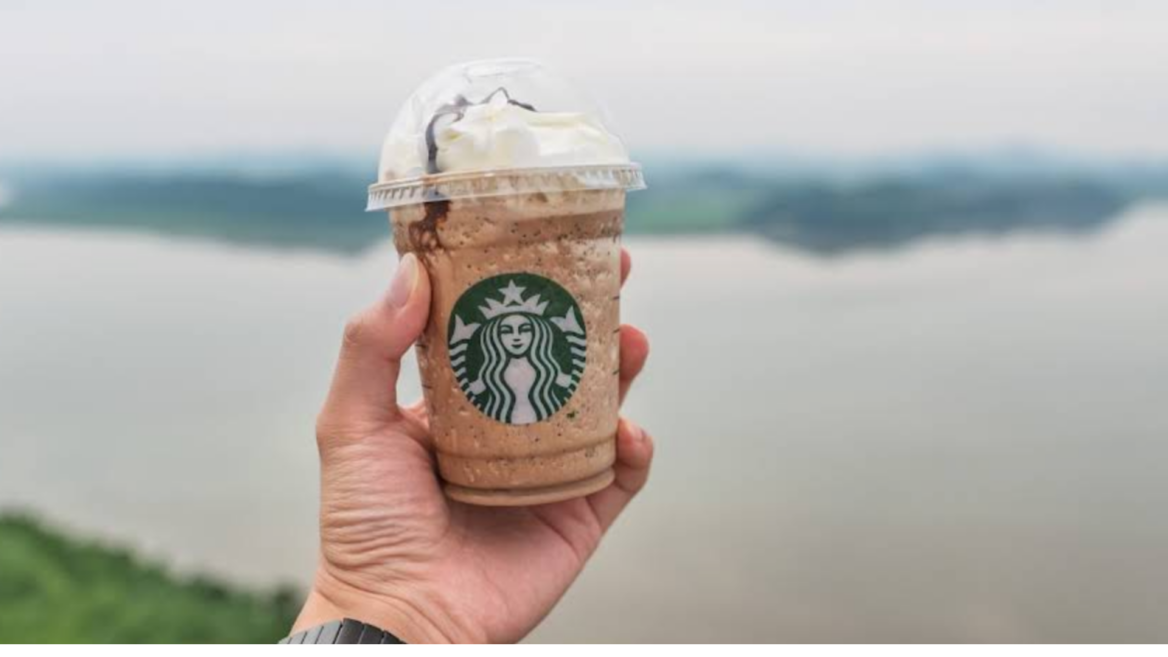

To get a coffee at this Starbucks, you pass through a military checkpoint, board a shuttle, and look out over North Korea. More than 120,000 people have done exactly that since the location opened in November 2024 — making it one of the most-talked-about cafes on the planet
The Aegibong Peace Ecopark in Gimpo, South Korea sits about an hour from Seoul along the Han River — and less than a mile from North Korean territory. The park has existed for years as a quiet observation point. Then Starbucks Korea moved in, and everything changed.
The Starbucks With a View of One of the World’s Most Closed Countries
Customers order at the counter, find a seat, and look across the river at North Korea. That’s it. That’s the draw. And it works.
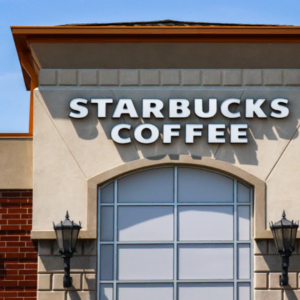
Selfies with the green Starbucks logo in the foreground and the North Korean landscape behind them have circulated across social media since day one. The visual contrast — a global symbol of capitalism, less than a mile from one of the world’s last communist states — has proven irresistible.
Getting there is part of the experience. Visitors book in advance, ride a park-operated shuttle, and clear a checkpoint staffed by South Korean marines. On weekends, around 1,000 people make that trip every single day.
How One Coffee Shop Doubled an Entire Park’s Attendance
Before Starbucks arrived, the Aegibong Peace Ecopark averaged 15,852 visitors per month. After the opening, that figure jumped to 32,379 per month between January and April 2025. The park did not add new attractions. It did not run a marketing campaign. The brand alone drove the change.
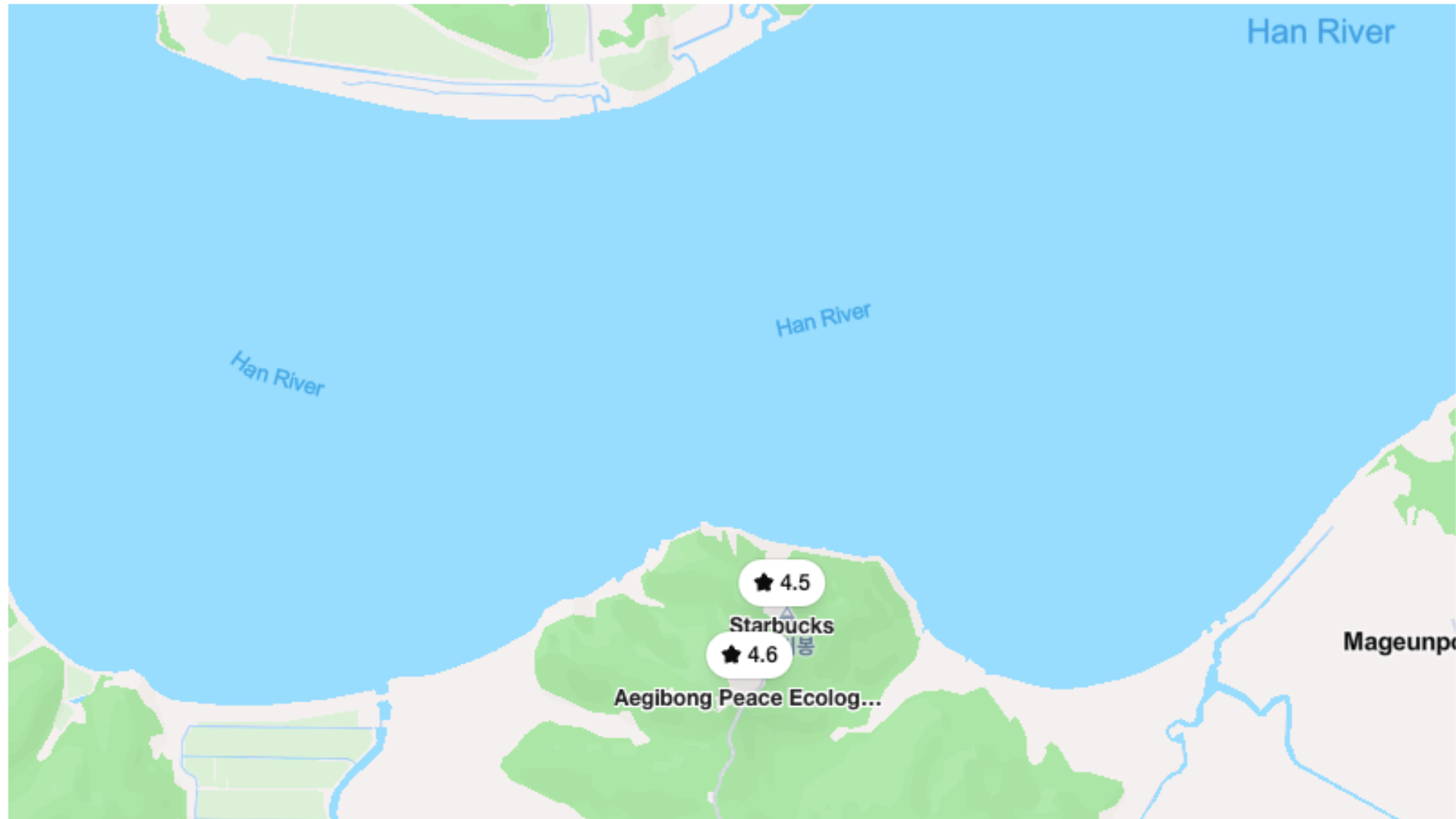
International visitors surged +275% year over year, reaching 56,829 people. Chinese tourists accounted for nearly a third of that total. Visitors came from across Asia, Europe, and the Americas — not for the park, but for the coffee shop with the border view.
Visitors since November 2024 — monthly attendance more than doubled, driven entirely by the Starbucks opening. (Source: AFP / Gimpo Cultural Foundation, July 2026)

International visitors, year over year
56,829 foreign visitors came to the park after the Starbucks opened — nearly triple the prior-year figure. Chinese tourists made up close to one-third. (Source: AFP / Gimpo Cultural Foundation, July 2026)
Can You Open a Starbucks? Here’s the Short Answer
It is a question this story inevitably raises. The answer, based on publicly available information: no. Starbucks does not offer franchise licenses to individual investors in the U.S. or most other markets. Its roughly 17,000 domestic locations operate either as company-owned stores or through licensing deals with large institutional partners — airport operators, grocery chains, hotel groups.
Good to know:
Starbucks Korea is operated by the Shinsegae Group under a licensing agreement — not a franchise. This is the model the company uses in most international markets. Individual franchise applications are not accepted.
A Story That Is Still Growing
The Aegibong location opened eight months ago. It has already generated more international press coverage than most Starbucks stores see in a decade. Visitor numbers continue to climb, and the site shows no signs of losing its pull.
For the food and beverage franchise sector, the story has become a live case study in what a name-brand presence can do to foot traffic — at a location that was accessible and historically significant long before a single cup of coffee was served there. The park was always there. The crowds came with the logo.
This content is provided for informational purposes only and does not constitute legal, tax, financial, or professional advice. Laws and regulations vary by state and individual circumstances and may change over time. Readers should consult a qualified attorney, tax professional, or other licensed professional regarding their specific situation. Nothing herein creates an attorney-client relationship.