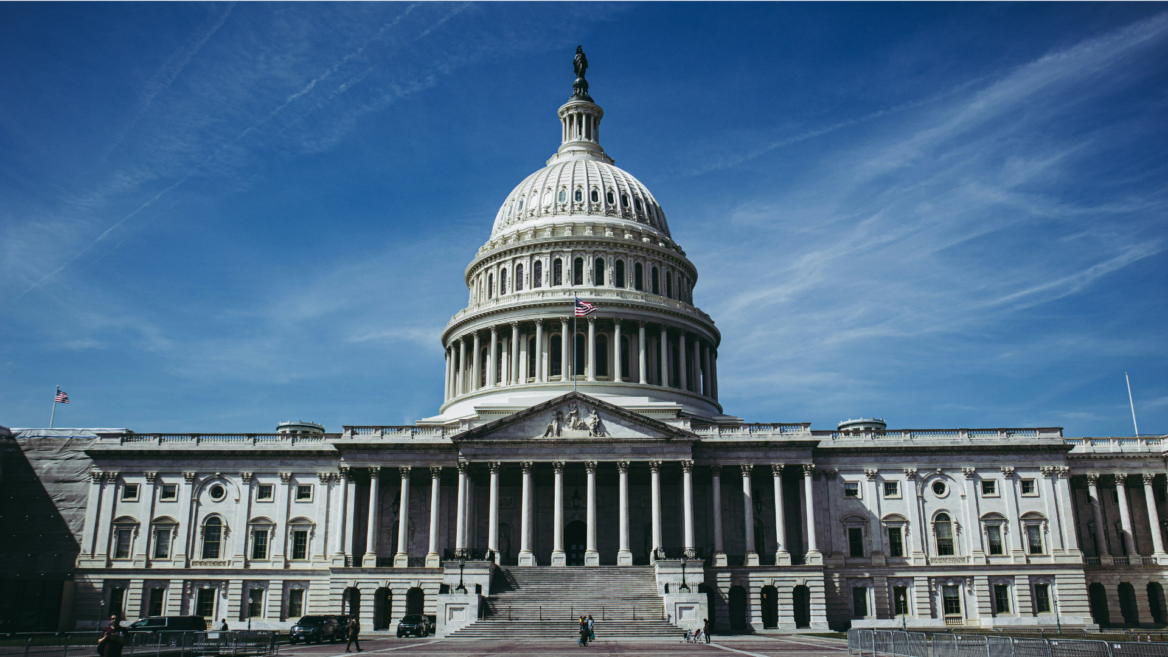

The joint-employer standard has changed four times in the past decade, leaving U.S. franchisors and franchisees navigating persistent legal uncertainty over shared employer liability. On July 22, 2026, the House Education and Workforce Committee voted 23 to 18 to advance the American Franchise Act to the full House of Representatives, bringing the industry closer to a federal statutory definition.
The joint-employer standard determines when a franchisor can be held legally responsible for the labor practices of its franchisees. Under current law, the definition has shifted with successive administrations, creating a regulatory environment that franchise industry groups have long described as unstable. Supporters argue that establishing a consistent federal standard would strengthen the franchise model by providing greater legal certainty for franchisors and franchisees. The American Franchise Act, introduced in the 119th Congress as H.R. 5267, now has 142 bipartisan cosponsors in the House, with companion legislation already introduced in the Senate.
What the American Franchise Act Would Establish
The bill would embed the joint-employer definition directly into federal statute. Under the legislation, a franchisor could only be classified as a joint employer if it “actually exercises substantial, direct, and immediate control” over one or more essential terms and conditions of employment at a franchisee’s location. The formulation represents a higher threshold than interpretations applied under recent regulatory guidance. The International Franchise Association, which has backed the bill since its introduction, issued a statement following the committee vote applauding the advancement and calling on the full House to bring it to a floor vote.
A Standard That Has Shifted Four Times in Ten Years
The joint-employer question sits at the intersection of labor law, franchise regulation, and small business liability. Its definition has been revised by the National Labor Relations Board and Department of Labor under multiple administrations since 2015, each revision prompting legal challenges and operational adjustments across franchise networks. Industry organizations have argued that the lack of a stable statutory definition complicates franchise disclosure documents, raises litigation risk, and makes it harder for prospective franchisees to assess the liability landscape before signing an agreement. A federal law would, in principle, provide a consistent standard across all states regardless of which agency controls enforcement at any given time.
Key figures
142 bipartisan House cosponsors. Committee vote: 23 to 18. A companion bill is pending in the Senate. Full House vote expected after the August recess.
Next Steps in the Legislative Process
The committee vote clears the bill for consideration by the full House floor, which is scheduled to reconvene after the August recess. Passage in the House would then require the Senate to act on its companion bill before any measure could be sent to the President for signature. The timeline for those steps remains uncertain. Industry observers note that similar bills have cleared committee in prior sessions without reaching a final vote, and the legislative calendar is crowded. The bill’s bipartisan sponsorship base is, however, broader than in previous iterations.
This content is provided for informational purposes only and does not constitute legal, tax, financial, or professional advice. Laws and regulations vary by state and individual circumstances and may change over time. Readers should consult a qualified attorney, tax professional, or other licensed professional regarding their specific situation. Nothing herein creates an attorney-client relationship.