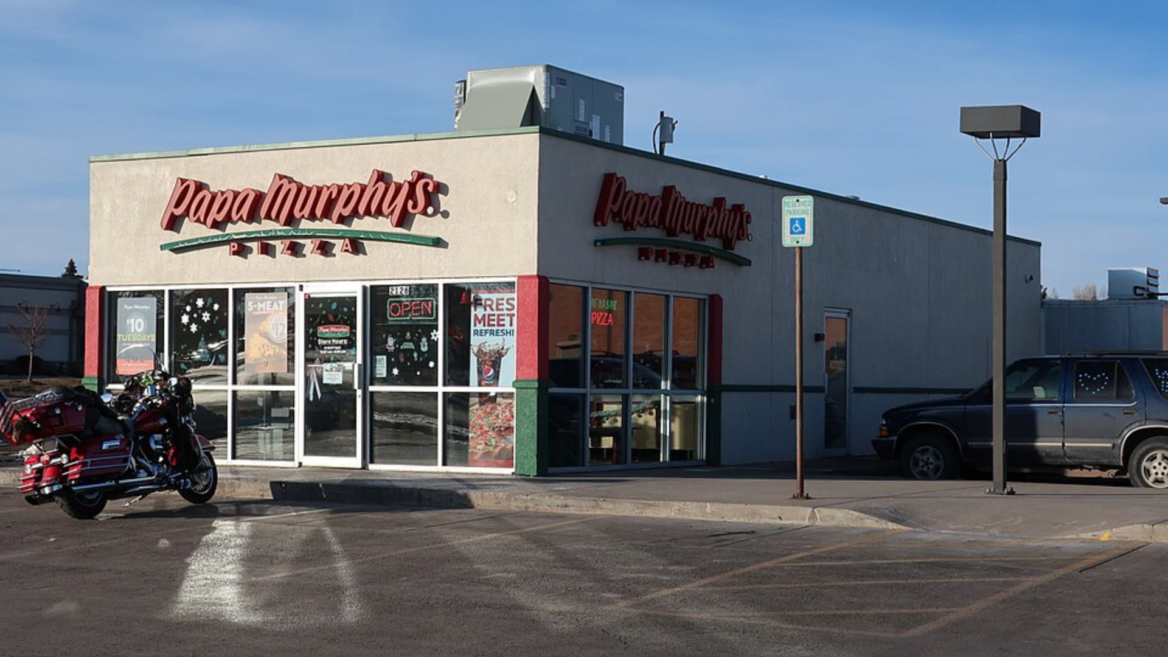

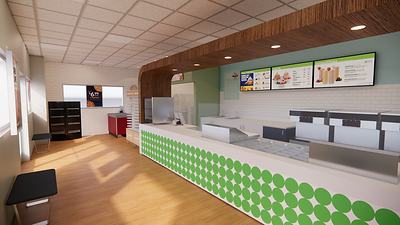
Papa Murphy’s and Pinkberry have signed three co-brand franchise agreements pairing take-and-bake pizza with premium frozen yogurt under a single roof, with locations opening in Oregon, New Mexico, and Utah. The deals mark a deliberate push toward multi-revenue-stream franchise units as operators look for ways to reduce real estate and labor costs without adding a second lease.
The agreements were announced via press release on October 7, 2026. Both franchise brands operate under the portfolio of MTY Food Group, the Canadian multi-concept operator that acquired Papa Murphy’s in 2019. The three agreements span distinct operator profiles: one first-time entrant to both franchise systems, one veteran Papa Murphy’s franchisee who already owns an existing location, and one multi-unit operator adding a co-branded concept to an established footprint. The model allows a single storefront to serve pizza customers in the evening and frozen yogurt guests throughout the day.
Three Operators, Three Markets, One Format
Joshua and Samantha Kimzey are developing the first co-branded location in Sunriver, Oregon, with an opening targeted for early November 2026. Their unit will be the first location in the system for both brands. In Santa Fe, New Mexico, John Perea is adding a Pinkberry operation to a Papa Murphy’s location he has owned since 2010, bringing frozen yogurt to an existing pizza customer base.
In West Haven, Utah, Casey Kauer, who already operates five Papa Murphy’s locations, is building a co-branded unit scheduled to open in summer 2027. Kauer represents the multi-unit expansion profile that the co-brand model is most likely to attract.
The Strategic Logic: Seasonal Offset and Shared Overhead
The commercial rationale for the pairing centers on complementary demand cycles. Take-and-bake pizza tends to see stronger demand in fall and winter, while frozen yogurt traffic is concentrated in spring and summer. “
The two brands pair well together and also offset each other seasonally,” said Ray Zandi, Vice President of US Development at MTY Food Group, in the announcement. Franchisee John Perea cited the same factor: “The seasonality is what made this opportunity stand out to us.” Zandi also mentioned the potential to combine Papa Murphy’s with other lighter-format concepts, including sweetFrog, pointing to a broader co-brand strategy within the MTY portfolio.
Good to know
Co-brand franchise agreements typically involve separate franchise agreements for each concept, each with its own disclosure document, fees, royalty structure, and operational requirements. The shared location and staffing model can reduce per-unit overhead, but operators generally remain subject to the obligations of both franchisors. The Perea location in Santa Fe will employ eight to ten team members, according to the franchisee.
Co-Branding as a Broader Franchise Trend
The Papa Murphy’s and Pinkberry deals are part of an accelerating pattern across QSR and fast-casual franchising. Multi-concept combinations, where two or more brands share a kitchen, counter space, and labor pool, have appeared at Yum! Brands outlets, at convenience store chains integrating food-service brands, and at regional operators seeking to maximize revenue per square foot in high-rent markets.
The appeal is operational: one lease, one set of utilities, one management team. The complexity lies in satisfying the operational standards of two distinct franchise systems simultaneously. For existing franchisees considering the model, industry observers note that approval from both franchisors is typically required before any co-brand development agreement is signed.
What Comes Next for the Co-Brand Program
With three agreements in place across three states, the co-brand format remains in an early-stage rollout for Papa Murphy’s and Pinkberry. The Sunriver, Oregon location is the first to open under the combined banner, expected in November 2026.
How consumer reception in those initial markets shapes the next round of development agreements will likely determine whether MTY Food Group broadens the program to additional operators in its Papa Murphy’s network. The brand currently operates across multiple US states as a take-and-bake concept with no in-store dining, a format that already relies heavily on labor efficiency, making the co-brand addition a natural fit for operators already running lean operations.
This content is provided for informational purposes only and does not constitute legal, tax, financial, or professional advice. Laws and regulations vary by state and individual circumstances and may change over time. Readers should consult a qualified attorney, tax professional, or other licensed professional regarding their specific situation. Nothing herein creates an attorney-client relationship.