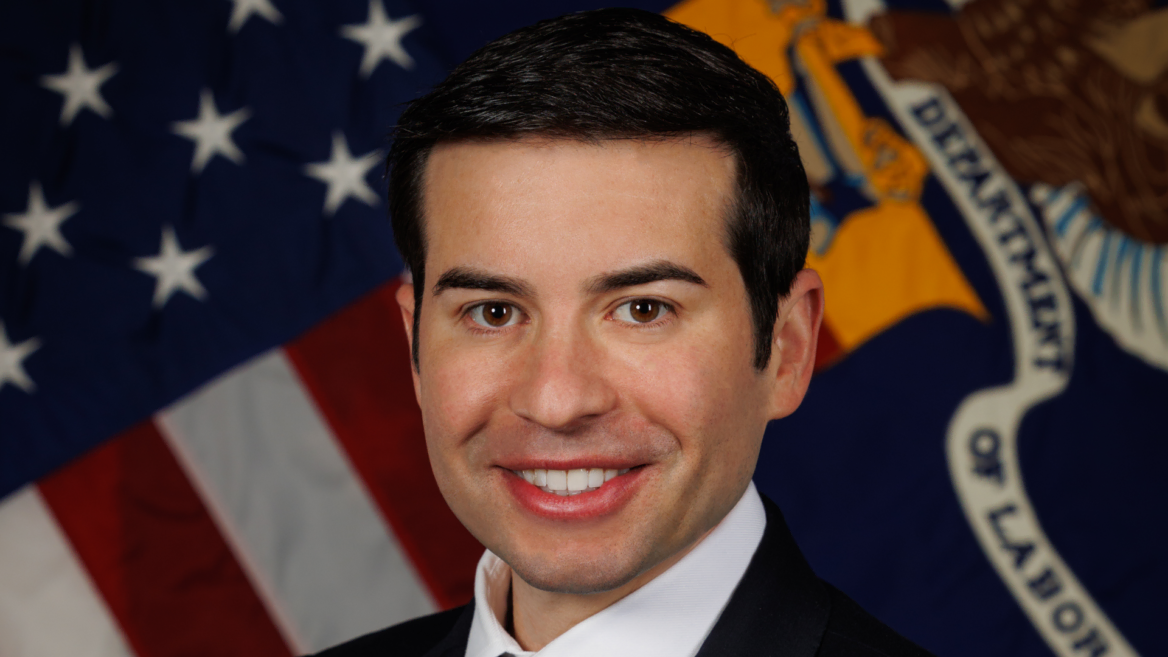

The US Senate confirmed Keith Sonderling as the 31st Secretary of Labor on September 30, 2026, in a 47-41 vote, ending a six-month period in which he had served in an acting capacity after his predecessor resigned in April. The confirmation marks a significant moment for the franchise industry, which has organized around his tenure to advance a federal joint employer standard designed to limit franchisor liability for the employment decisions of independent operators.
Keith Sonderling previously served as a commissioner at the Equal Employment Opportunity Commission before being confirmed as Deputy Secretary of Labor in March 2025. He began leading the Department of Labor in an acting capacity in April 2026, after Secretary Lori Chavez-DeRemer resigned. His six months as acting head of the department have been closely followed by franchise industry groups, which publicly praised his confirmation. The franchise industry’s primary concern over the past decade has been the definition and enforcement of joint employer status under federal labor law.
The April 2026 Joint Employer Rule and What It Changed
In April 2026, the Department of Labor under Sonderling’s leadership issued a joint employer rule establishing a “direct and meaningful control” test as the standard for determining when a franchisor shares employer status with a franchisee. Under this standard, a franchisor is not automatically a joint employer of its franchisees’ workers; a finding of joint employer status requires evidence that the franchisor directly and meaningfully controls essential employment conditions such as pay, scheduling, and hiring decisions.
The previous regulatory pendulum had swung between broader and narrower interpretations across successive administrations, creating what the IFA has described as “regulatory whiplash” for franchise networks structuring their operations and franchise agreements.
The American Franchise Act: A Legislative Effort to Lock in the Standard
The IFA is actively pursuing the American Franchise Act (AFA), a bipartisan legislative proposal that would codify the “direct and meaningful control” joint employer standard into federal statute. The organization’s argument is that a regulatory rule, however clearly written, can be reversed by a subsequent administration.
Embedding the standard in federal law would create a more durable protection for franchisors and franchisees operating under the assumption that the relationship between the two parties does not automatically create joint employment. The AFA has not yet passed either chamber of Congress as of the date of this article.
Opposition in Congress: Senator Markey’s Comment Letter
The joint employer rule is not without organized opposition. On June 22, 2026, Senator Edward Markey (D-Massachusetts) filed a formal opposition letter challenging the April 2026 rule during its public comment period. The letter argued that the “direct and meaningful control” standard narrows worker protections by making it harder for employees at franchise locations to hold parent brands accountable for employment conditions.
No franchise trade publication had reported both the IFA’s praise of the rule and the Markey letter in the same article at the time of this publication. Sonderling’s confirmation now ensures the rule remains active under a confirmed cabinet secretary, though the legal and legislative challenges to both the rule and the American Franchise Act are expected to continue.
This content is provided for informational purposes only and does not constitute legal, tax, financial, or professional advice. Laws and regulations vary by state and individual circumstances and may change over time. Readers should consult a qualified attorney, tax professional, or other licensed professional regarding their specific situation. Nothing herein creates an attorney-client relationship.