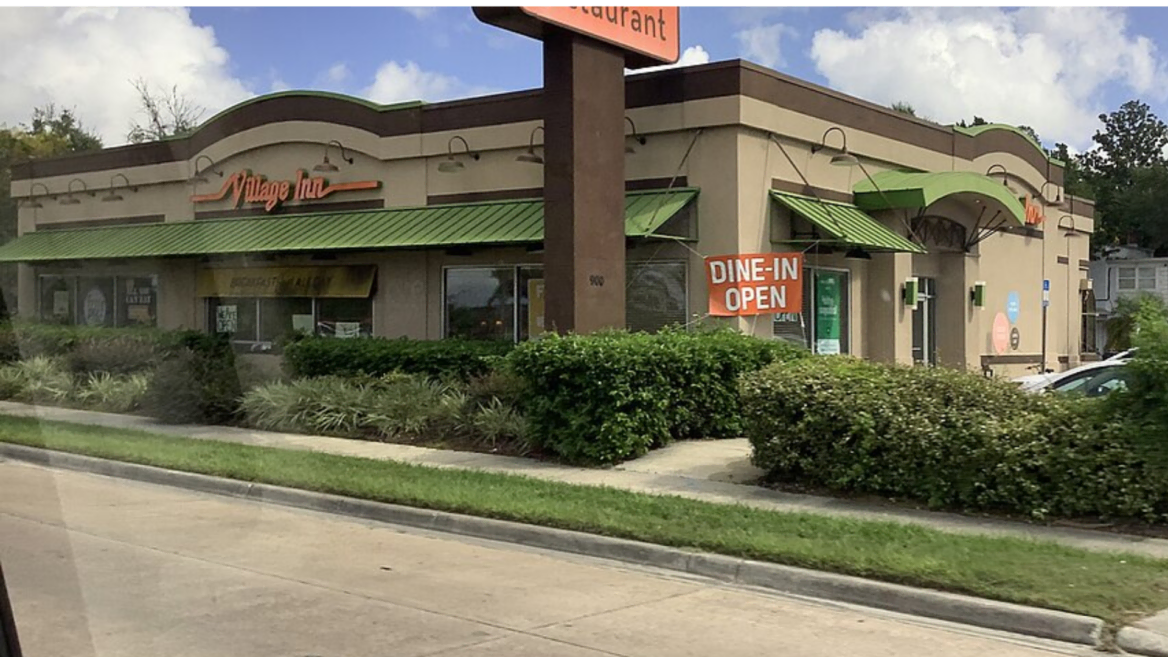

A Village Inn location in Oldsmar, Florida filed for Chapter 11 bankruptcy on September 18, 2026, marking the fifth such filing by franchisees managed by Lloyd D. Lehan IV since June of this year. The Oldsmar filing lists liabilities of $554,076 against assets of $72,335, and cites hurricane damage, falling sales, and rising costs as contributing factors.
Franchise brand Village Inn was founded in 1958 in Denver as Village Inn Pancake House and operates as a family dining chain with locations concentrated in the South and Midwest. The filing in Oldsmar was made by VI Oldsmar LLC, whose managing member is Lloyd D. Lehan IV.
Court documents list the Florida Department of Revenue owed $120,400, the IRS owed $78,500, food distributor US Foods owed approximately $40,301, and Sysco owed $30,000, with a single private creditor, 3682 JAGS LLC, accounting for $250,000 of the total liabilities.
Five Filings in Four Months Across the Tampa Bay Region
The Oldsmar case is part of a pattern. Lehan-managed Village Inn entities have filed Chapter 11 at least five times since June 2026, including a Bay Pines location in Seminole, Florida. The filings share overlapping creditors and cite similar causes: the lingering impact of the 2024 hurricanes that struck the Tampa Bay area, combined with reduced foot traffic and higher operating costs.
The Oldsmar restaurant has not announced a closure and remains open during the restructuring proceedings. Chapter 11 allows a business to continue operations while reorganizing its debts under court supervision.
Chapter 11 filings by Lehan-managed Village Inn entities since June 2026
The Oldsmar, Florida filing on September 18, 2026 is the fifth case linked to managing member Lloyd D. Lehan IV in less than four months, all concentrated in the Tampa Bay area.
Hurricane Damage, Rising Costs, and Declining Restaurant Sales
Court documents describe a combination of structural and cyclical pressures. The 2024 hurricane season caused physical and financial disruption across the Tampa Bay area, and several Village Inn locations in the region have reported sustained revenue shortfalls in subsequent quarters.
Rising food and labor costs, a trend documented across the casual and family dining segments nationally, have added to the strain. The Oldsmar filing shows a highly leveraged balance sheet: assets cover only 13% of total liabilities, a ratio that makes reorganization a complex undertaking without additional capital or creditor concessions.
A Broader Pattern in the Family Dining Segment
The Village Inn filings are part of a wider wave of distress affecting mid-tier family dining franchisees. Rising ingredient costs, a persistent decline in casual dining traffic among younger consumers, and post-hurricane recovery costs have put pressure on operators across Florida and the broader Southeast.
Breakfast and family dining chains have recorded some of the sector’s most frequent bankruptcy filings in the first nine months of 2026, according to industry data tracked by Nation’s Restaurant News and Franchise Times. Village Inn’s parent entity has not issued a public statement on the Lehan filings or on broader franchise system health.
What the Proceedings Mean for the Oldsmar Location
The Oldsmar Village Inn continues to serve customers as of the filing date. Chapter 11 proceedings give the debtor an automatic stay on most collection actions, including eviction and asset seizure, while a reorganization plan is prepared. The timeline for resolution varies: straightforward cases can conclude in several months, while contested proceedings with multiple creditor classes may extend considerably longer. No sale, closure, or restructuring plan has been announced for the Oldsmar location as of September 29, 2026.
This content is provided for informational purposes only and does not constitute legal, tax, financial, or professional advice. Laws and regulations vary by state and individual circumstances and may change over time. Readers should consult a qualified attorney, tax professional, or other licensed professional regarding their specific situation. Nothing herein creates an attorney-client relationship.