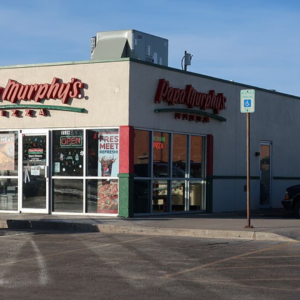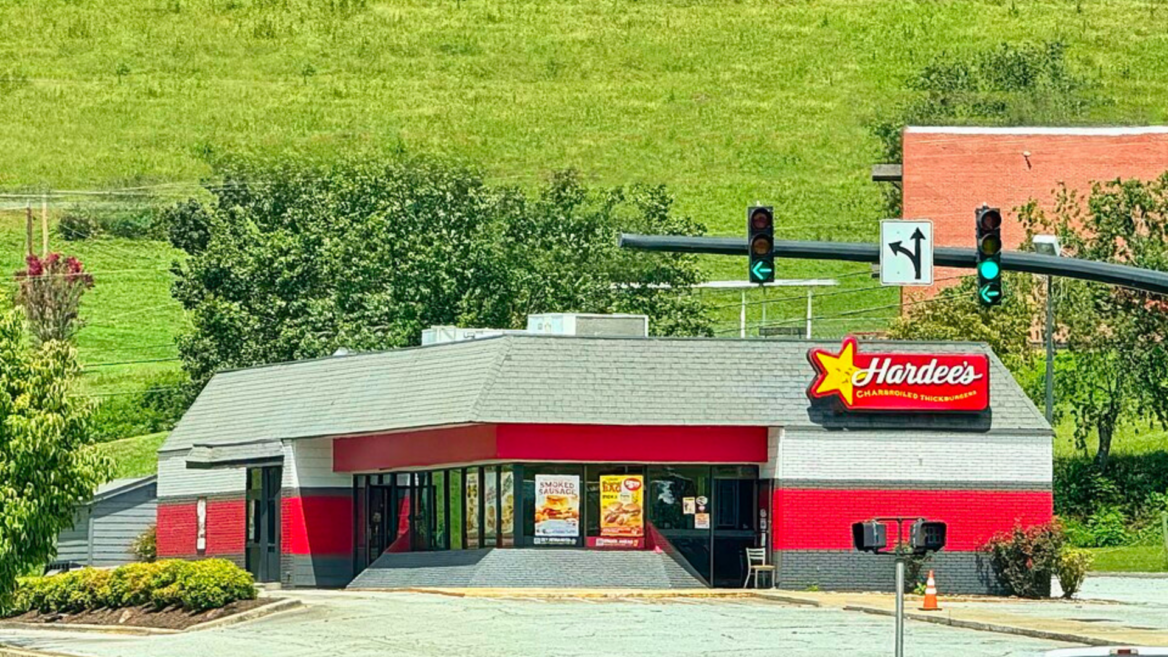

Two franchisee bankruptcies are drawing attention to the financial stress gripping QSR operators in mid-2026. Superior Star, a 59-unit Hardee’s franchisee, filed for Chapter 11 protection on July 9 after a 2023 acquisition saddled it with hidden liabilities. Separately, Sailormen, which operated 136 Popeyes restaurants under the franchise brand’s proven franchise model across Florida and Georgia, completed court-approved asset sales in June following its January bankruptcy filing.
Franchisee bankruptcies across the quick-service restaurant sector have accelerated in 2026. Operators of brands including Carl’s Jr., Applebee’s, Farmer Boys and Domino’s have also sought court protection this year, according to Franchise Times. The pressures most commonly cited include post-pandemic food cost inflation, higher borrowing costs, and aging restaurant portfolios that require capital-intensive renovations at a time when same-store traffic has softened in value-focused segments.
Superior Star Cites Hidden Liabilities from Its 2023 Acquisition
Superior Star filed for Chapter 11 on July 9 in the U.S. Bankruptcy Court for the Western District of Kentucky. The Midwestern operator purchased 93 Hardee’s restaurants from fellow franchisee Starcorp in 2023 for approximately $13 million, then invested an additional $6 million in renovations. It closed roughly 30 stores before the bankruptcy filing, leaving a portfolio of 59 units. The company reported $80 million in revenue for 2025 across those remaining locations, with an average unit volume of $1.36 million.
Superior Star’s failure to meet state sales tax obligations in several states led authorities to levy its bank accounts, a development the filing describes as a “severe strain” on cash flow and the immediate catalyst for seeking court protection. The company lists between $10 million and $50 million in both assets and liabilities. Its largest unsecured claim is a disputed $7.04 million seller note owed to Starcorp. Through Chapter 11 reorganization, Bonfiglio said he believes the group can emerge as a financially viable Hardee’s operator. A Hardee’s representative stated that Superior Star’s decision to file “is based on its own specific financial and business circumstances,” adding that the brand remains focused on strengthening its system overall.
Sailormen Sells 97 Popeyes Locations After January Bankruptcy
Miami-based Sailormen, which had operated 136 Popeyes restaurants across Florida and Georgia, filed for Chapter 11 on January 15 in the U.S. Bankruptcy Court for the Southern District of Florida. The company reported liabilities of more than $342 million and a net operating loss of nearly $19 million for the prior year. The filing traced many difficulties to a 2023 agreement to sell 16 Georgia restaurants to a buyer called Tar Heels Spice, a deal that fell through when Tar Heels failed to meet its obligations, forcing Sailormen to cover payroll, rent and vendor payments directly.
In June, the bankruptcy court approved the sale of 97 of Sailormen’s restaurants to multiple buyers. Restaurant Brands International (Popeyes’ parent) acquired 16 Miami locations for $9.6 million. Pulse Restaurant Group purchased 50 stores, mostly in northern Florida, for $2.7 million. RFI Ventures agreed to buy 23 Orlando stores for $2.5 million. Smaller packages in Savannah, Georgia, and West Palm Beach went to two additional buyers. The court-supervised sales mark a significant step toward winding down the Sailormen estate.
A Pattern Taking Shape Across the QSR Sector
The Superior Star and Sailormen cases are part of a broader pattern that has extended across multiple brands in 2026. A 65-unit Carl’s Jr. franchisee, a 53-unit Applebee’s operator in Georgia, a 12-unit Farmer Boys group and a California Domino’s operator have all sought bankruptcy protection this year. Hardee’s system-wide unit count stood at 1,485 locations as of January 2026, down 86 year over year from a starting point of 1,707 at the beginning of fiscal year 2024, according to the brand’s franchise disclosure document. The trend reflects challenges that have compounded since the pandemic era: tighter consumer spending, increased food and labor costs, and deferred capital investment in aging store assets that operators bought at the height of franchise M&A activity.
This content is provided for informational purposes only and does not constitute legal, tax, financial, or professional advice. Laws and regulations vary by state and individual circumstances and may change over time. Readers should consult a qualified attorney, tax professional, or other licensed professional regarding their specific situation. Nothing herein creates an attorney-client relationship.