


Open a Food - Drink Franchise
Food - Drink Franchises Listing
Reset filters
filter
Personal Contribution
- < £5 000
- £5 000 - £10 000
- £10 000 - £25 000
- £25 000 - £50 000
- > £50 000
Deselect
Sort By
- Most recent sign
- Oldest franchise
- Lowest personal contribution
- Largest personal contribution
- No franchise found, try another search.
Questions about food and drink franchises
How much does a food and drink franchise cost in the UK?
Budgets vary widely: a coffee van, kiosk or delivery kitchen needs a modest investment, while a restaurant or drive-thru needs a large one. Each listing on this page shows the personal contribution required by the franchisor.
What types of food and drink franchise are there?
The main types are restaurants, quick service and takeaway brands, cafés, coffee shops and bakeries, food and drink retail, and small formats such as kiosks, vans and delivery kitchens.
Do I need catering experience to open a food franchise?
Not always. Many franchisors recruit people from outside hospitality and provide full training in food preparation, food safety and management. Experience of running a team and managing costs is often valued as much.
What registrations does a food business need?
Every food business must register with its local authority at least 28 days before trading and follow a food safety management system. Selling alcohol or late-night hot food also requires a premises licence in England and Wales.
What fees does a food and drink franchise charge?
Most networks charge an initial franchise fee, then ongoing fees as a percentage of turnover plus a marketing contribution, and require purchases from approved suppliers. These terms are set out in the franchise agreement.
How do I choose the right food and drink franchise?
Compare formats, investment and working hours, visit sites in the network, speak to franchisees about costs and break-even time, and check whether the brand is a member of the British Franchise Association.
Food and drink franchises in the UK
Food and drink is the largest and most visible sector in UK franchising. From coffee shops and bakeries to burger restaurants, pizza takeaways and specialist food shops, franchised brands are found on almost every high street, retail park and railway station in the country. This category brings together the food and drink franchises recruiting in the UK, across restaurants, takeaways, cafés and food retail. Each listing shows the personal contribution the franchisor asks for, so you can compare opportunities by budget.
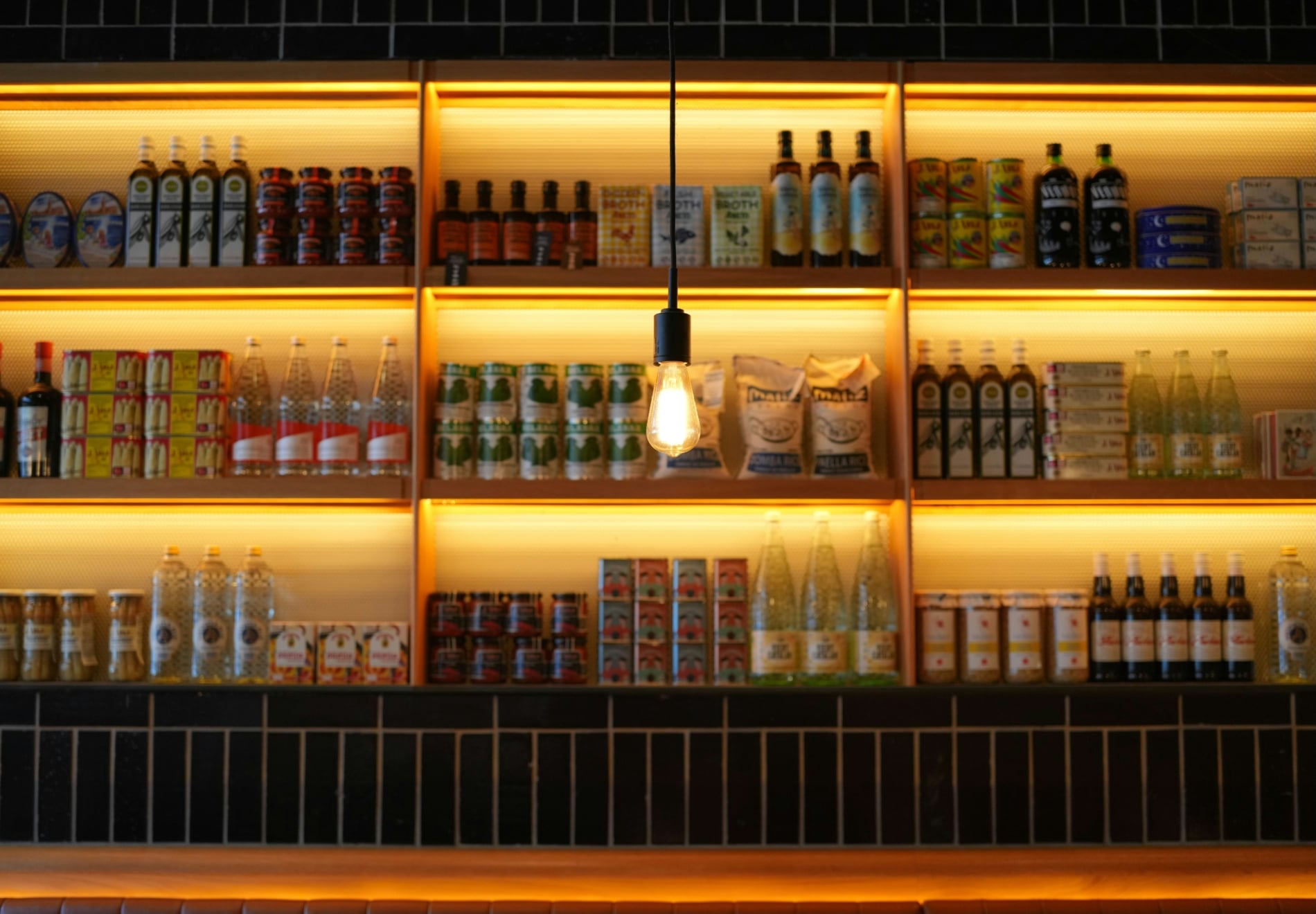
The main food and drink franchise formats
The sector covers very different businesses, with different hours, staffing and investment:
- Restaurants: eat-in venues with table service, from casual dining to themed concepts, with evening and weekend trade.
- Quick service and takeaway: burgers, chicken, pizza and world food, with counter ordering and a large delivery trade.
- Cafés, coffee and bakery: breakfast and lunch trade, hot drinks, baked goods and grab-and-go food.
- Food and drink retail: chocolate shops, wine and beer shops, convenience and specialist food stores.
- Kiosks, vans and delivery kitchens: lower-cost formats with a small footprint or no dining area at all.
Why choose a food and drink franchise?
Independent food businesses face high start-up costs and fierce competition. A franchise gives you a menu and recipes that already sell, a brand that customers recognise and search for on delivery apps, a supply chain with negotiated prices, a tested shop or kitchen design, training, operating manuals and marketing. For first-time owners, these systems reduce the risk of the mistakes that close many independent restaurants in their first years.
In return, you pay an initial franchise fee and ongoing fees, usually a percentage of turnover plus a marketing contribution, and you buy from approved suppliers. There is no franchise statute in the UK: the franchise agreement is governed by general contract law, so ask a specialist franchise solicitor to review it before you sign.
How much does a food and drink franchise cost?
Budgets vary more in this sector than in any other. A coffee van, kiosk or delivery kitchen can start with a modest budget, while a full restaurant or drive-thru requires a large investment. When comparing brands, check what the total includes:
- the initial franchise fee and training;
- the fit-out, kitchen equipment and extraction;
- furniture, signage, EPoS and opening stock;
- the lease, rent deposit and legal fees;
- working capital to cover the first months of trading.
Rules that apply to food and drink businesses
Food safety
Every food business must register with its local authority at least 28 days before trading, follow a food safety management system based on HACCP principles and will receive a food hygiene rating after inspection. Allergen information must be available for all food, and food prepacked for direct sale needs a full ingredients label under Natasha’s Law.
Planning and licensing
In England, restaurants, cafés and shops fall within Use Class E, but hot food takeaways and pubs sit outside it and usually need planning permission for a change of use. Selling alcohol, or hot food between 11pm and 5am, requires a premises licence in England and Wales.
Staff
Food businesses depend on staff paid at least the National Minimum Wage or National Living Wage, with right to work checks, rotas and training in food hygiene.
How to choose the right food and drink franchise
Start with the format that fits your budget and the hours you want to work. Eat at several sites in the network, speak to franchisees about food costs, staff costs and break-even time, and check whether the brand is a member of the British Franchise Association. You can then explore restaurant franchises, fast food franchises, coffee franchises, bakery franchises and food delivery franchises.