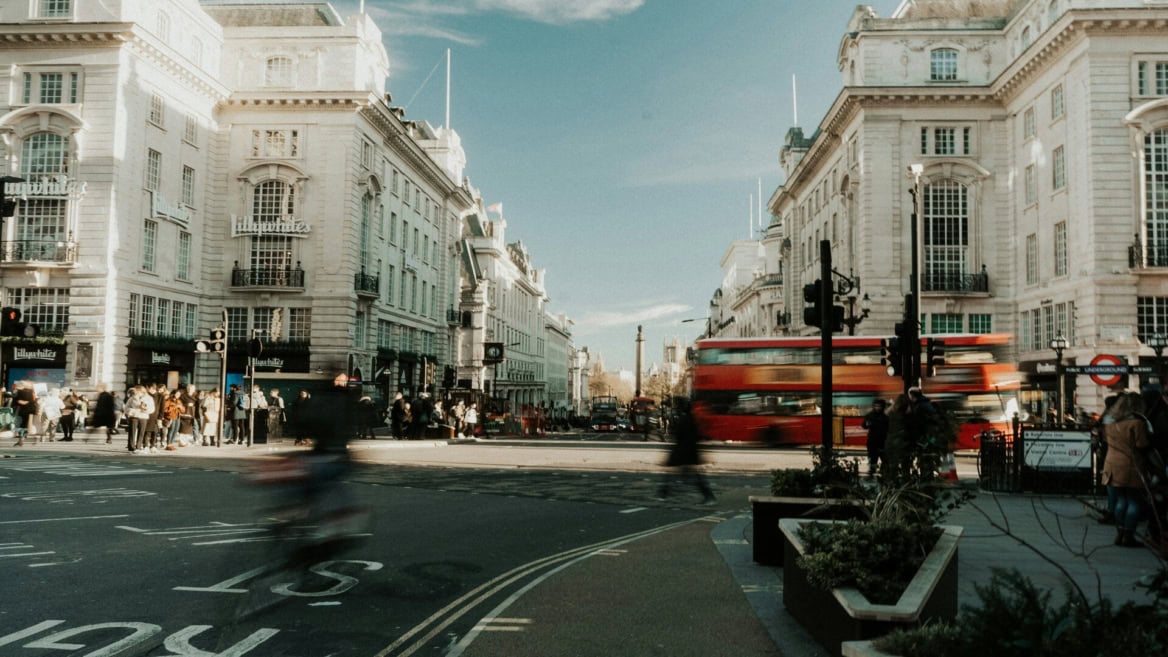

Almost a kilometre of Oxford Street, between Orchard Street and Great Portland Street, became pedestrian-only on 26 October 2026, the first phase of a scheme driven by the mayor of London. Buses, taxis and private cars now avoid a shopping street that FashionNetwork puts at around £3.1 billion of annual spend.
The road to the start date was long. Sadiq Khan made the idea a priority in 2016, and plans stalled in 2017 after Westminster City Council withdrew its support, according to IBTimes. A one-day car-free trial took place in 2025, and a public consultation that year found seven in ten respondents in favour, FashionUnited reports.
Westminster considered a judicial review but confirmed in June that it would not proceed, after legal advice that a challenge was unlikely to succeed. The scheme now sits with the Oxford Street Development Corporation, which has taken on planning responsibilities for the area.
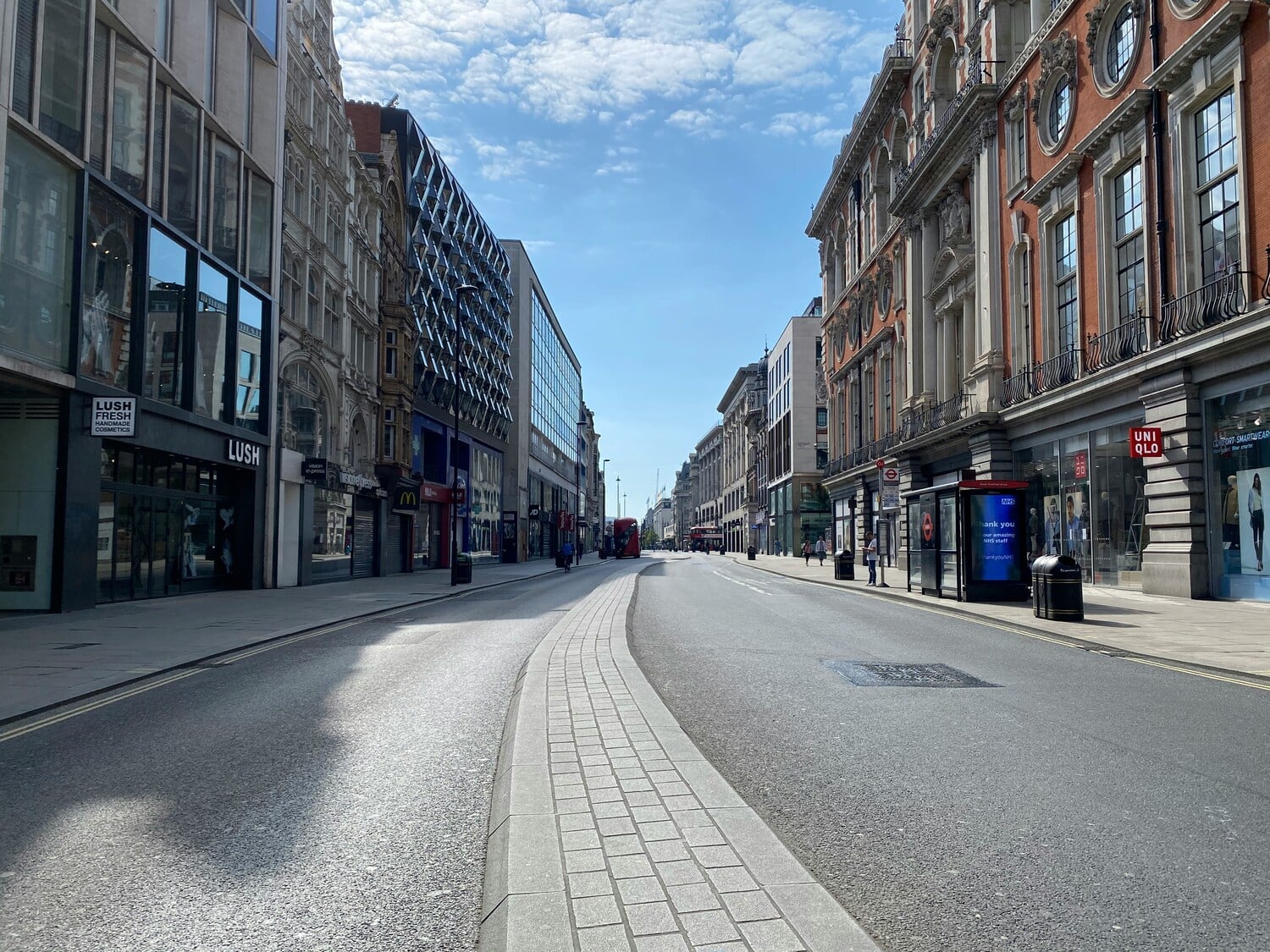
What changes on the street from 26 October
Cars, buses, taxis, private hire vehicles, bicycles, scooters and pedicabs are barred from the pedestrianised section, IBTimes reports. Emergency vehicles keep access at all times, and deliveries and servicing are allowed overnight; FashionNetwork gives the window as midnight to 7am.
Reports differ on crossing traffic: FashionNetwork says vehicles can still pass north and south at certain points, including Oxford Circus, while FashionUnited refers to limited traffic from side streets. Bus routes have changed as well. Councillor Elliot Keck said route 94 will now end at Marble Arch and route 98 will be diverted. On the first morning, cyclists were reportedly asked to dismount by on-site security.
How retailers and Westminster have responded
Dee Corsi, chief executive of the New West End Company, which represents hundreds of businesses in the area, said the pedestrianisation presents “a major opportunity to transform the visitor experience” and added that attention must now turn to delivery. Khan called the start “a truly momentous occasion for the capital”. Westminster City Council has described the project as rushed and warned of more congestion on surrounding roads.
Tim Barnes, deputy leader of the council, told BBC Radio London that there is no step-free access from Oxford Circus Tube station and that the nearest bus stops are around 100 metres from the road. Marylebone residents have also raised fears about displaced traffic.
Why it matters for shops and brands on the street
FashionNetwork reports annual spend on the street of around £3.1 billion, which gives the change its commercial weight for the flagship shops, department stores and restaurants along the route, among them Pop Mart’s new store at 149-151, which opened on 23 October. Khan said the scheme would boost jobs and economic growth and unlock the potential of this part of the West End.
Angela Rayner, secretary of state for housing, communities and local government, said it would attract visitors and investment and support businesses. No footfall or sales figures for the pedestrianised stretch had been published at the time of writing, though footfall is the measure that decides a site for most brands recruiting operators across the UK.
Who runs the scheme
The Oxford Street Development Corporation has taken on planning responsibilities for the designated development area, while the mayor of London has led the project politically.
What comes next on Oxford Street
Work continues into 2027. FashionNetwork says the initial scheme will not be complete until next spring, and IBTimes reports more than 50 new trees and more than 100 new seats expected by the end of spring 2027. The first layout was designed to gather feedback from residents, businesses, visitors and accessibility groups.
In September, FashionUnited reported that Westminster remained concerned about accessibility, bus routes and the effect on residents and businesses, and was exploring other legal and procedural options. Crossing arrangements and delivery hours are the points on which the first reports differ.