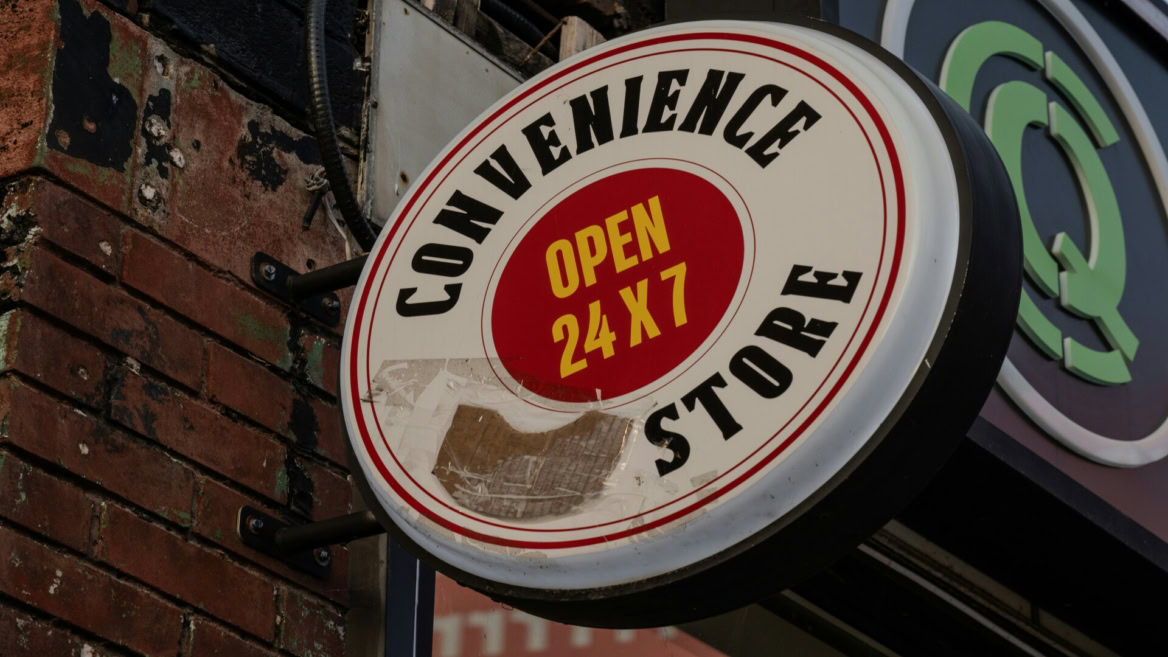

Offers made on UK convenience stores and forecourts rose 26% in the first half of 2026, according to Christie & Co’s latest Retail Market Review. The advisory firm recorded more than 100 sales in the period, around four a week, against a database of over 14,000 registered buyers.
The review, published on 16 September, covers Christie & Co’s convenience and forecourt sectors for the first half of 2026. New buyer registrations reached 1,390 over the period, and the firm said interest is concentrated on businesses with a strong local trading position, several income streams and a clear growth plan. The report also carries an interview with Ed Woodall, chief executive of the Association of Convenience Stores, on the conditions operators are trading under.
Buyer demand outstrips available sites
Steve Rodell, managing director for retail and leisure at Christie & Co, said: “buyer demand continues to outstrip the supply of available opportunities, creating competitive tension when interested parties bid for sites.”
The firm’s review points to well-invested businesses with a strong local presence, several income streams and a clear growth strategy as the ones attracting the most interest from its buyer base, even against a backdrop of high operating costs, labour pressures and regulatory change. Buyers weighing an acquisition against a start-up will find the trade-offs in an in-depth guide to franchising in the United Kingdom.
Why it matters for symbol groups and independents
Christie & Co’s review covers the sale of convenience and forecourt businesses generally, rather than any single fascia or franchise. Many UK convenience shops trade under a symbol group such as SPAR, Premier or Nisa, where the retailer keeps ownership of the shop and signs a supply agreement rather than a franchise.
A smaller number of fascias, including One Stop and Morrisons Daily, are genuinely franchised. A rise in offers on convenience and forecourt sites therefore reflects appetite for the underlying property and business, whichever model the shop trades under.
Good to know
Joining a symbol group is not the same as buying a franchise. SPAR itself describes the difference: unlike a franchise, joining a symbol group does not mean giving up control of the business. The vocabulary around these arrangements is loose, and 10 key terms every UK franchisee should know separate the ones that get used interchangeably.
Trading conditions remain difficult despite demand
The review describes both sectors as adapting despite high operating costs, labour challenges and regulatory pressures, without giving a single figure for how those costs have moved, the same wage floor and rates pressures bearing on the food and drink franchises recruiting in the UK.
Christie & Co has not published a forecast for the second half of 2026, and the review stops at describing current buyer appetite and completed sales rather than projecting where transaction volumes go next. The full report, including the interview with Woodall, is available on Christie & Co’s own site.