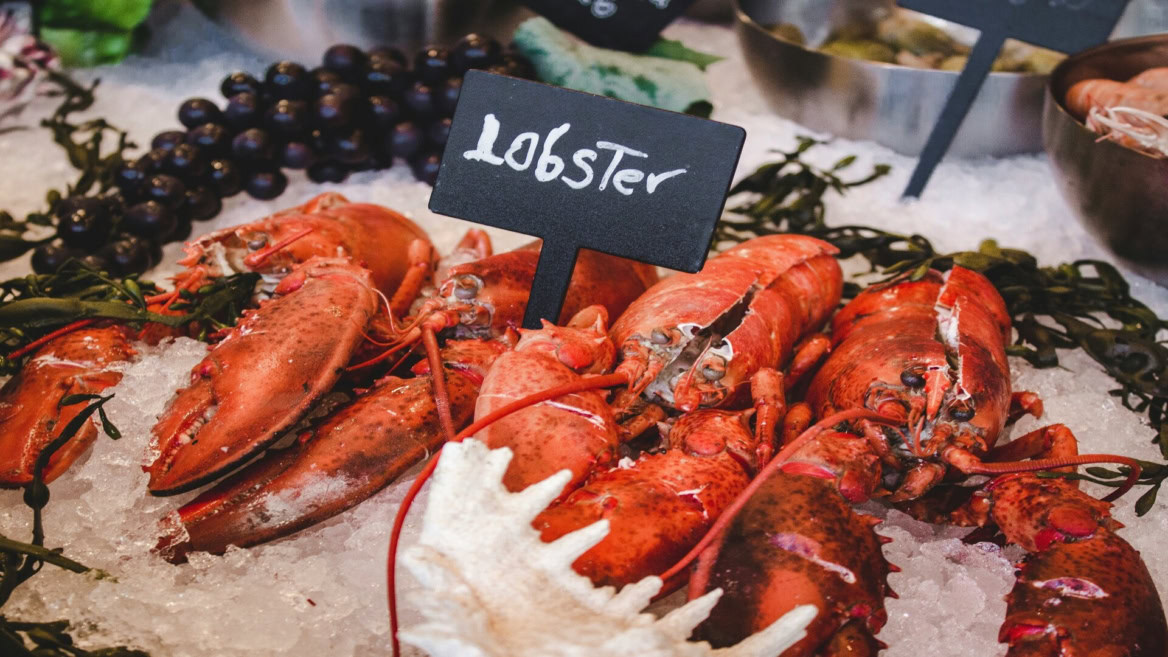

Burger & Lobster fell to a £2.2 million operating loss in the year to 28 December 2025 as turnover slipped to £33.7 million and EBITDA dropped from £3.3 million to £900,000. The group runs 11 restaurants in the UK, ten of them in London, and is weighting growth towards seven overseas sites that the trade reports as franchised.
Burger & Lobster trades from a small London-weighted estate alongside a wholesale lobster supply arm, and the results cover the year to 28 December 2025. The group called the period “a resilient performance given the wider pressures facing the sector”.
Dino Sura became global chief executive in 2025, succeeding Misha Zelman, who remains a non-executive director. The margin pressure is attributed to two things, the cost of opening new restaurants and increases in the National Minimum Wage, which applies UK-wide.
Where the numbers moved
Group turnover eased to £33.7 million from £34.1 million. Within that, restaurant sales fell to £31.1 million from £32.3 million, while the wholesale lobster supply arm grew to £2.6 million from £1.8 million, so the only line moving up was the one that does not involve a dining room.
The sharper movement sits below turnover: EBITDA fell to £900,000 from £3.3 million, a drop of roughly three quarters, and the group recorded a £2.2 million operating loss. A turnover dip of about 1% producing that swing points at costs rather than demand.
Seven overseas sites, and who runs them
The overseas estate is where the group is putting its growth. Restaurant reports seven international sites operating as franchises, three in Malaysia including a new opening in Penang, plus New York, Thailand, the Philippines and Indonesia, with an Istanbul launch in preparation and further franchise territories under discussion.
The brand’s own site lists the same geography, London and Brighton in the UK, then New York, Malaysia, Bangkok, the Philippines, Indonesia and Turkey, but sets out no contractual arrangement for any of them. So the franchised characterisation here comes from the trade press, not from the company.
Good to know
A brand that lists overseas sites on a locations page tells you nothing about how they are held. Franchise, licence, joint venture and management agreement all produce the same shopfront and the same menu, and the UK has no register of franchise agreements to settle which one applies. What separates the four is the franchise agreement itself, and where an overseas partner takes development rights across a whole country the structure is usually a master franchise. Where a company does not publish the arrangement, the honest position is to name the source that called it a franchise rather than to adopt the word as the brand’s own.
Eleven UK restaurants, ten of them in London
In the UK the group trades from 11 restaurants, of which ten are in London and one, Brighton, is the only site outside the capital. Two opened during the period, Brighton and Kensington High Street, and the cost of those openings is among the reasons given for the margin squeeze. One regional site against ten in London is a narrow domestic base, and it is the reason the overseas partners matter more to the growth story than the London estate does.
What comes next
Two figures will show whether the strategy is working. The first is EBITDA, which has to recover from £900,000 before the UK estate can fund anything, and the second is the count of overseas openings, since Istanbul and any further territories arrive through partners rather than through the group’s own capital.
That distinction is the point of the model: franchised growth adds sites without adding fit-out cost, which is the pressure the accounts have just recorded, and it is the difference between a company-operated estate and a franchised one explained in what a franchise is. What the company has not published is the arrangement behind those sites, and until it does the split between owned and partner-operated turnover cannot be read from the outside. Brands recruiting on published terms sit across the restaurant category.