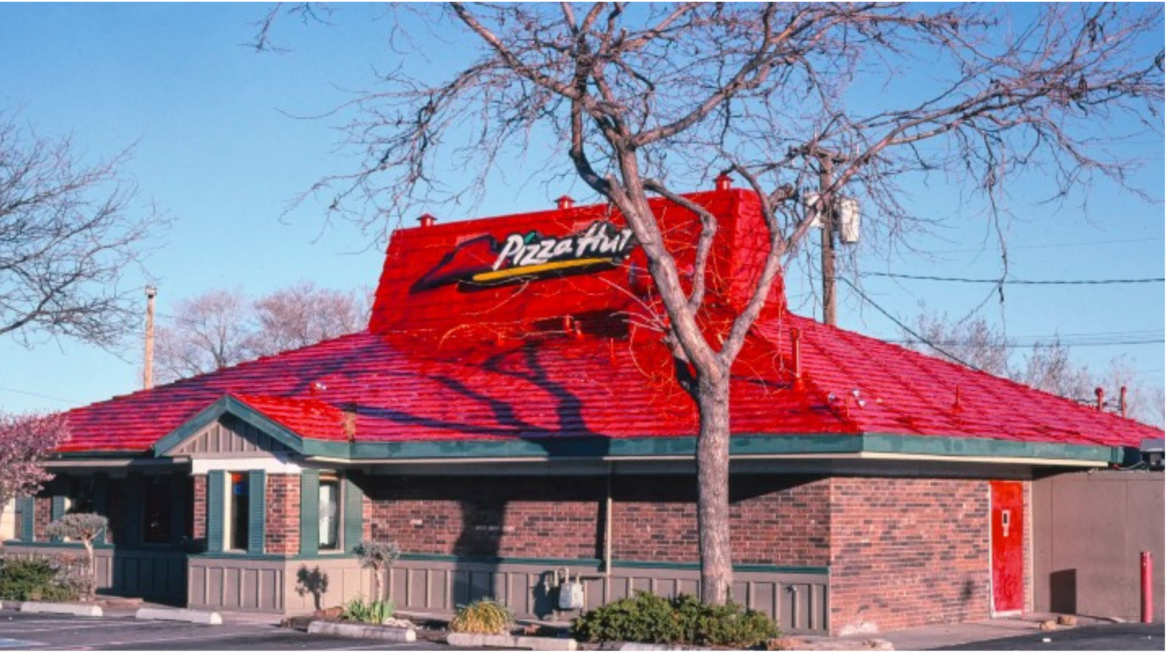

A decade after abandoning its dine-in roots, Pizza Hut is discovering that nostalgia may be one of the most powerful assets of its franchise brand. More than 155 locations across 27 states have converted back to the original red roof format, reviving a franchise concept that resonates with customers and generating TikTok-fueled “pilgrimages” and social media traffic that its $130 million technology-and-delivery transformation never quite produced.
The brand’s parent company, Yum Brands, placed Pizza Hut under strategic review in November 2025 as domestic same-store sales continued to slide, falling 6% in the first quarter of 2026, the tenth consecutive quarterly decline. Against that backdrop, a grassroots movement driven by franchisees has produced some of the most visible organic attention the franchise brand has seen in years. By reconnecting with a franchise concept that evokes strong customer memories, operators are demonstrating how heritage and local engagement can help reignite interest in the system.
Nostalgia as a Franchise Marketing Strategy
The red roof revival is not a corporate-led campaign. It started with franchisee permission granted by Pizza Hut’s parent company for operators whose locations met specific criteria: stores had to be large enough to support dine-in and located in markets with fewer than 7,500 residents. Tim Sparks, president of Daland Corp., which operates 92 Pizza Huts across 11 southeastern states, completed the first two retrofits in January 2018 and found the customer response immediate. He has since converted 38 of his locations. The approach taps into a documented consumer trend: the desire to recreate the emotional experiences of childhood celebrations, family dinners, and community rituals that the sit-down Pizza Hut format once anchored.
Social Media Amplification and the “Pilgrimage” Effect
What began as a franchisee experiment has taken on a life of its own on social platforms. Yum Brands noted in a post on its website that families are traveling from neighboring towns and, in some cases, neighboring states to visit retro-format locations. TikTok and Instagram have served as primary distribution channels for this organic content, with users documenting visits to locations featuring the original Tiffany-style lamps, red booths, and red cups that defined the brand’s dine-in era. A feature segment on NBC’s “Today” show further amplified the narrative nationally. This dynamic illustrates how franchised brands can generate significant earned media at the unit level, when the consumer experience resonates emotionally rather than functionally.
Key figures
- 155+ red roof locations now operating across 27 states
- $130 million: Yum’s 2017 technology and delivery transformation investment
- Average gross sales at dine-in Pizza Hut franchise locations: $1,037,823 in 2025 (FDD)
- Daland Corp.’s red roof stores: averaging more than $1.2 million per location
Heritage Marketing Amid a Brand at a Crossroads
The red roof revival arrives as Pizza Hut navigates significant corporate uncertainty. Reports from Reuters and Bloomberg in June 2026 indicate Yum Brands is in negotiations to sell Pizza Hut to private equity firm LongRange Capital, a deal that would take the brand private. The red roof format is no longer listed among the four concepts available to new franchisees in Pizza Hut’s franchise disclosure documents, meaning the revival is limited to existing operators with qualifying locations.
Joe Linot, executive director of the International Pizza Hut Franchise Holders Association, described the movement as more than a design preference. “The attention around these Classic Pizza Hut locations isn’t just about nostalgia,” he noted. “It’s about the memories, family dinners, celebrations and moments of connection that Pizza Hut has helped create for generations.” Whether that emotional equity translates into a broader brand recovery remains tied to decisions that will be made at the corporate and ownership level.
This content is provided for informational purposes only and does not constitute legal, tax, financial, or professional advice. Laws and regulations vary by state and individual circumstances and may change over time. Readers should consult a qualified attorney, tax professional, or other licensed professional regarding their specific situation. Nothing herein creates an attorney-client relationship.