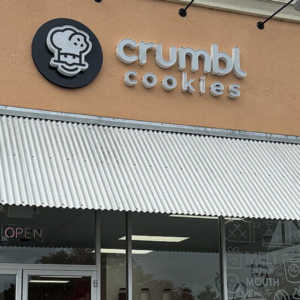

A Louisville, Kentucky franchisee operating three Crumbl Cookie stores filed for Chapter 7 bankruptcy liquidation on October 1, 2026, according to Inc. Magazine. Red Sheep St. Matthews LLC, owned by Richard and Emily Diamond, listed more than $352,000 in liabilities and sought full liquidation of its locations. The filing is the first named franchisee case to surface from a brand that has recorded more than 57 closures system-wide this year.
Crumbl Cookie, the Utah-based dessert franchise built around a rotating weekly cookie menu, has been navigating a significant contraction in 2026 after a period of rapid growth. Customer traffic in August 2026 was running approximately 70% below the level recorded two years earlier, according to foot traffic data cited by Inc. Magazine. The Louisville filing adds a specific, documented case to a broader trend of franchise distress that L’Express Franchise US covered in an earlier report drawing on the brand’s Franchise Disclosure Document data.
Three Louisville Stores Enter Full Liquidation Under Chapter 7
Red Sheep St. Matthews LLC filed a Chapter 7 petition in federal bankruptcy court on October 1. Unlike Chapter 11, which allows a business to restructure its debts and continue operating, Chapter 7 initiates full liquidation: the company’s assets are sold off to repay creditors and the business closes.
The filing covers three Crumbl locations in the Louisville metropolitan area. Total liabilities exceed $352,000. Richard and Emily Diamond are listed as owners. The filing date places this case squarely in the current fiscal year, and the Inc. Magazine report published October 13 represents the first media coverage of this specific proceeding.
The Dirty Soda Initiative and a 20% Sales Lift That Did Not Materialize
Earlier in 2026, Crumbl introduced a “dirty soda” program alongside its core cookie menu. Dirty sodas, flavored fountain drinks combined with cream, syrups, or fruit, had gained strong consumer traction in the Mountain West, and the brand positioned the offering as a traffic and per-ticket driver capable of lifting sales by approximately 20%.
The initiative had shown appeal in markets where the format already has cultural traction, notably Utah and surrounding states. The Louisville filing suggests the program did not produce the revenue lift franchisees needed to remain viable in that market. Crumbl has not published system-wide sales data attributable specifically to the dirty soda rollout.
Key figure
Crumbl customer traffic in August 2026 was running approximately 70% below the level recorded two years earlier, according to foot traffic data reported by Inc. Magazine. More than 57 locations have closed system-wide during 2026.
Broader System Pressure: Closures, Traffic Decline, and No Public Response
The Louisville filing is one data point within a documented system-wide contraction. More than 57 Crumbl locations have closed across the United States in 2026, a figure drawn from franchise industry tracking. The brand’s August foot traffic was running at a fraction of its 2024 peak, a decline that analysts have attributed to a combination of factors: the fading novelty effect that powered the brand’s early growth, intensifying competition in the premium dessert segment, and a consumer spending environment that has compressed discretionary food purchases. Crumbl has not issued a public response to the closure trend or the ongoing franchisee financial distress.
What a Chapter 7 Proceeding Means for Creditors and Remaining Operators
In a Chapter 7 proceeding, a court-appointed trustee takes control of the debtor’s assets and distributes proceeds to creditors in priority order. Secured creditors are paid first; unsecured creditors follow if assets remain.
For Crumbl as a franchisor, a franchisee’s Chapter 7 filing does not directly affect the parent company’s balance sheet, but it removes a unit from the active network and typically triggers termination of the franchise agreement. For other franchisees, the more relevant question is whether these filings represent isolated cases or a structural shift in the brand’s unit economics.
This content is provided for informational purposes only and does not constitute legal, tax, financial, or professional advice. Laws and regulations vary by state and individual circumstances and may change over time. Readers should consult a qualified attorney, tax professional, or other licensed professional regarding their specific situation. Nothing herein creates an attorney-client relationship.