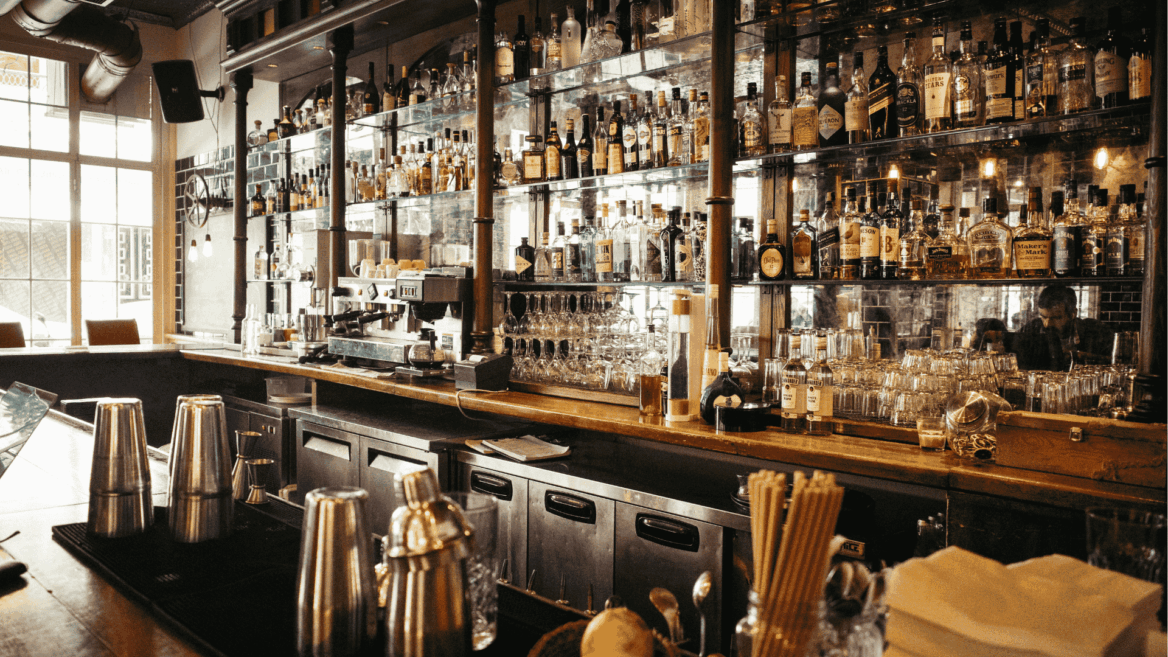

Opening a bar in the United States can be a lucrative venture, but requires careful capital planning and regulatory compliance. This guide outlines the key stages, costs, and strategic considerations involved in launching a bar business in the United States, including independent and franchise models. Because state and local regulations vary widely throughout the U.S., always check with local authorities to ensure compliance when opening a new bar.
How to open a bar in the U.S.: key steps from idea to opening night
Behind every successful bar is months of preparation, long before doors open to guests.
define your bar's concept
A new bar needs a clear concept that shapes location, equipment, staffing, and licensing. A sports bar has different operations and expenses than a wine bar.
write your bar's business plan
It’s important to know how to create a business plan covering market analysis, competitor research, startup costs, and operating expenses. In the U.S., there are typically five ways to register a new bar. Most bar owners operate as limited liability companies or corporations (LLCs).
secure a location for your bar
Location drives revenue, lease costs, and profitability. Rents, as well as regulations and licensing requirements vary widely by state, city, and zone.
apply for licenses and permits
Alcohol licensing can be one of the most complex parts of opening a new bar in the United States, and could take months to a year or more depending on local regulations.
build, equip, and staff your new bar
Construction and equipment costs are often the largest expenses for new bar owners. Recruiting the right team is as crucial as the right menu, and staff usually will need alcohol service certifications.
How much does it cost to open a bar? What entrepreneurs should expect
Startup costs for a new bar in the U.S. range anywhere from $125,000 to more than $1 million, depending on the size, location, and concept.
In 2026, startup costs for a neighborhood bar could be $150,000 – $300,000, while a high- end cocktail lounge could cost $400,000 – $750,000. To open a restaurant-bar or a bar in a competitive market, costs could exceed $1 million.
Budgets to open a bar should include real estate, construction or remodeling, furniture, decor, signage, fixtures, equipment, inventory, salaries, and fees for licenses, permits, and professional services (legal, design, marketing/pr). States like California, for example, may have significantly higher liquor license costs which are equal to total start up costs in other markets.
How much money do you need upfront to open a bar?
Beyond initial startup costs outlined above, maintain at least 3 to 6 months of operating capital to sustain a new bar until profitability stabilizes. Under-funding is a leading cause of failure, and more than 25% of new food and beverage businesses won’t last more than 12 months according to the Cornell Hospitality Quarterly.
Funding your bar project
Capital can come from owner equity, private investors, commercial lending, or hybrid financing arrangements, each with implications for risk and control. Many lenders may not fund liquor license costs. Franchise systems and franchise financing programs can help streamline startup processes and approvals due.
Choosing the right type of bar
Sports bars need larger spaces and AV systems. Wine bars need costly inventory. Coffee-bar hybrids diversify revenue but require special equipment or longer hours. In short, investment requirements for bars vary significantly by concept. Selecting the right concept determines upfront capital requirements, operational complexity, and revenue potential.
More from L’Express Franchise
What licenses and permits are required to open a bar?
Opening a bar requires a liquor license, health inspections, fire safety approvals, a certificate of occupancy, and tax registration. Liquor licensing frameworks differ by state and city and can affect startup costs and timelines.
For a bar or tavern license, some states may require you to serve food. In other states, the percentages of alcohol vs. food sale might require a restaurant license. Some states offer beer and wine licenses, which permit businesses to sell those items but not liquor or distilled spirits. Clubs may be eligible for special liquor permits, though only members and their guests can be served.
Brewpubs and wineries are popular concepts, but require distinct permits to brew and ferment alcoholic beverages. And, if you’re interested in offering sales for consumption off-premises, you could need a retail license.
Some U.S. jurisdictions have “blue laws” limiting alcohol sales on Sundays. Blue laws may limit on-site hours and retail alcohol sales. In states like Texas, brewpubs and wineries may be able to serve alcoholic beverages on-site on Sundays, but not sell them for off-site consumption.
Liquor license costs also vary dramatically by region. In California, liquor licenses can cost tens or hundreds of thousands of dollars while in Texas, they are usually more affordable.
Independent bar vs franchise bar: key differences
Independent bars offer full creative control but higher operational risk. Franchise bars provide brand recognition, operational systems, supplier networks, and potentially easier access to financing in exchange for fees and royalties.
| Business Factors | Independent Bar | Franchise Bar |
|---|---|---|
| Upfront Costs | Buildout + licenses + concept development |
Buildout + licenses + franchise start up fee ($20K–$75K+) |
| Franchise fees | None | 4–8% royalty + 1–3% marketing |
| Launch time | Longer to build from scratch | Faster to build using franchise models |
| Financing Access | Harder (less performance history) | Easier (lenders favor franchises) |
| Profit Margin | Higher ceiling (no royalties) | High ceiling (royalties reduce margin) |
| Risk Level | 25% chance of failure in year 1 | Lower operational risk |
How long does it take to open a bar?
Opening a bar could take 6 – 18 months, including 2 – 6 for planning. Obtaining licenses and approvals could be as quick as 2 months, or longer than a year. Budget 2 – 6 months for lease negotiation and any construction or renovation. Hiring and training staff could last just 1 month.
Is opening a bar the right entrepreneurial move for you?
Bars can generate attractive margins, though demand intensive owner oversight and resilience to regulatory and operational pressures. Before deciding you’re ready, consider your financial resilience and risk tolerance. Owning a bar which operates on late nights and weekends could impact your lifestyle.
For some, opening an independent bar offers high rewards that come with full creative control. For others, franchising provides operational structure and brand support, particularly appealing to investors entering hospitality for the first time.
With a strong concept and careful planning, opening a bar can be a profitable venture. Entrepreneurs should carefully assess their financial readiness and goals when opening a new bar, and consider both independent and franchise models. Successful bar ownership hinges on matching capital, concept, and operational strategy to market realities.
This content is provided for informational purposes only and does not constitute legal, tax, financial, or professional advice. Laws and regulations vary by state and individual circumstances and may change over time. Readers should consult a qualified attorney, tax professional, or other licensed professional regarding their specific situation. Nothing herein creates an attorney-client relationship.