
A Florida Domino’s franchisee filed for Chapter 11 bankruptcy protection in November 2026, becoming the second Domino’s operator to seek court reorganization this year. Performance Pizza, running two locations on Florida’s Treasure Coast, listed liabilities between $1 million and $10 million against assets of less than $50,000. The filing arrives as the month records its third fast-food franchise bankruptcy.
Domino’s has kept US same-store sales slightly positive in 2026, up 0.3% in the third quarter, while flagging franchisee profitability as a pressure point. Digital ordering contributed significantly to that growth. For small independent operators, the financial picture has been less consistent. Performance Pizza’s November filing follows North County Pizza, another Domino’s franchisee, which filed Chapter 11 in March 2026 in the Southern District of California.
A Two-Unit Operator on Florida’s Treasure Coast
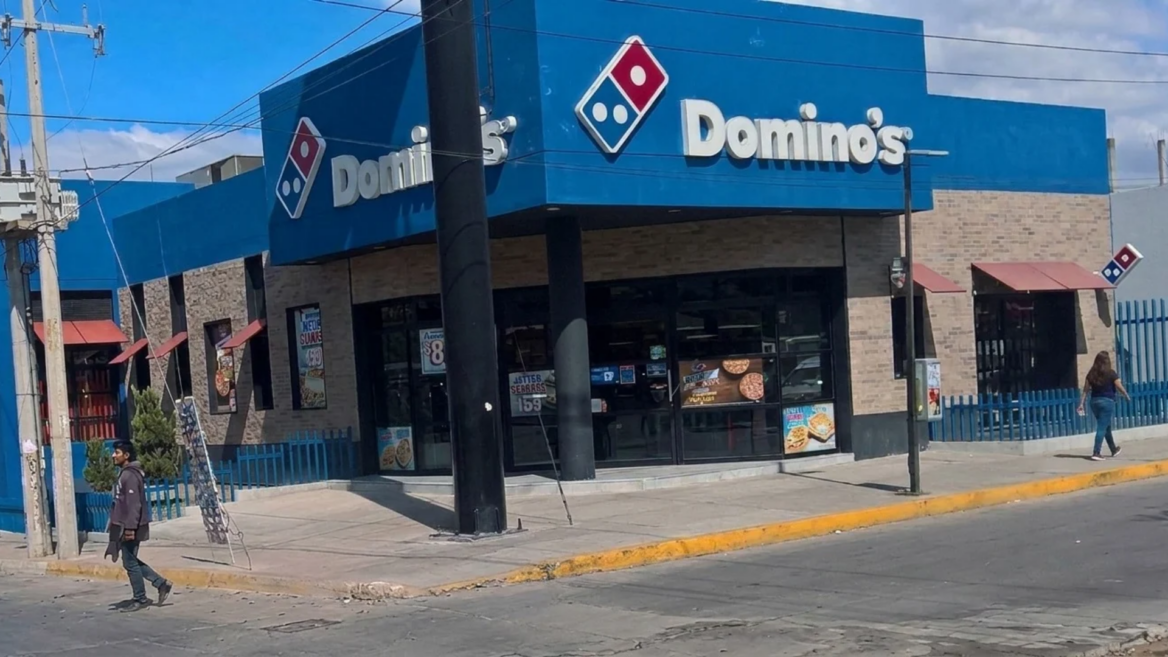
Performance Pizza holds Domino’s franchise rights for two locations in Fort Pierce and Port St. Lucie, adjacent coastal cities roughly 60 miles north of West Palm Beach.. Court documents filed with the U.S. Bankruptcy Court for the Southern District of Florida list total liabilities between $1 million and $10 million, assets valued at less than $50,000, and fewer than 50 creditors. No closure plan or reorganization timeline has been made public at this stage.
Domino’s had not commented on the filing as of November 24, NRN reported. When a franchisee abruptly closed 13 Domino’s stores in Northern Ohio in September, the company called it “an isolated franchisee matter.” Domino’s had about 7,200 U.S. stores at the end of 2025.
The Second Domino’s Franchisee Chapter 11 of 2026
North County Pizza, a Southern California Domino’s operator that had sold all but one of its stores after taking on merchant cash advance debt, became the first franchisee in the system to file Chapter 11 this year when it sought protection in March. Performance Pizza’s filing represents the second case.
Domino’s does not publicly disclose the financial health of individual franchisees, and no information from public filings alone establishes whether broader operator financial distress exists across the system. The brand has pursued value-driven promotions throughout 2025 and 2026 as part of its competitive positioning against rival pizza chains.
Domino’s franchisees have filed for Chapter 11 bankruptcy in 2026 as of November 25. North County Pizza filed on March 11; Performance Pizza filed on November 24. Both cases were filed in Florida.

November’s Pattern of Fast-Food Franchise Stress
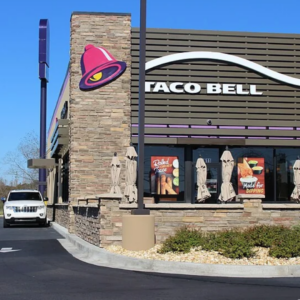
Performance Pizza’s filing is at least the fourth fast-food franchisee Chapter 11 of November 2026. Papa John’s franchisee Papa ZHS filed on November 9, and KFC and Taco Bell franchisee Tasty Chick’n, a Plano, Texas-based operator of 84 restaurants, filed on November 17.
Cicis Pizza franchisee Mulhern & Co., which runs three restaurants in Pensacola, Florida, and Daphne and Mobile, Alabama, filed on November 20, Nation’s Restaurant News reported. Elevated food and labor costs are a common thread in many of this year’s restaurant franchisee filings, though the drivers vary by case.
Good to know
Under Chapter 11, a business continues to operate while proposing a reorganization plan to its creditors. For a franchise operator, the process can include renegotiating lease obligations and restructuring supplier debts. Franchise agreement terms with the parent brand may also come under review.
The Legal Process Ahead for Performance Pizza
Chapter 11 proceedings generate disclosure documents that surface financial details not visible in brand-level reports. Creditor lists and rent obligations are among the items that typically appear in bankruptcy schedules, alongside royalty accruals and outstanding delivery-platform liabilities. Domino’s, as a franchisor, retains contractual rights with respect to its franchise agreements that may apply in a restructuring context.
The petition, filed under Subchapter V, names AFK, owed about $818,900, and Amsterdam Group, owed about $291,700, as the largest creditors. No reorganization plan had been filed as of November 25, 2026. The proceeding remains in its early stages.
This content is provided for informational purposes only and does not constitute legal, tax, financial, or professional advice. Laws and regulations vary by state and individual circumstances and may change over time. Readers should consult a qualified attorney, tax professional, or other licensed professional regarding their specific situation. Nothing herein creates an attorney-client relationship.