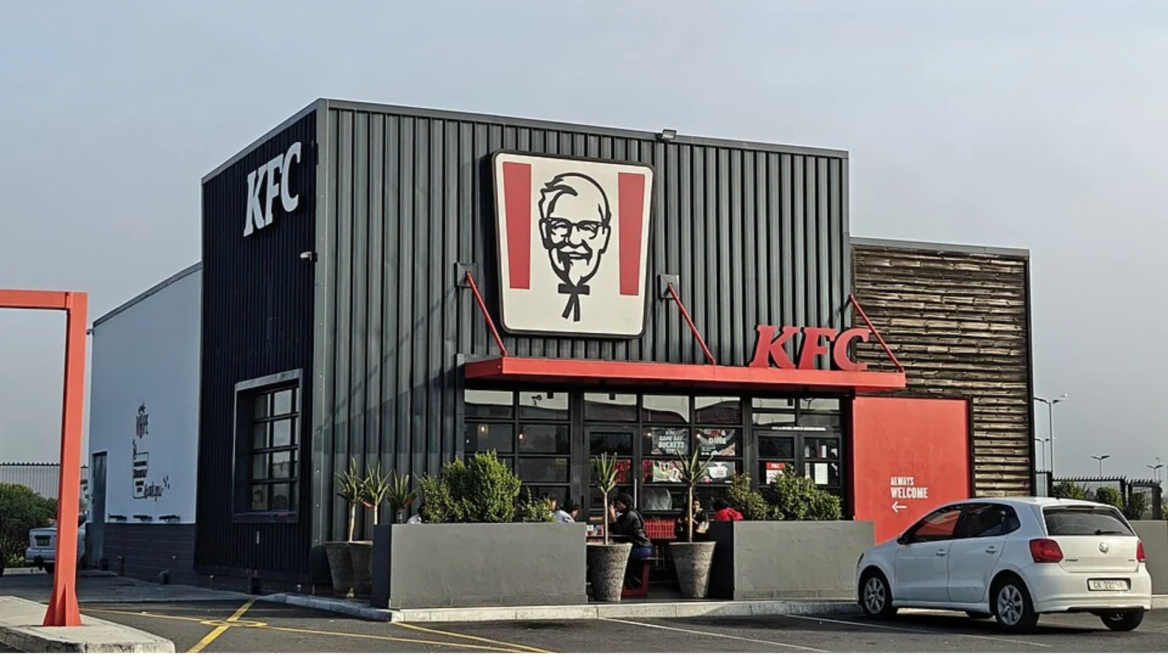

Tasty Chick’n LLC, a Plano, Texas-based franchise operator running 84 KFC and KFC/Taco Bell co-branded restaurants across 10 states, filed for Chapter 11 bankruptcy protection on November 17, 2026. The case adds to a series of large restaurant franchise restructurings that have reshaped the US restaurant industry in the second half of 2026.
Formed in 2021 to acquire and operate KFC and Taco Bell restaurants under franchise agreements with Yum Brands, Tasty Chick’n LLC operates 75 KFC and 9 KFC/Taco Bell co-branded units in Florida, Tennessee, Arkansas, Missouri, Mississippi, Alabama, Virginia, Kentucky, Illinois, and Indiana.
The company filed its petition in the U.S. Bankruptcy Court for the Southern District of Texas, listing assets of $50 million to $100 million and liabilities of $100 million to $500 million, according to court documents.
Three Years of Declining Sales and Shrinking Margins
Revenue at Tasty Chick’n’s restaurants fell 11.4% in fiscal year 2024, then 1.4% in fiscal year 2025, and an additional 2.8% in the year to date through 2026, according to a declaration filed by CEO Thomas M. Scott.
Over the same period, restaurant-level margins deteriorated sharply, dropping from 11.8% in fiscal 2023 to approximately 4% in fiscal 2026 year to date. The declaration attributes the decline to rising food and labor costs, with higher rents compounding pressure across the portfolio.
Restaurant-level EBITDA margin at Tasty Chick’n in fiscal 2026 year to date, down from 11.8% in fiscal 2023, according to the CEO declaration filed in bankruptcy court.

A Default Notice and $15.6 Million in Unpaid Royalties
The accumulated financial pressure left $15.6 million in unpaid royalties owed to Yum Brands, which controls both franchise systems. Yum Brands sent a notice of breaches and defaults in December 2025, followed by a formal Yum Brands sent a notice of breaches and defaults in December 2025, followed by a formal notice of intent to terminate the franchise agreements on September 15, 2026.
Tasty Chick’n sought a forbearance arrangement with Yum Brands but could not reach an agreement. A termination of the franchise agreements would have ended the company’s right to operate under the KFC and Taco Bell brands, triggered a default under its credit agreement, and eliminated the going-concern value of the business, the court filing states.
Chapter 11 as a Path to an Asset Sale
Rather than pursue liquidation, Tasty Chick’n is using Chapter 11 to conduct a court-supervised sale of its restaurant portfolio. The company plans to market the restaurants as a full portfolio or broken out by individual market, to attract the broadest range of buyers for existing franchise restaurants.
To fund operations during the process, the company is seeking $20 million in debtor-in-possession financing from prepetition lender MidCap Financial Trust, structured as $5 million in new money and a $15 million rollup of existing prepetition debt. The largest unsecured creditor listed in the filing is Tasty Restaurant Group LLC, owed more than $5 million.
One Case Among Several in a Difficult Year for QSR Operators
The Tasty Chick’n filing arrives amid a broader wave of franchise restructurings in the US restaurant sector. In November 2026 alone, a Denny’s franchisee in the Dallas-Fort Worth market and a Papa John’s franchisee operating about a dozen restaurants filed for Chapter 11, while Wendy’s moved to buy 163 restaurants out of the bankruptcy of its largest franchisee, Meritage Hospitality Group, which had filed in September.
The KFC system itself reported a 6% decline in US system sales in the third quarter of 2026, according to Yum Brands earnings data. The pattern reflects the position of legacy QSR operators caught between multi-year traffic declines and accumulated remodel obligations written into franchise agreements, at a moment when refinancing debt at current interest rates has become materially harder than it was three years ago.
This content is provided for informational purposes only and does not constitute legal, tax, financial, or professional advice. Laws and regulations vary by state and individual circumstances and may change over time. Readers should consult a qualified attorney, tax professional, or other licensed professional regarding their specific situation. Nothing herein creates an attorney-client relationship.