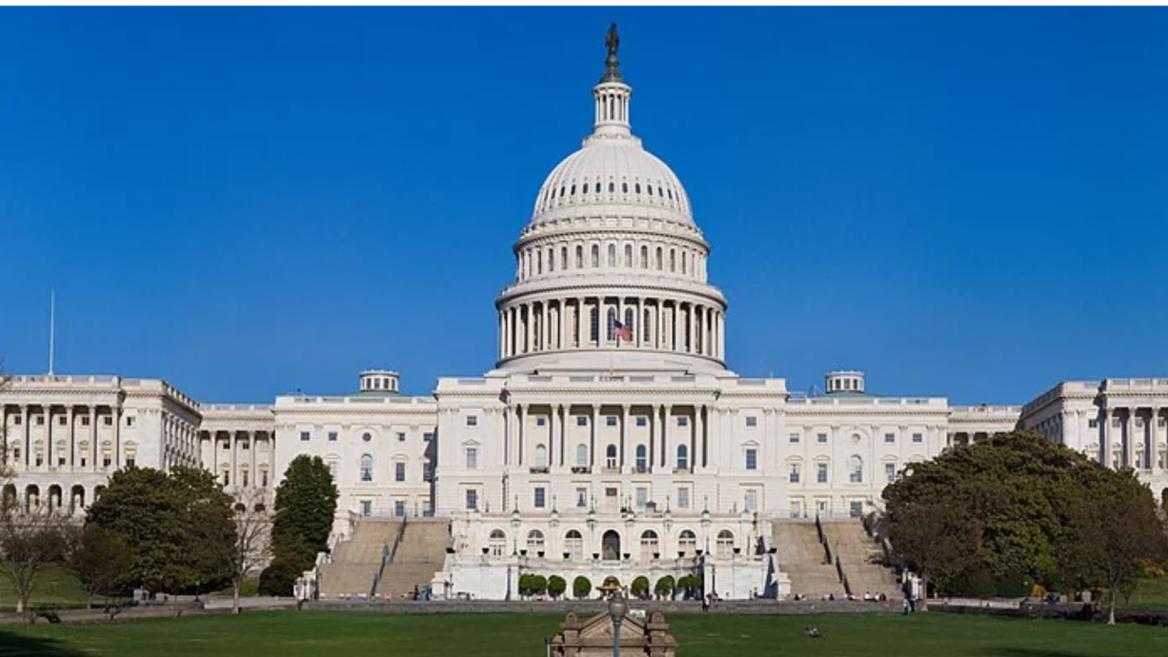

Six weeks. That is the window the International Franchise Association and the National Restaurant Association say remains for the lame-duck Congress to pass the American Franchise Act before a newly elected, Democrat-controlled Congress takes office in January 2027. The November 4 midterm elections produced a Democratic landslide. The White House has said it wants the bill passed this year. Without passage in the current session, the joint employer definition that governs franchise relationships would stay a matter of agency rules and court rulings, which can change with each administration.
The American Franchise Act (H.R. 5267) has been the top legislative priority for the International Franchise Association since it was introduced. The bill cleared a key House committee in July 2026 and still awaits a full floor vote, while the Trump administration publicly backed its passage in September 2026.
The midterm results have transformed the legislative calculus: the incoming Congress is expected to be significantly more skeptical of the AFA, and industry advocates say the lame-duck period between now and January 3, 2027 represents the last near-term opportunity for passage.
What the American Franchise Act Would Establish
The American Franchise Act would embed a permanent federal definition of “joint employer” into statute, specifically as it applies to franchise relationships. Under the definition the bill codifies, a franchisor would not be considered a joint employer of its franchisees’ workers unless it exercises direct and immediate control over the essential terms of those employees’ employment.
That standard mirrors the one the NLRB adopted in 2020 under the first Trump administration. The Biden NLRB’s 2023 rule, which would have counted indirect or reserved control, was vacated by a federal court before it took effect. Without a statutory fix, the joint employer definition has changed four times in the past decade, creating ongoing legal uncertainty for franchise operators and their legal counsel.
Why the Midterm Results Changed Everything
The November 4, 2026 midterm elections returned control of Congress to Democrats. The incoming Congress, which takes office on January 3, 2027, is widely expected to be less supportive of the AFA than the outgoing one. For the IFA and the NRA, that arithmetic makes the lame-duck session the critical inflection point.
The current Republican majority in both chambers remains in place until the new Congress is sworn in, giving supporters roughly six weeks to bring the AFA to a final vote. The White House publicly backed the bill in September 2026, calling for passage before year-end. Any bill not passed by January 3, 2027 would have to be reintroduced in the new Congress. Franchise Times reported on November 10 that industry lobbyists have shifted to full mobilization, pressing members of Congress for floor time before the holiday recess.
What Failure in the Lame-Duck Session Would Mean
If the AFA does not pass during the lame-duck session, the joint employer definition would be governed by regulatory and judicial interpretations rather than statute. Franchise industry attorneys note that a future board could return to the 2015 NLRB standard, under which indirect or reserved control over working conditions could establish joint employer status, a standard that created significant exposure for franchisors and, in some analyses, for multi-unit franchisees who operate overlapping labor structures.
Restaurant Dive reported on November 11 that the Democratic midterm landslide has reinvigorated advocacy efforts but also raised the stakes of a potential failure: franchise agreements may require legal review to address the resulting ambiguity. The National Taxpayers Union released a statement on November 11 supporting the AFA’s passage, citing the small-business ownership model at the core of the American franchise sector.
This content is provided for informational purposes only and does not constitute legal, tax, financial, or professional advice. Laws and regulations vary by state and individual circumstances and may change over time. Readers should consult a qualified attorney, tax professional, or other licensed professional regarding their specific situation. Nothing herein creates an attorney-client relationship.