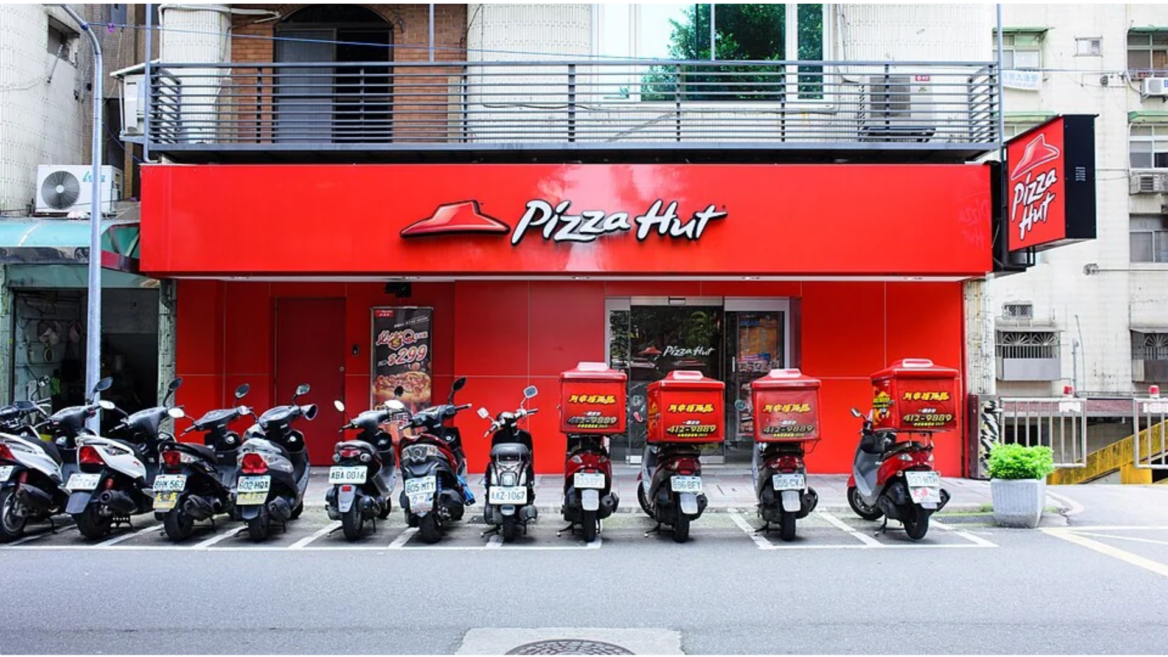

LongRange Capital, the private equity group that completed its acquisition of Pizza Hut from Yum! Brands in early November 2026, has closed a $1 billion whole-business securitization backed by Pizza Hut franchise fees and royalty streams. The deal places the franchise brand on the same financial infrastructure as Domino’s and Burger King, and ranks among the largest franchise ABS transactions ever recorded in the quick-service restaurant sector.
Whole-business securitization, sometimes called franchise ABS, is a financing structure in which a brand’s royalty and fee streams are bundled into bonds sold to institutional investors. Domino’s pioneered the model in the QSR sector in 2007 and has used it repeatedly since. Burger King and Sonic have executed comparable transactions. Subway and Arby’s have done the same. Once the Pizza Hut bonds price, LongRange Capital will join that group as a first-time issuer in the franchise bond market.
A $1 Billion Bond Backed by Royalty Streams
The $1 billion securitization is structured around the contractual royalty payments and franchise fees that Pizza Hut franchisees remit to the brand on a recurring basis.Those income streams, which are defined by long-term franchise agreements, serve as collateral for the bonds. Rating agencies typically evaluate the predictability and coverage of those cash flows before assigning credit ratings to individual tranches.
Bloomberg reported on November 10, 2026, that the bonds were in an early marketing phase and expected to be sold the following week, with at least $600 million offered first and a second group of bonds sold separately. S&P Global Ratings and Kroll Bond Rating Agency have rated them BBB, according to Private Equity Wire.
Why Franchise ABS Has Become a Standard Acquisition Tool
Private equity buyers of franchise brands have increasingly turned to whole-business securitization in the years following the 2010s wave of QSR acquisitions. The structure allows a new owner to monetize future royalty income at relatively low interest rates, often well below what conventional leveraged buyout debt would carry.
For LongRange Capital, the $1 billion raise represents a way to refinance or partially offset acquisition costs while retaining control of the Pizza Hut system. The model works best when a franchise network is large and its royalty base is diversified across many operators. Pizza Hut has historically met both criteria, operating thousands of franchise restaurants across dozens of countries.
What the Deal Means for Pizza Hut Franchisees
For franchise operators already in the Pizza Hut system, the planned ABS deal would not alter the terms of existing franchise agreements. Royalty and fee obligations remain governed by those contracts. The significance of the transaction lies at the brand level: it establishes LongRange Capital’s long-term financial footing as the brand’s owner and signals institutional confidence in the Pizza Hut royalty base.
Industry analysts note that brands backed by securitized debt structures tend to maintain strong incentives to protect franchisee unit economics, since declining operator performance would directly affect the bond’s underlying collateral. Yum! Brands completed its exit from Pizza Hut when LongRange closed its acquisition on September 1, 2026, after selling the China business to Yum China in August. The company now centers on KFC and Taco Bell, alongside the smaller Habit Burger & Grill.
This content is provided for informational purposes only and does not constitute legal, tax, financial, or professional advice. Laws and regulations vary by state and individual circumstances and may change over time. Readers should consult a qualified attorney, tax professional, or other licensed professional regarding their specific situation. Nothing herein creates an attorney-client relationship.