
Nearly one in five American adults now takes a GLP-1 weight-loss medication such as Wegovy or Ozempic, and new research is quantifying the impact on restaurant visits. A report from Revenue Management Solutions found that 90% of GLP-1 users are eating less per sitting since starting the medication, with 73% cutting back on fast-food visits more than any other dining category.
The restaurant industry has been monitoring GLP-1 medication adoption closely since these drugs gained mainstream popularity. At least one projection suggests that 30% of Americans could be taking one of these medications by the end of this decade.
Data firm Circana found that foodservice sales decline in the first year of GLP-1 use and into the second year, before rebounding moderately. The rebound is strongest at lunch. Breakfast and late-night occasions remain weaker by comparison. Technomic projects the aggregate effect could reduce restaurant industry sales by 0.5% to 0.7% by that point.
Fast Food Absorbs the Largest Share of Cutbacks
Among restaurant categories, fast food bears the highest concentration of GLP-1-related cutbacks. 73% of GLP-1 users told Revenue Management Solutions they are visiting fast-food restaurants less often, a larger share than any other segment. Casual dining follows, with two-thirds of users reporting reduced visits, and 60% are spending less at fast-casual concepts. Only salad and bowl concepts see a net benefit: 48% of GLP-1 users say they are ordering more from that category.
Beyond meal occasions, 78% of GLP-1 users report cutting back on desserts. 66% are ordering fewer alcoholic drinks, and 65% are reducing regular soft drink consumption. Rather than dining out, 62% say they are cooking at home more often, and 50% are turning to protein shakes or other meal replacement products.
Smaller Portions Are Reshaping the Standard Meal
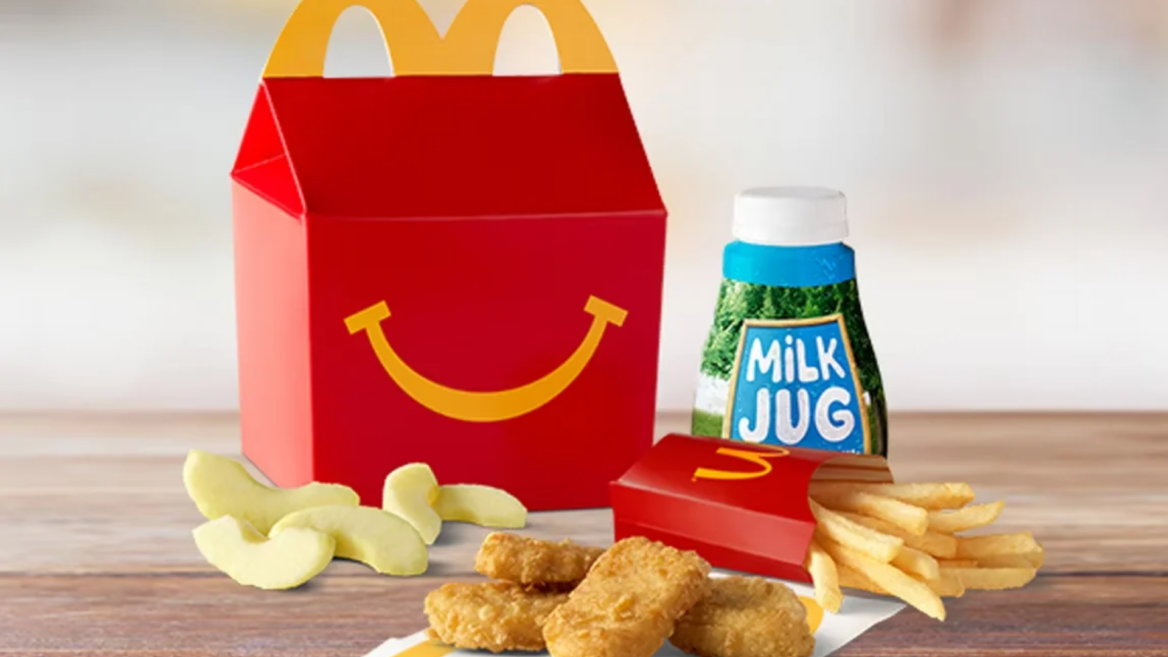
The primary driver is physiological: 65% of GLP-1 users say they order less food because they cannot eat as much. That constraint is translating into measurable changes in ordering behavior across meal formats. Six in ten users told Revenue Management Solutions they take half or more of a restaurant meal home as leftovers. 44% now order a half-sized or lunch portion as their main item, and 41% select an appetizer in place of an entree. 24% order from the kids’ menu.
Major Brands Are Adjusting Their Strategies
Restaurant brands with large franchised footprints are responding to GLP-1 consumer behavior in different ways. Burger King is evaluating menu options for smaller portion preferences. McDonald’s is taking a broader approach, developing dedicated menu items to appeal to both GLP-1 users and protein-focused consumers. Its president of US operations described the company’s existing relationship with that consumer segment as a commercial opportunity.
“84% of households with GLP-1 users visit McDonald’s. This is an opportunity,” says Skye Anderson, President, McDonald’s USA.
Three in ten US households now include someone using a GLP-1 medication, according to Circana. FTI Consulting estimates that share at nearly one in five adults nationally. Those numbers are expected to continue growing. How the restaurant industry adapts its menu and portion approach in response will be a defining question for restaurant franchise operators over the coming years.
This content is provided for informational purposes only and does not constitute legal, tax, financial, or professional advice. Laws and regulations vary by state and individual circumstances and may change over time. Readers should consult a qualified attorney, tax professional, or other licensed professional regarding their specific situation. Nothing herein creates an attorney-client relationship.