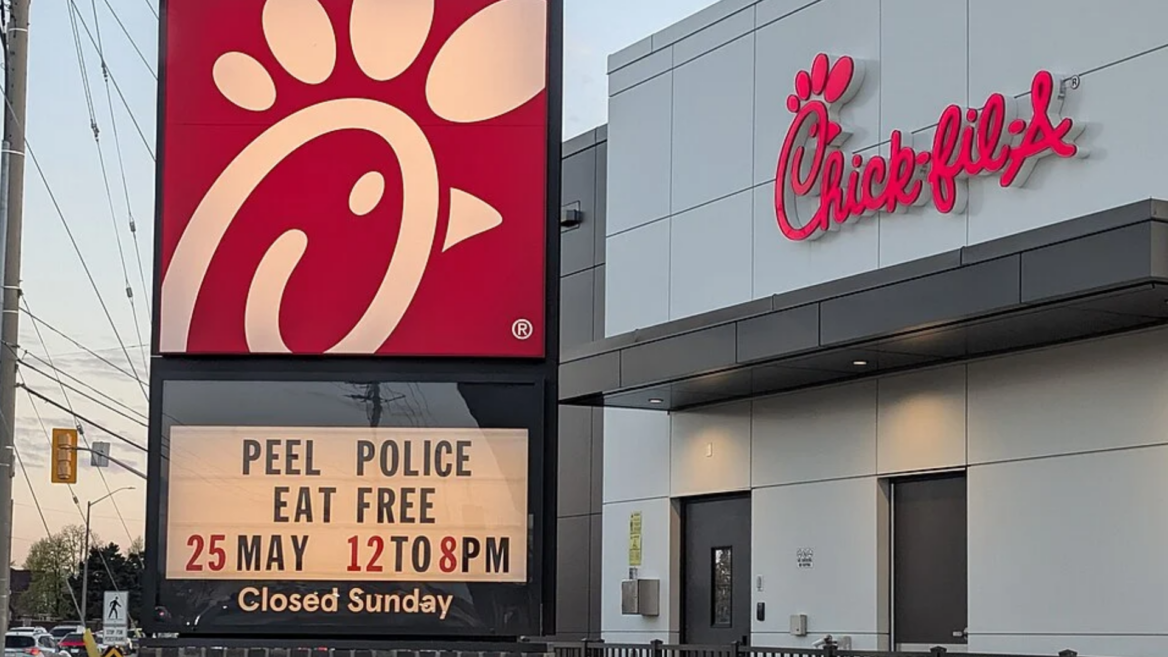

Chick-fil-A reached roughly $23.9 billion in U.S. systemwide sales in 2025 across 2,863 franchised and company-operated restaurants, with a median per-store sales figure of about $9.1 million, per Fortune and QSR Magazine coverage of the brand’s 2026 FDD. The brand operates one of the most selective franchise programs in American food service. This guide explains how to open a Chick-fil-A, how the Operator model works, and which alternative chicken franchises in the U.S. accept applications under more conventional terms.
What is Chick-fil-A?
Chick-fil-A is an Atlanta-based quick-service chicken restaurant chain founded in 1946 by S. Truett Cathy. The brand sells chicken sandwiches, nuggets, waffle fries, lemonade, and salads, and is the largest chicken-focused restaurant chain in the United States by systemwide sales. The company closes every restaurant on Sundays, a founding policy the current CEO has publicly affirmed.
The brand’s per-store productivity ranks among the highest in American quick-service: Fortune reported a 2025 median unit volume of approximately $9.1 million for freestanding, drive-thru-only restaurants open all year, with an average of about $9.16 million. U.S. systemwide sales grew roughly 5% year over year to $23.9 billion, with net openings of about 179 restaurants in 2025.


Chick-fil-A
“Eat Mor Chikin”®
- Restaurant
- Liquid capital: $
Is Chick-fil-A a Franchise Company?
Yes, but the model is very different from a traditional franchise
Yes, candidates can apply to become a Chick-fil-A franchise Operator and to open a restaurant in the United States. Chick-fil-A files an annual Franchise Disclosure Document as the FTC Franchise Rule requires. The Operator relationship meets the three elements of the FTC definition of a franchise: trademark license, significant control and assistance from the franchisor, and a required payment. In practical economics, however, the Chick-fil-A model differs substantially from a traditional franchise such as KFC or Popeyes.
The initial Operator fee is $10,000, one of the lowest in major U.S. food service franchising. The company, not the Operator, finances and owns the restaurant’s land, building, and equipment. In exchange, Chick-fil-A retains a majority share of the restaurant’s profits, with the Operator receiving a defined share disclosed in the Operator Agreement. Operators are expected to run a single location in a hands-on capacity, and are generally not permitted to acquire additional units or treat the business as a passive investment.
How Chick-fil-A is structured and how it operates
Chick-fil-A, Inc. is a privately held company headquartered in College Park, Georgia, and remains family owned. The structure around each restaurant is unusual in food service:
- Real estate and construction: Chick-fil-A selects the site, builds or leases the restaurant, and owns the equipment. Operators do not build equity in the physical restaurant.
- Operator Agreement: the Operator pays a $10,000 fee and signs an annually renewable agreement rather than the multi-year franchise agreement typical in food service.
- Profit sharing: Operators receive a defined share of restaurant profits after a service fee and other charges, instead of paying a traditional sales-based royalty on gross revenue.
- One restaurant per Operator: the model is designed around full-time, hands-on operation of a single location, not multi-unit expansion.
- Selection: Chick-fil-A publicly reports that it receives tens of thousands of Operator applications each year. Industry coverage, including from QSR Magazine, places annual applications in the 40,000 to 60,000 range, with fewer than 1% of candidates ultimately selected. The selection process generally takes several months and involves multiple interviews.
- Sunday closures: all U.S. restaurants are closed on Sundays, a policy the company has repeatedly stated it does not plan to change.
Because Chick-fil-A finances almost every component of each restaurant, the figure for how much to open a Chick-fil-A looks different from standard franchise economics. The $10,000 fee is the headline requirement for opening a Chick-fil-A, but acceptance is the gating factor rather than available capital. Requirements for opening a Chick-fil-A include a willingness to operate full time, residency in the restaurant’s market, and other criteria disclosed in the brand’s Operator application materials.
Good to know
Chick-fil-A’s annually renewable Operator Agreement is not the same as a long-term franchise agreement with transfer and renewal rights. The Operator does not acquire the restaurant, cannot sell it as a going-concern asset, and generally cannot pass it on to heirs. In exchange, the Operator avoids the real-estate and buildout investment that opening a Chick-fil-A restaurant franchise would require under a conventional franchise model.
Alternative Chicken Franchises in the U.S.
Several U.S. chicken-focused chains operate under conventional franchise agreements and accept applicants under more traditional capital-based terms. The five brands below are among the most established fried chicken franchises in the United States and are routinely covered in Entrepreneur’s Franchise 500 chicken category. Figures below reflect the most recent FDD filings cited by Entrepreneur and other Tier-1 franchise press.
KFC
KFC is the largest chicken franchise system in the United States by unit count, owned by Yum! Brands. The initial franchise fee is $45,000, structured as a $20,000 deposit and a $25,000 option fee. KFC franchises operate under traditional multi-year franchise agreements with sales-based royalties.
KFC
It’s Finger Lickin’ Good
- Restaurant
- Liquid capital: $
Popeyes
Popeyes Louisiana Kitchen is owned by Restaurant Brands International. The initial franchise fee is $50,000, due at signing. Total estimated initial investment commonly reaches the $2 million+ range depending on prototype, location, and real estate ownership versus lease. Popeyes franchise agreements follow the standard multi-unit expansion model common across QSR concepts.

Popeyes Louisiana Kitchen
Love That Chicken!®
- Restaurant
- Liquid capital: $
WIngstop
Wingstop is a major U.S. chicken wing franchise brand specializing in cooked-to-order wings and tenders. The initial franchise fee is $25,000, with a separate $25,000 development fee. Franchisees generally pay a 6% royalty on gross sales and contribute 5.5% to the national advertising fund, according to the 2026 Franchise Disclosure Document (FDD).
Wingstop
The Wing Experts
- Restaurant
- Liquid capital: $
Zaxby’s
Zaxby’s operates chicken-wing, chicken-finger, and chicken-sandwich restaurants, with a strong presence across the southeastern United States. Per Entrepreneur’s 2025 chicken-franchise ranking, the estimated initial investment ranges from $1,406,700 to $3,323,200, with an initial franchise fee of $35,000.
Zaxbys
Real Good Food. Made Fresh
- Fried Chicken
- Liquid capital: $750000
This content is provided for informational purposes only and does not constitute legal, tax, financial, or professional advice. Laws and regulations vary by state and individual circumstances and may change over time. Readers should consult a qualified attorney, tax professional, or other licensed professional regarding their specific situation. Nothing herein creates an attorney-client relationship.