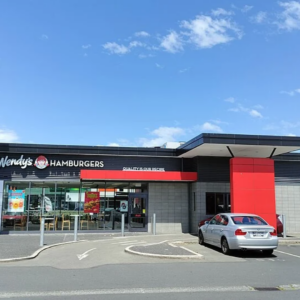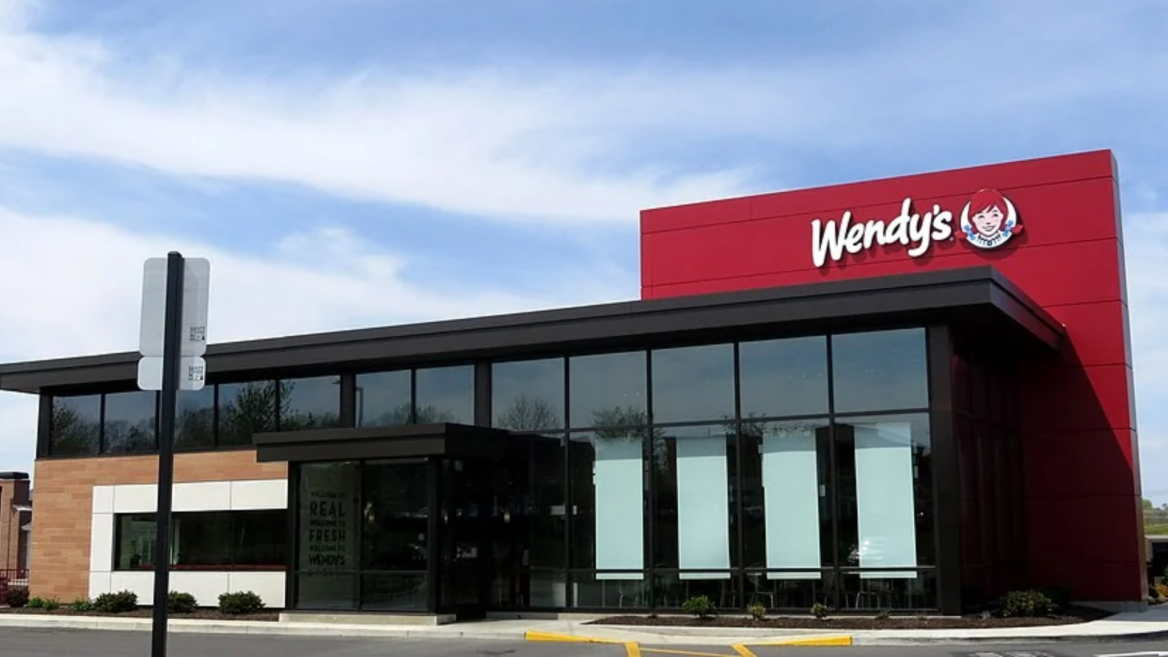

A consortium including Trian Fund Management, the Flynn Group, and two unnamed private equity firms submitted a non-binding offer on October 28, 2026, to acquire franchise brand Wendy’s at $7.35 per share. The proposal carries an approximately 20% premium over the previous day’s closing price, and Wendy’s shares surged more than 15% on the news.
Wendy’s has posted negative domestic same-store sales in every quarter since the first quarter of 2025. The brand operates roughly 5,600 US locations, nearly all through franchise agreements, and has faced sustained investor pressure over its traffic decline and promotional strategy.
Nelson Peltz’s Trian Fund Management has held a significant equity stake in Wendy’s for more than a decade, previously occupying two board seats before stepping back as CEO Bob Wright launched a formal turnaround effort in 2025.
The Offer Terms and the Consortium Behind the Bid
The $7.35-per-share proposal was filed with the Securities and Exchange Commission on October 28. The buyer group comprises Trian Fund Management, the Flynn Group, and two private equity partners not identified in the initial public filing. The offer is non-binding, meaning Wendy’s board faces no fixed deadline to accept or reject it.
In the language of the October 28 SEC filing, the consortium cited the case for “patient, long duration capital” as the rationale for taking the company private, arguing that a multi-year recovery strategy is better executed away from the short-term scrutiny of quarterly public reporting. Wendy’s carries approximately $2.4 billion in net debt, a factor that adds materially to the total transaction cost beyond the stated equity premium.
Flynn Group’s Role as Franchisee and Co-Bidder
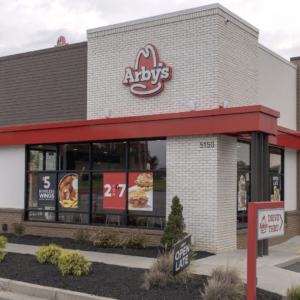
The Flynn Group, led by CEO Greg Flynn, is Wendy’s largest US franchisee by unit count, operating roughly 1,000 Wendy’s locations. Flynn also holds franchise agreements across Pizza Hut, Applebee’s, Panera Bread, Arby’s, and other concepts, making it one of the largest multi-brand franchise operators in the US with a total portfolio of more than 1,200 restaurants.
Its inclusion in the acquisition consortium creates a structural situation without direct precedent: if a transaction were completed, Flynn would simultaneously hold an equity stake in the Wendy’s franchisor and operate as its single largest franchisee. The public filing does not address how royalty structures, capital program requirements, or franchise advisory councils would function under that shared-ownership arrangement.
A Franchise System With Six Consecutive Quarters of Negative Comps
Wendy’s domestic same-store sales have declined in each reporting period since the first quarter of 2025, a run that now extends across at least six consecutive quarters. The brand’s challenges include heightened promotional pricing across the quick-service restaurant sector, softening consumer traffic in its core demographic, and the $2.4 billion debt load that limits the financial tools available to fund recovery programs.
Franchisees have flagged concerns about the pace of traffic recovery and the cost of ongoing capital investment requirements, according to trade press reporting from Nation’s Restaurant News and Restaurant Dive throughout 2025 and 2026.
Board Review and What Comes Next
Wendy’s board of directors had not formally accepted or rejected the offer as of October 29. In situations of this type, independent board members typically retain investment banks and legal advisors to evaluate whether a proposal represents fair value for all shareholders.
The non-binding nature of the offer means it could be modified, withdrawn, or supplemented by competing proposals from other interested parties. The approximately $2.4 billion in existing net debt Wendy’s carries adds significant complexity to the total transaction value that goes well beyond the stated equity premium of roughly 20%.
This content is provided for informational purposes only and does not constitute legal, tax, financial, or professional advice. Laws and regulations vary by state and individual circumstances and may change over time. Readers should consult a qualified attorney, tax professional, or other licensed professional regarding their specific situation. Nothing herein creates an attorney-client relationship.