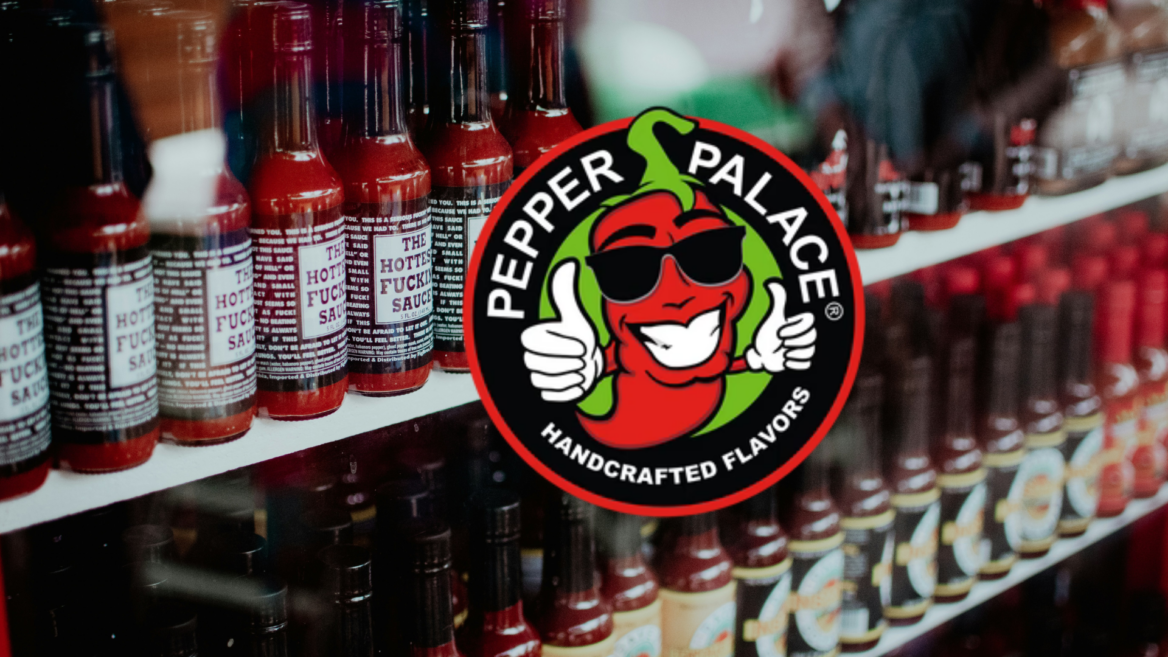

After more than three decades as a company-owned specialty retailer, Pepper Palace has awarded its first franchise agreements. The hot sauce and spice franchise brand, which operates more than 70 locations across North America, opened its franchise program to single and multi-unit operators in the United States and Canada in June 2026, a first in the brand’s 35-year history.
Founded in Gatlinburg, Tennessee, in 1989, Pepper Palace grew from a single storefront into a network of more than 70 retail locations across the United States and Canada. The franchise concept built its presence in high-traffic, experience-driven environments including tourist destinations, entertainment districts, and shopping centers. Its entire product line, spanning sauces, seasonings, and condiments across every heat level and flavor profile, is manufactured in-house and sold exclusively through Pepper Palace stores.
Thirty-Five Years of Company-Owned Retail as the Foundation
The franchise announcement marks a deliberate move for a brand that spent more than three decades operating exclusively through company-owned stores. Pepper Palace‘s interactive, sampling-driven retail format has been developed and refined over that entire period. The store experience centers on engaging customers directly with the product, a model the company describes as consistently turning first-time visitors into repeat buyers.
“Franchising is an exciting next step for Pepper Palace, but we want to grow the right way. The first franchise awards reflect the strength of the brand our team has built and the opportunity ahead as we bring Pepper Palace into new markets with the same energy, quality, and experience our customers know,” said Morten Jorgensen, CEO of Pepper Palace.
What Sets the Model Apart for Franchise Operators
The product line is central to the franchise value proposition. Pepper Palace‘s sauces, seasonings, and condiments are entirely proprietary and available exclusively through its stores, with no distribution through third-party retail channels. That structural exclusivity positions operators with products consumers cannot find elsewhere, which the company presents as a built-in point of differentiation from the first day of operation.
The store design is described as straightforward and consistent, built on a format tested across more than three decades of company operations. Pepper Palace also owns its manufacturing infrastructure, an arrangement that gives the franchise system a degree of supply chain visibility uncommon among specialty retail brands at this scale. Vertical integration across sourcing, production, and distribution supports product consistency as the network expands.
A Program Designed for Single and Multi-Unit Operators
The initial franchise agreements cover both single-unit and multi-unit formats across the U.S. and Canada. The program targets operators looking to bring the brand into new markets, particularly high-traffic and destination-style retail environments where the interactive in-store format has historically performed well for the company.
Pepper Palace started as a single storefront in Gatlinburg in 1989 and reached more than 70 locations while remaining entirely company-owned. The first franchise agreements mark the start of an externally operated chapter for a brand that spent 35 years proving its model on its own terms.
“As a former licensee myself, this moment is especially exciting. I understand what it feels like to step into a brand, believe in the model, and commit to building something locally. From a franchise development perspective, awarding our first franchise agreements is a major step forward and the beginning of a very exciting chapter,” said Tavis Scholz, VP of Franchise Development and Real Estate at Pepper Palace.
This content is provided for informational purposes only and does not constitute legal, tax, financial, or professional advice. Laws and regulations vary by state and individual circumstances and may change over time. Readers should consult a qualified attorney, tax professional, or other licensed professional regarding their specific situation. Nothing herein creates an attorney-client relationship.