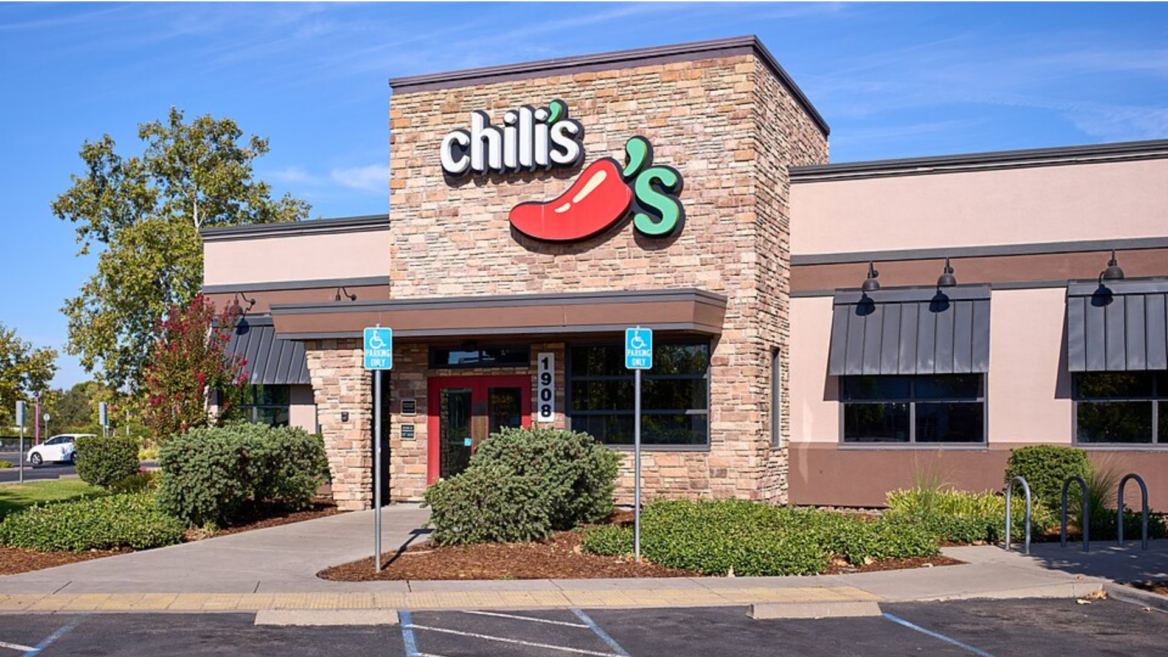

Four years after launching its turnaround under CEO Kevin Hochman, Brinker International presented investors and analysts on September 17 with a concrete unit-growth roadmap: 30 new Chili’s restaurants per year by fiscal 2029, supported by a pipeline of 46 deals in progress and a portfolio that has posted 71% same-store sales growth over five years. Franchise restaurant development is part of the plan alongside corporate-owned restaurant construction.
For much of the past decade, Chili’s focused on stabilization rather than growth. The brand closed hundreds of underperforming locations between 2018 and 2022, reducing its domestic footprint to roughly 1,200 restaurants. What followed was a methodical operational rebuild: menu simplification, value positioning, and more than $100 million in deferred maintenance addressed across the estate.
The results have been measurable. By fiscal year 2026, same-store sales had risen 71% over five years, a performance that outpaced most peers in the casual dining sector. The question at Brinker’s September 17 Investor Day was whether the franchise brand could now translate that recovery into a sustained growth phase.

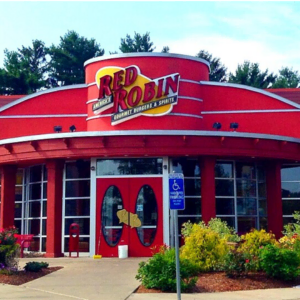
Chili’s Grill & Bar
Chili’s. More Life Happens Here.
- Restaurant
- Not disclosed
- Liquid capital: $Not disclosed
Thirty New Restaurants a Year by Fiscal 2029
Brinker outlined a target of 2% to 3% annual net unit growth, which at the current system size translates to roughly 20 to 30 new openings per year. The pace is set to accelerate: the company has approved 15 restaurants for fiscal 2028 and another 15 for fiscal 2029, with 46 additional deals in progress at the time of the presentation.
For fiscal 2026, plans call for six new corporate locations in the United States and two to four domestic franchise restaurants, alongside 24 to 28 international openings, for a combined worldwide total of approximately 32 to 38 new Chili’s during the fiscal year.
Franchise Development Back in the Mix After Years of Contraction
Brinker’s growth strategy carves out a role for franchisees alongside its corporate construction program. The company recently acquired 10 franchised locations in Alabama and has identified five additional sites in the state, a sign that Brinker is actively managing its franchised territory rather than simply adding new units.
At the same time, the brand has opened its development rights across all 50 states, allowing franchisees to build in markets previously controlled by corporate, including smaller communities and infill sites at the edges of growing metro areas. Analysts at Mizuho maintained a price target of $275 on Brinker stock following the Investor Day presentation.
Longer-Term Targets and the Remodeling Commitment
Beyond unit count, Brinker introduced fiscal 2029 targets covering revenue growth of 4% to 6% annually and double-digit annual earnings-per-share growth. The company also indicated plans for 3% to 5% annual share repurchases, subject to board approval. A remodeling program runs parallel to the new construction pipeline: with deferred maintenance now largely addressed, Brinker said it can redirect capital toward upgrades designed to drive incremental sales.
The company did not disclose the per-unit investment required for the remodels, or the franchise fee terms attached to new development agreements signed under the current growth program.
This content is provided for informational purposes only and does not constitute legal, tax, financial, or professional advice. Laws and regulations vary by state and individual circumstances and may change over time. Readers should consult a qualified attorney, tax professional, or other licensed professional regarding their specific situation. Nothing herein creates an attorney-client relationship.