
A Michigan food truck that triggered a viral shawarma movement online is now building a national franchise. Amo Sami’s Shawarma, formally launched as a franchise concept in 2024, announced in April 2026 that 102 locations are in development across more than 14 states, as the brand extends from its Detroit-area base into Florida, Arizona, and Ohio.
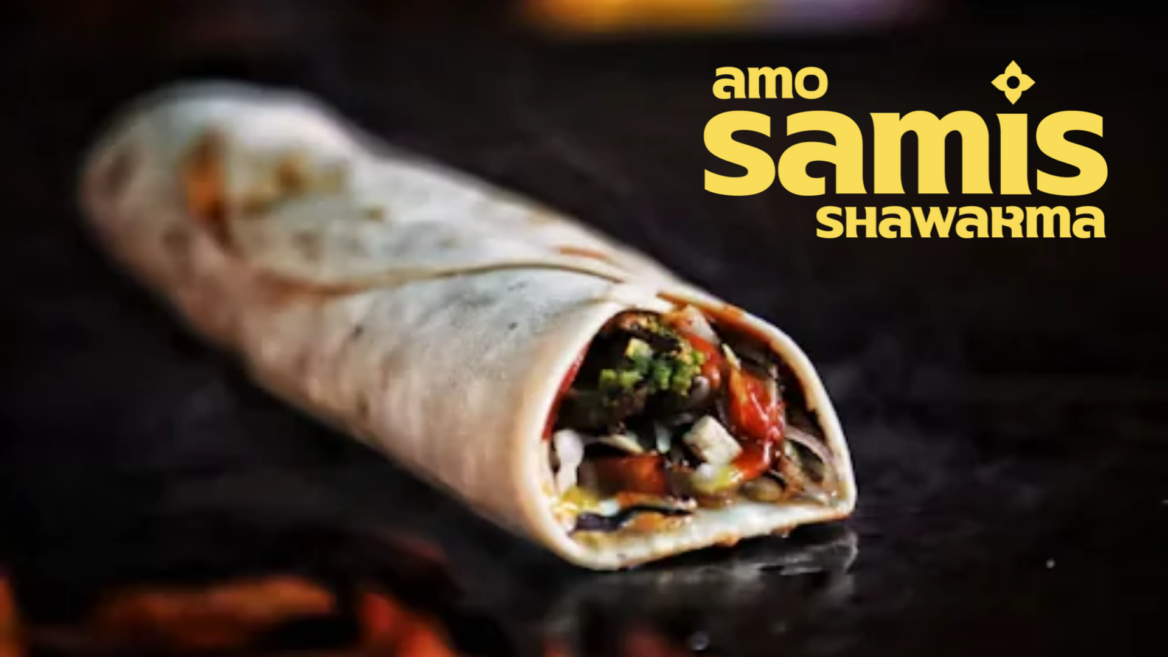
The concept traces its roots to 2016, when Sami Rayshouny opened a small family restaurant in the Detroit area under the name Sami’s Fattoush. In 2022, Rayshouny shifted to a food truck format, where his slow-cooked, crispy chicken shawarma became the focus.
Lines at large regional events and a wave of social media videos under the name #SamiStyle pushed the brand to national attention. In 2024, Rayshouny formalized the concept alongside co-founder Weesam “Sam” Ali, naming it Amo Sami’s Shawarma. “Amo” is the Arabic word for uncle, and the brand positions itself as a family-style, community-rooted fast-casual concept. All proteins served at every location are certified 100% halal.


Amo Sami’s Shawarma
100% Halal · Authentic Lebanese recipes, with Sami’s twist
- Restaurant
- Liquid capital: $
90 New Franchise Agreements Signed in One Announcement
On April 14, 2026, the company published a press release announcing it had signed 90 new franchise agreements, bringing its total development pipeline to 102 locations. The brand said it operates across more than 14 states and has built supply chain and operational infrastructure capable of supporting locations in all 50 states.
The expansion push follows a deliberate sequencing: the co-founders stated they prioritized internal systems over speed, ensuring each franchised location could replicate the same product and guest experience as the original Detroit-area units.
From Six Michigan Locations to a Multi-State Rollout
The brand currently counts six open locations, all in Michigan: Dearborn, Southgate, Sterling Heights (two units), Warren, and Wayne. A seventh restaurant opened in Tampa, Florida in May 2026, marking the brand’s first out-of-state footprint. Three additional markets are listed as coming soon on the company’s website: Tempe, Arizona; Wesley Chapel, Florida; and Dublin, Ohio.
The opening sequence reflects a pattern common to emerging fast-food franchises: dense home-market operations first, then a handful of distant markets as operational proof points before a broader national buildout. “We’re seeing people go out of their way to come try it. That level of support is what drives us to keep raising the bar as we grow,” adds Sami Rayshouny, Co-Founder of Amo Sami’s Shawarma.
Halal Fast Casual as a Positioning Anchor
The halal fast-casual segment has attracted growing consumer and investor attention in the United States over recent years, driven by broader demand for diverse protein formats and certified supply chains across urban and suburban markets.
Amo Sami’s Shawarma centers its product differentiation on a specific preparation: proteins slow-cooked on a vertical rotisserie and pressed to order for a crispy exterior, a method the brand describes as its defining signature. The name “Amo Sami” and the brand’s community involvement, including local food drives and Ramadan programs, reinforce a positioning grounded in cultural authenticity rather than generic Middle Eastern fast-food aesthetics.
Investment Details and Next Steps
No franchise fee or investment range figures appear in publicly available materials from the brand as of this writing. The company’s franchise development is supported by PRO RCS, cited in company communications as a key partner in the brand’s growth infrastructure. The conversion of 102 in-development commitments into open restaurants will depend on site selection, permitting, and individual franchisee timelines across each market. Amo Sami’s Shawarma has not disclosed a target opening count for 2026 or a projected year for reaching full national coverage.
This content is provided for informational purposes only and does not constitute legal, tax, financial, or professional advice. Laws and regulations vary by state and individual circumstances and may change over time. Readers should consult a qualified attorney, tax professional, or other licensed professional regarding their specific situation. Nothing herein creates an attorney-client relationship.