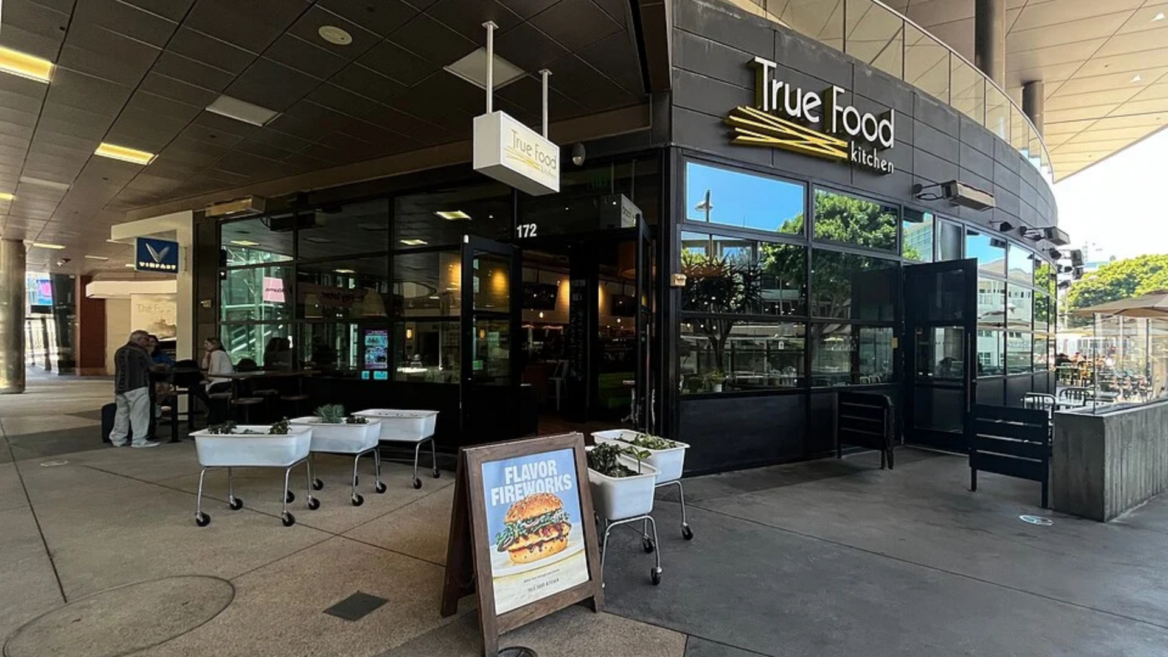

True Food Kitchen, the health-focused casual dining chain founded in Phoenix in 2008 by integrative medicine pioneer Dr. Andrew Weil and restaurateur Sam Fox, filed for Chapter 11 bankruptcy protection in early October 2026. The filing came after 12 of its locations closed and with approximately $42 million in debt, despite the brand having raised more than $100 million in investment capital over its history, including a high-profile stake from Oprah Winfrey.
True Food Kitchen built its identity around the anti-inflammatory food principles developed by Dr. Weil, positioning the concept at the intersection of wellness culture and full-service dining. The brand attracted significant institutional backing, including from private equity firm Centerbridge Partners, and in 2018 announced a personal investment from Oprah Winfrey alongside a plan to double in size.
A subsequent capital raise brought the total funding to over $100 million. By 2026, the chain operated locations across more than a dozen states before the financial deterioration that preceded the bankruptcy filing.
Twelve Locations Close as the Chapter 11 Filing Lands
True Food Kitchen closed 12 locations in connection with the Chapter 11 filing, with the shuttered sites spanning multiple states. Several locations, including the Palo Alto, California and King of Prussia, Pennsylvania units, remained operational as of mid-October 2026, indicating that the restructuring is focused on a partial footprint reduction rather than a full wind-down.
The company engaged communications firm Teneo for restructuring support as of October 8, 2026. John Williams had been named chief executive officer ahead of the filing as part of a leadership transition tied to the restructuring process.
One Hundred Million Raised, Forty-Two Million in Debt
Court filings list total debt of approximately $42 million at the time of filing. The figure stands against a fundraising history that exceeded $100 million over the brand’s 18-year lifecycle. The gap reflects a pattern analysts have tracked across premium casual dining concepts: capital raised during periods of rapid expansion can mask underlying unit economics that do not sustain profitability at scale.
True Food Kitchen’s average check, labor model, and ingredient sourcing standards placed it in a cost tier that proved difficult to reconcile with the customer traffic levels needed to cover fixed occupancy expenses in its largest markets.
The Cost Structure Behind the Collapse
True Food Kitchen’s model required above-average food costs relative to full-service peers, driven by its commitment to organic sourcing and seasonal, physician-guided menus. Labor costs in the full-service segment have risen sharply since 2022, and the brand’s positioning did not lend itself to the service-model simplifications that other casual dining chains used to reduce hourly labor exposure.
Lease obligations, which the company has sought to exit through the Chapter 11 process, represented a further fixed-cost burden concentrated in high-rent urban and suburban retail corridors. The combination produced financial results that a series of capital injections could not structurally repair.
Lease Exits and the Restructuring Path
A central objective of the True Food Kitchen Chapter 11 proceeding is the rejection of underperforming lease agreements, a tool Chapter 11 provides to allow restaurant operators to renegotiate or exit real estate commitments that are no longer financially viable. T
he approach mirrors strategies used by other restaurant groups in recent restructurings, including operators within the Wendy’s, Hardee’s, and Popeyes systems in 2026. The outcome of the True Food Kitchen proceeding, whether a reorganized operating company, an asset sale to a new operator, or a further reduction in the active location count, had not been confirmed in public court filings reviewed as of October 19, 2026.
This content is provided for informational purposes only and does not constitute legal, tax, financial, or professional advice. Laws and regulations vary by state and individual circumstances and may change over time. Readers should consult a qualified attorney, tax professional, or other licensed professional regarding their specific situation. Nothing herein creates an attorney-client relationship.