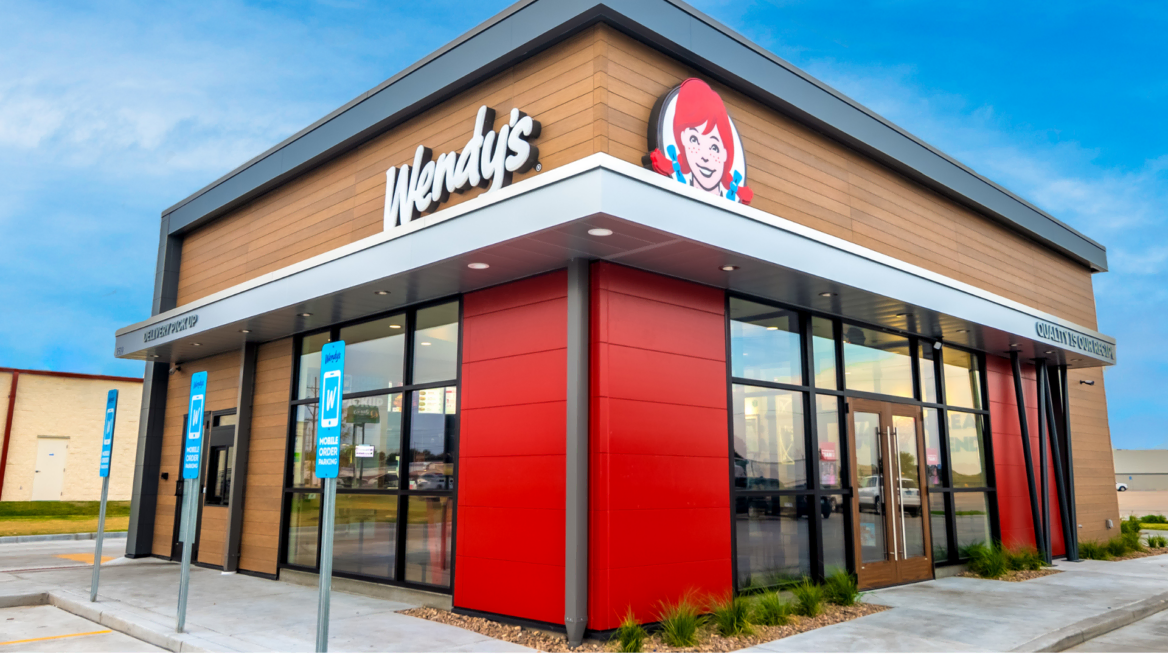

Trian Fund Management has no current plans to pursue a Wendy’s acquisition, per Reuters, pulling back from reports earlier this month that Nelson Peltz was assembling a buyout group. The retreat puts the turnaround of the Wendy’s franchise brand squarely in the hands of CEO Bob Wright, who took over in May 2026 as Wendy’s fourth chief executive in three years, inheriting a system where US same-restaurant sales fell 7% and customer traffic dropped 12.5% in the second quarter.
Trian, Wendy’s largest shareholder, had reportedly been working with BlueFive Capital and Flynn Group, the world’s largest restaurant franchisee organization and an operator of Wendy’s restaurants, on a potential transaction. Reuters cited concerns over the chain’s valuation, recent trading performance, and strategic direction as factors behind Trian’s decision to pause. The investment firm has previously explored taking Wendy’s private. In May 2022, it announced it would evaluate a potential deal before ultimately declining to proceed. Discussions resurfaced in early 2026 before the most recent withdrawal. Trian has not confirmed it has exited its Wendy’s position.


Wendy’s
Quality Is Our Recipe
- Restaurant
- Liquid capital: $
Bob Wright Takes Stock of What Went Wrong
Bob Wright joined Wendy’s from Potbelly Corporation, where he served as CEO, and is the fourth person to lead the chain in three years. He has already attributed the chain’s loss of the No. 2 burger spot to Burger King to what he called “quality degradation,” a phrase that surfaced in earlier public comments and that has since framed his entire diagnostic. In an interview with The Wall Street Journal, he said the menu needs to be rebuilt “at the ingredient level, at the item level, at the menu-category level,” with burgers, chicken, salads, and Frosty desserts among the categories under review. He outlined five turnaround priorities: food quality and value, branding and marketing, operational execution, digital frequency, and investment in the physical restaurant base. On discounts, he said Wendy’s had leaned too heavily on promotions and needs to shift focus back to delivering value through the core menu.
Q2 Results: Traffic Down 12.5%, 289 Closures in Six Months
Wendy’s second quarter 2026 results framed the scale of the challenge. US same-restaurant sales fell 7% year over year, while customer traffic declined 12.5% over the same period. Average check rose 5.6%, reflecting price increases that partially offset lower visit counts, a pattern documented across much of the fast-food sector in recent quarters. On the unit count side, 289 domestic restaurant closures were recorded in the first half of 2026. Global systemwide sales fell 6.5% in the second quarter, and adjusted EBITDA declined $22.5 million to $124.1 million. Wendy’s subsequently withdrew its full-year 2026 financial outlook and indicated it does not expect year-over-year systemwide sales growth in the third or fourth quarter.
A New Marketing Chief and a Newly Created Role
One of Wright’s first structural moves has been a senior marketing hire. Tariq Hassan, formerly McDonald’s senior vice president and US chief marketing and customer experience officer, has joined Wendy’s in a newly created position: chief marketing and customer growth officer. Hassan’s remit covers marketing, customer experience, digital engagement, and brand building, areas the chain has signaled are central to recovering lost traffic. Wendy’s had previously planned to close between 5 and 6 percent of its US restaurant base; Wright has since indicated that additional closures remain possible as the company evaluates individual underperforming locations case by case.
This content is provided for informational purposes only and does not constitute legal, tax, financial, or professional advice. Laws and regulations vary by state and individual circumstances and may change over time. Readers should consult a qualified attorney, tax professional, or other licensed professional regarding their specific situation. Nothing herein creates an attorney-client relationship.