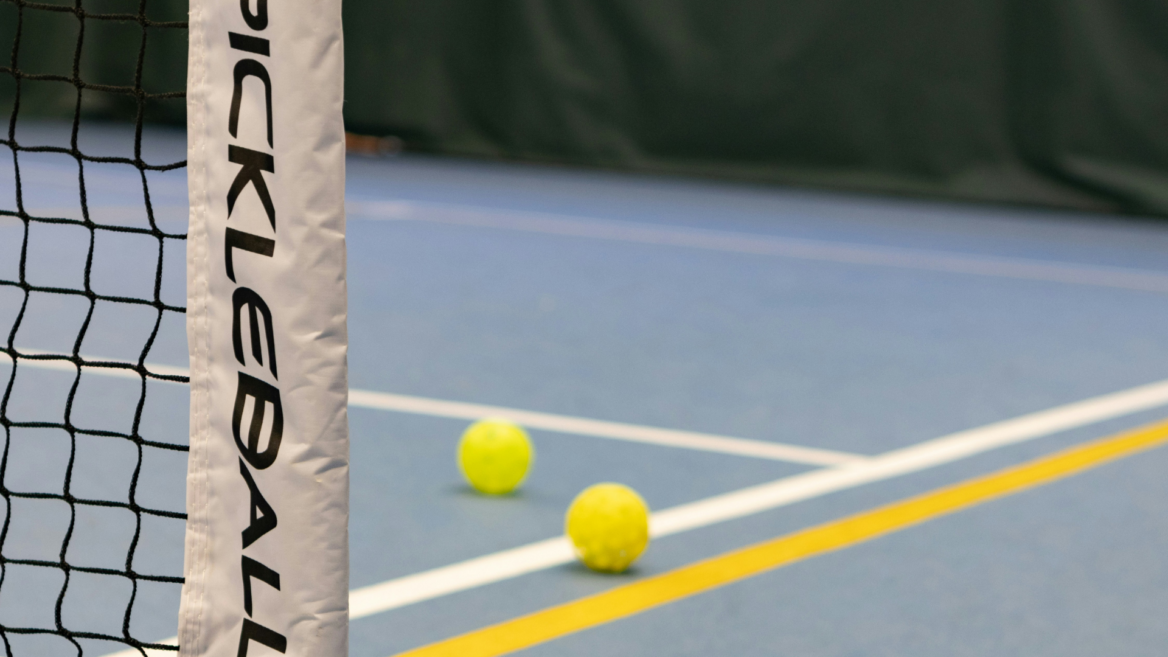

The Picklr, the largest US indoor pickleball franchise brand with more than 70 locations in 29 states, filed for Chapter 11 bankruptcy in Texas federal court on October 10, 2026. The parent company disclosed approximately $19 million in total liabilities and 2025 revenues of $10.3 million, revealing a network that expanded faster than its financial structure could sustain.
The Picklr was founded as pickleball participation surged across the US following the pandemic years, growing into an operation with locations in Canada, Australia, and Japan in addition to its US network. The company reported 2025 revenue of $10.3 million and a net loss of $4.4 million, a gap reflecting the pace of infrastructure investment relative to income.
A prior Series B funding round had placed the company’s valuation at $59 million. By early 2026, the network counted more than 70 US locations, but approximately 40 of those operated under leases backed by corporate guarantees, a structure the filing now identifies as central to the financial difficulties.
Total liabilities declared by Picklr Inc. as of March 2026, against 2025 revenues of $10.3 million. (Source: US Bankruptcy Court filings / The Dink, October 2026)

A Parent Company Filing, Not a System-Wide Closure
The Chapter 11 petition was filed by Picklr Inc., the parent holding company, in the US Bankruptcy Court for the Northern District of Texas. The filing does not cover the company’s operating subsidiaries or individual franchise locations. The company stated that no clubs are closing as a direct result of the petition and that franchise partners are operating normally. That distinction matters for the more than 70 active franchisees across the network. The approximately 40 locations carrying corporate-backed leases represent the segment most exposed to the restructuring. Their situation will be addressed through renegotiations with individual landlords conducted under court supervision.
A Franchisee Stepping In as Restructuring Sponsor
The debtor-in-possession financing arrangement carries an uncommon feature. Dynamus Alliance, LLC, a vehicle led by existing franchisee Tom Neale, committed $4.5 million in DIP financing, subject to court approval. Dynamus is expected to sponsor the reorganization plan and, if that plan is confirmed, to emerge as the network’s lead investor.
In parallel, the company appointed Rick Rosenbloom as Chief Restructuring Officer to oversee the proceedings and coordinate negotiations with creditors and landlords. The company also asked the court to authorize continued payments to employees and vendors during the process.
Key figures in the filing
The Chapter 11 petition, filed October 10, 2026, covers only the parent entity Picklr Inc. The filing reveals total liabilities of $19 million, a 2025 net loss of $4.4 million, and DIP financing of $4.5 million from Dynamus Alliance, led by franchisee Tom Neale. No clubs are closing as a direct result of the petition.
Rapid Growth and the Weight of Lease Commitments
The Picklr once attracted a Series B valuation of $59 million, supported by sustained growth in pickleball participation across the US in the years following the pandemic. Indoor court facilities carry a distinctive cost structure: large-format square footage, specialized flooring, and multi-year lease commitments are standard for the format. When corporate guarantees backed those leases during a period of rapid unit growth, the resulting fixed-cost exposure accumulated faster than the revenue base could absorb it.
The company’s 2025 financials, $10.3 million in revenue against $19 million in total liabilities as of March 2026, reflect that trajectory. The founder identified the pace of lease-guarantee commitments as the central mistake in the brand’s expansion strategy, according to reporting by The Dink.
What the Chapter 11 Process Involves
Under Chapter 11, Picklr Inc. aims to renegotiate lease obligations with landlords, reorganize outstanding debts and contracts, and structure a recovery plan anchored by the Dynamus Alliance sponsorship. No exit timeline from bankruptcy has been disclosed. For franchise locations not carrying corporate-backed leases, the immediate operational effect is limited: those clubs continue under their own agreements.
For the approximately 40 locations under corporate guarantees, the outcome will depend on negotiations that Chief Restructuring Officer Rick Rosenbloom and the bankruptcy court will oversee in the months ahead. The network’s international operations in Canada, Australia, and Japan are not covered by the US-only filing.
This content is provided for informational purposes only and does not constitute legal, tax, financial, or professional advice. Laws and regulations vary by state and individual circumstances and may change over time. Readers should consult a qualified attorney, tax professional, or other licensed professional regarding their specific situation. Nothing herein creates an attorney-client relationship.