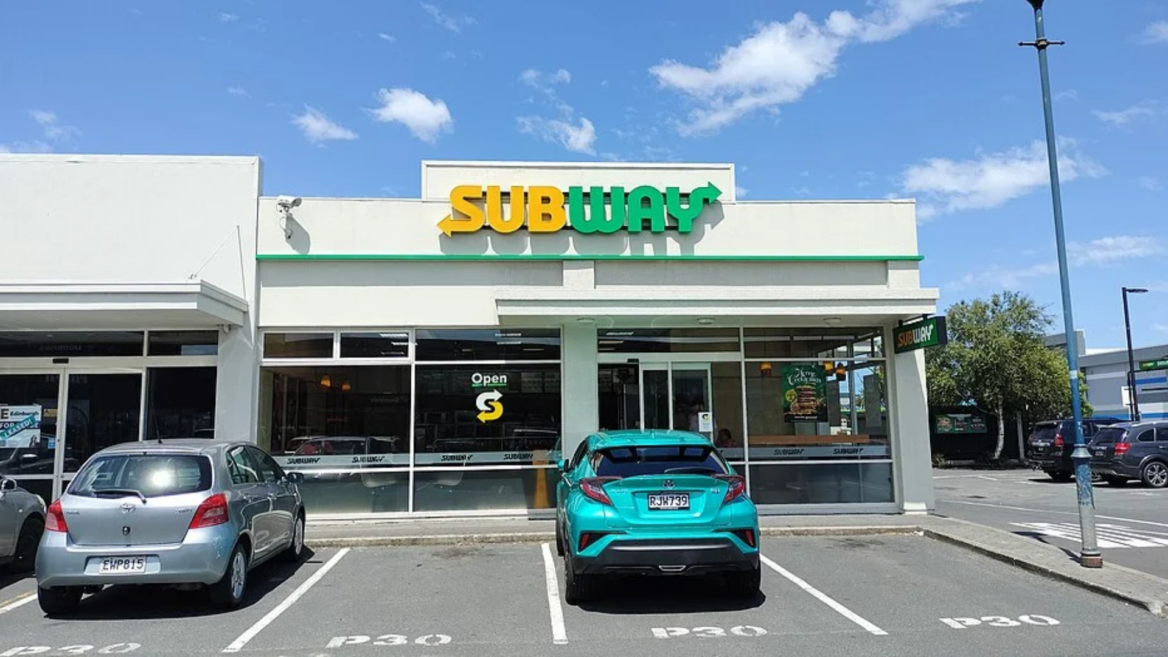

An Illinois Subway operator has surrendered all five of his Quad Cities restaurants to Subway corporate after four years in the system. The closures add to a contraction that has reduced the brand’s US unit count from a historic peak of 27,100 to 18,773 locations, a net loss of more than 8,300 franchise restaurants in roughly 12 years.
Gerold Shelton joined the Subway franchise system in 2021 and built a portfolio of five locations across the Quad Cities area of Illinois. In late October 2026, he surrendered all five stores to Subway corporate, citing the ongoing difficulties facing the franchise brand.
According to reports from the region, Shelton has been actively working to help displaced employees find new jobs at other businesses, a step that reflects the broader human impact of franchisee exits in a contracting system.
Five Locations Return to Subway Corporate
Surrendering units to the franchisor, rather than selling them on the open market or closing them outright, is a recognized exit path in franchise agreements. It typically returns the license and the physical location to the brand, which can then relist the units for refranchising or reassign them to an existing operator.
In Shelton’s case, the five Quad Cities stores represent a full exit from the system after four years of operation. No details on the financial terms of the surrender arrangement were reported publicly. The situation in Illinois follows a pattern of independent franchisees exiting markets where the unit economics have become difficult to sustain.
Subway US restaurant count as of late 2026, down from a peak of 27,100, a net reduction of more than 8,300 US locations since the brand’s high point. (Source: Yahoo Finance, October 2026)

A Brand Shrinking at Its Steepest Pace in Years
The Quad Cities closures are one data point in a sustained multi-year contraction. Subway shed 729 net US locations in 2025, the steepest single-year decline the brand had recorded since 2021. The current US count of 18,773 units compares with a peak of 27,100, meaning the brand has contracted by roughly 30% from its maximum size.
The contraction has been driven by a combination of franchisee exits, corporate refranchising activity, and the closure of underperforming stores as part of the brand’s stated strategy to improve average unit volumes across its remaining locations.
The Economics Behind the Exits
Subway’s contraction reflects structural pressures that have accumulated over more than a decade. Average unit volumes at Subway have historically lagged behind those of many fast-food competitors, limiting the financial returns available to franchisees against fixed costs that include rent, labor, royalties, and marketing fund contributions.
The brand has pursued a remodeling program and a menu overhaul in recent years, with the goal of improving per-unit performance. Industry analysts have noted that the closures concentrate in markets where lease costs are high relative to sales volumes, or where operators entered the system during a period of aggressive franchise expansion that preceded the current contraction phase.
What Comes Next for Subway and Its Franchise Network
Subway has publicly described its unit reduction as a deliberate quality-over-quantity strategy, aiming to concentrate its US presence in higher-performing locations rather than maintaining the raw count. The brand reported positive same-store sales trends in recent quarters, suggesting that the surviving units have benefited from reduced system-wide competition and ongoing menu improvements.
For franchisees who remain in the system, the consolidation of the network raises questions about territory density and the long-term trajectory of the brand’s US footprint. The Quad Cities closures illustrate that the exit process continues in parallel with these brand-level measures, unit by unit and market by market.
This content is provided for informational purposes only and does not constitute legal, tax, financial, or professional advice. Laws and regulations vary by state and individual circumstances and may change over time. Readers should consult a qualified attorney, tax professional, or other licensed professional regarding their specific situation. Nothing herein creates an attorney-client relationship.