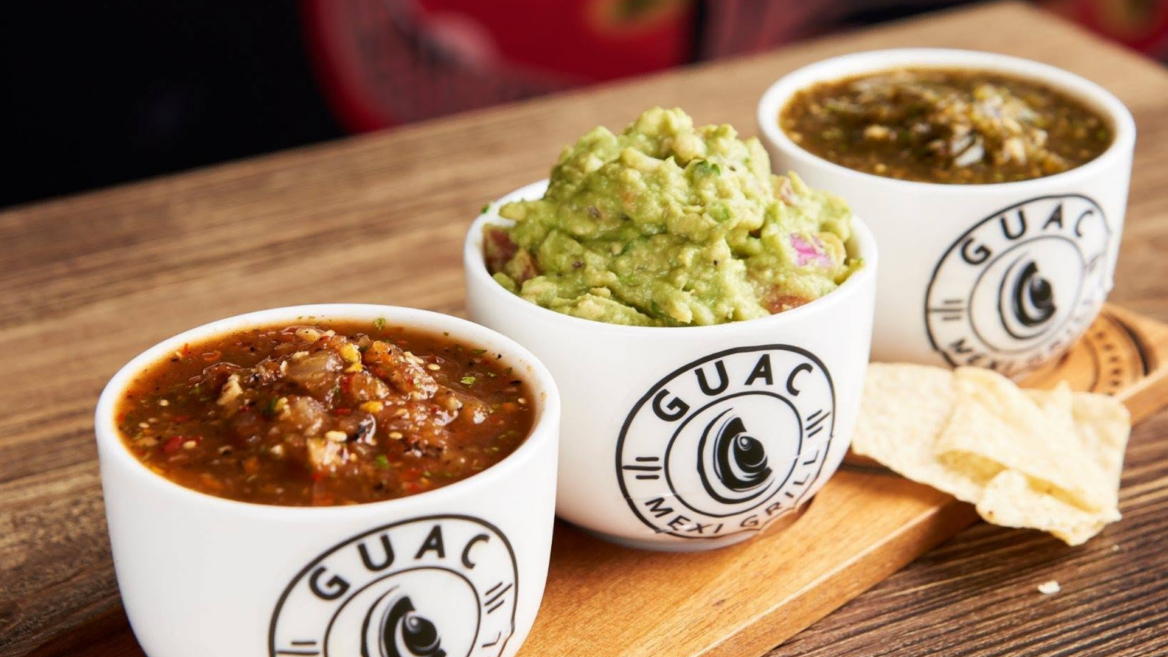

A Canadian fast-casual Tex-Mex franchise brand is entering the American market for the first time. Guac Mexi Grill, which has built a network of more than 55 franchise restaurants across Canada since 2016, announced a 95-unit U.S. development agreement on October 26, 2026, targeting Georgia, South Carolina, and Florida over a 10-year phased expansion timeline.
Founded in Oakville, Ontario by Trushna Makadia, Guac Mexi Grill grew its Canadian presence largely through word of mouth before accelerating through a franchise-only model with no corporate-owned locations.
The brand operates in 1,000 to 1,400 square-foot inline and end-cap formats, with seating and on-site cooking. Its 10th anniversary in 2026 coincides with two simultaneous international moves: the U.S. development agreement announced this week and a master franchise partnership in India, announced earlier this year.
A 95-Unit Deal Targeting Three Southeast States
The October 26 announcement covers a 95-unit build-out across Georgia, South Carolina, and Florida under a 10-year development agreement. The first U.S. locations are expected to open in 2027. The press release did not identify the U.S. development partner by name or disclose the financial terms of the agreement.
The U.S.-facing entity operating the franchise program is Guacmexigrill Franchising LLC. The brand’s U.S. franchise registration is ongoing, meaning availability currently varies by state.
A Compact Format and a Market Built for Fast-Casual Mexican
Guac Mexi Grill’s restaurant format sits between 1,000 and 1,400 square feet, positioned in strip plazas and street-front locations. According to the brand’s franchise development materials, the total initial investment for a U.S. location ranges from $350,000 to $380,000, with a franchise fee of $25,000, a royalty of 6% of gross sales, and a brand development contribution of 2%.
A minimum of $150,000 in liquid capital is among the eligibility criteria. The Southeast states targeted by the deal, particularly metropolitan Georgia and Florida, combine dense suburban retail corridors with some of the country’s highest concentrations of Latin American residents, a demographic that has historically driven demand for premium Mexican fast-casual concepts.
Good to know
Guac Mexi Grill’s U.S. franchise registration is in progress at the time of the announcement. State-by-state availability for prospective franchisees may vary. The brand’s U.S. development team can be reached at guacmexigrillusa.com.
Canada and India: Two International Moves in the Same Year
The U.S. agreement is Guac Mexi Grill’s second international development announcement in 2026. Earlier this year, the brand entered India through a master franchise partnership, though the unit count and development timeline for that market were not publicly disclosed.
The two moves together represent a simultaneous multi-market push that Canadian restaurant brands have historically reserved for later stages of maturity. Guac Mexi Grill reports adding 10 to 15 restaurants per year in Canada, a pace it has maintained since resuming growth after the pandemic period.
First U.S. Openings Expected in 2027
Under the 10-year development schedule, Guac Mexi Grill’s first American restaurants are expected to open in 2027, following site selection and build-out processes in Georgia, South Carolina, and Florida. The brand has operated exclusively through franchising since its founding, with the original Brantford, Ontario location still running under franchise ownership.
Prospective U.S. franchisees are directed to guacmexigrillusa.com, which is operated by Guacmexigrill Franchising LLC. The brand intends to bring the same inline-format model that drove its Canadian growth to the American Southeast, though the specific rollout order across the three target states has not been announced.
This content is provided for informational purposes only and does not constitute legal, tax, financial, or professional advice. Laws and regulations vary by state and individual circumstances and may change over time. Readers should consult a qualified attorney, tax professional, or other licensed professional regarding their specific situation. Nothing herein creates an attorney-client relationship.