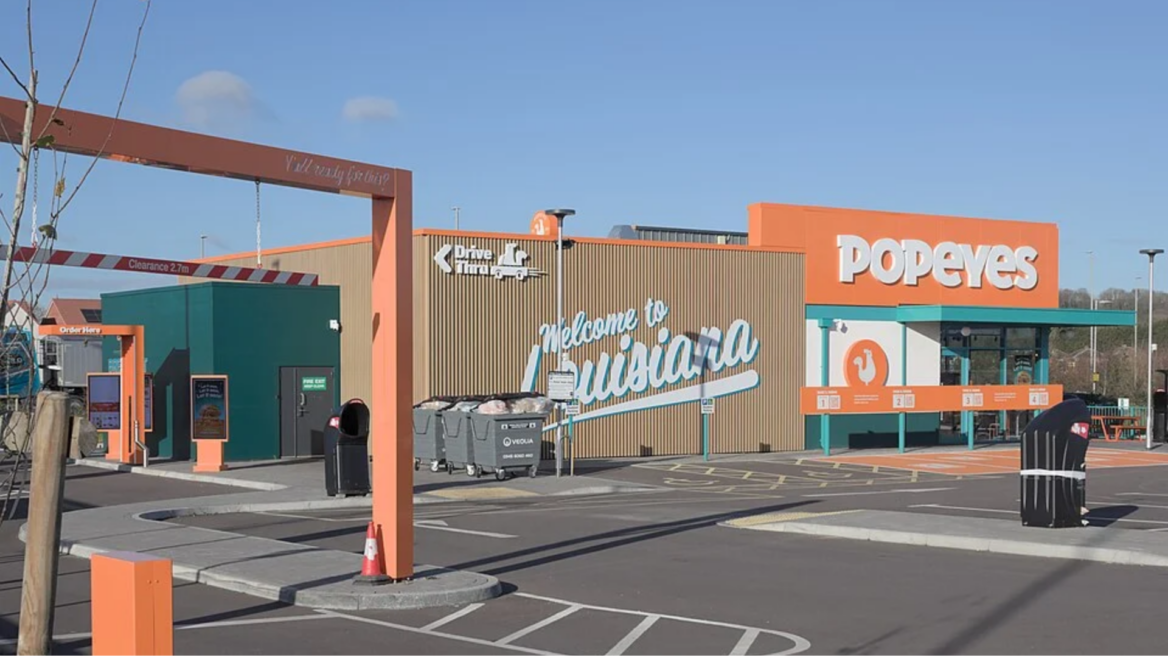

Nine months after filing for Chapter 11 with more than $129 million in secured debt, Sailormen Inc., a Miami-based Popeyes Louisiana Kitchen franchisee, has reached a global settlement to exit bankruptcy protection. On October 22, 2026, a federal judge announced plans to approve the deal, closing one of the largest franchise insolvency cases in the fast-food sector this year.
Sailormen Inc. filed for Chapter 11 bankruptcy in January 2026, disclosing secured debts exceeding $129 million and total liabilities of up to $342 million. At the time of filing, the Miami-based company operated one of the largest independent Popeyes Louisiana Kitchen franchise networks in the United States. L’Express Franchise covered the initial case in June 2026, when the scale of the debt and the number of locations at risk had become the central issue before the court.
A Court-Approved Deal Ends Nine Months of Reorganization
On October 22, 2026, the presiding federal judge announced plans to approve a global settlement that would allow Sailormen to exit Chapter 11. Under the terms of the deal, Popeyes and the company’s creditors agreed to accept reduced repayment amounts in exchange for a structured resolution of all outstanding claims.
The settlement was described in court as a global deal covering the full scope of Sailormen’s outstanding obligations, rather than a series of individual creditor agreements. Formal approval proceedings were expected to follow the October 22 announcement.
Total proceeds generated by the sale of 97 Sailormen restaurants during the Chapter 11 process, against secured debts exceeding $129 million at the time of filing.

Ninety-Seven Stores Sold, Thirty-Nine Permanently Closed
During the nine-month reorganization, 97 Sailormen restaurants were sold through the bankruptcy process, generating $16.6 million in proceeds. An additional 39 locations were permanently shuttered rather than transferred to new operators. The combined effect removed a total of 136 restaurants from Sailormen’s portfolio.
The sale prices reflect conditions typical of distressed restaurant asset transactions, where units often trade at significant discounts to their replacement cost, particularly when a brand’s performance has been a factor in the seller’s financial difficulties.
One of the Largest Franchise Bankruptcies in Fast Food This Year
The Sailormen case stands as one of the most significant franchise insolvency proceedings in the US fast-food sector in recent years. With total liabilities reaching up to $342 million, the case drew attention to the capital structure risks facing large multi-unit operators who carry substantial debt against a brand’s royalty and operational obligations.
For the broader Popeyes Louisiana Kitchen franchise system, the restructuring concluded a period of uncertainty over the fate of a large block of units. Popeyes had been a party to the settlement negotiations, indicating the brand’s active role in resolving the case rather than leaving outcomes solely to creditor and court processes.
What Comes Next for the Sold and Remaining Units
The identity of the buyers who acquired the 97 sold restaurants had not been publicly disclosed as of publication. Industry observers note that distressed asset sales of this scale often attract multi-unit operators looking to expand their footprint at below-market cost, as well as private equity-backed consolidators active in the quick-service restaurant sector.
For the 39 permanently closed locations, affected employees and suppliers face the outcomes typical of a restaurant closure. The global settlement, once formally approved, is expected to allow Sailormen to wind down or reconstitute its remaining operations under the terms agreed with creditors and the franchisor.
This content is provided for informational purposes only and does not constitute legal, tax, financial, or professional advice. Laws and regulations vary by state and individual circumstances and may change over time. Readers should consult a qualified attorney, tax professional, or other licensed professional regarding their specific situation. Nothing herein creates an attorney-client relationship.