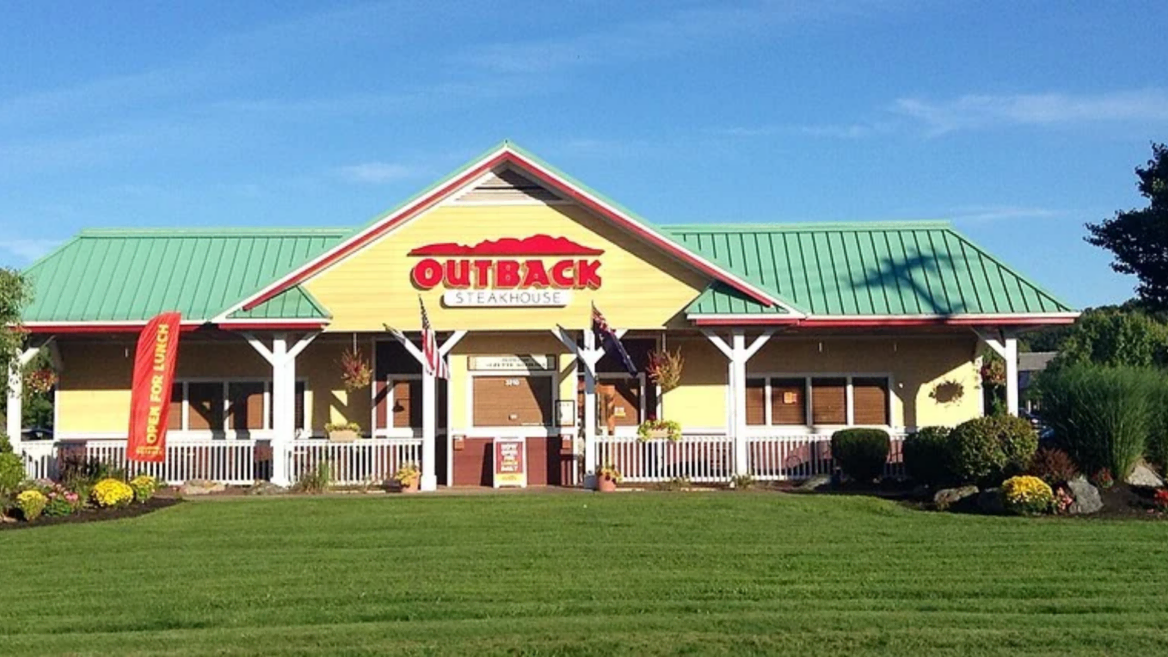

Sixty-one Outback Steakhouse restaurants across five Western states filed for Chapter 11 bankruptcy protection on November 2, 2026. The franchisee behind the filing, Cerca Trova Restaurant Group (operating as Out West Restaurant Group), cited California labor costs as a key financial pressure. Bloomin’ Brands has placed a stalking-horse bid of $26.3 million to reacquire the units.
Cerca Trova Restaurant Group operated 61 Outback Steakhouse franchise restaurants across California, Arizona, Nevada, Oregon, and Washington. The Chapter 11 petition, filed in federal bankruptcy court on November 2, 2026, also secured $5.5 million in debtor-in-possession (DIP) financing to maintain operations during the reorganization process. According to court documents, all 61 restaurants remain open and continue to serve customers while the proceedings unfold.
A 61-Unit Bankruptcy Filing Across the American West
Court filings identify Performance Food Group as the largest unsecured creditor, with a claim exceeding $4 million, followed by Matern Law Group with a claim exceeding $1.6 million. The reorganization covers all 61 restaurants in the franchisee’s portfolio. No restaurant closures were announced as part of the bankruptcy proceedings. The case represents one of the larger single-franchisee Chapter 11 filings in the casual dining segment in recent years.
Bloomin’ Brands Moves to Reacquire Its Own Franchise Units
Bloomin’ Brands, the Tampa, Florida-based parent company of the Outback Steakhouse brand, submitted a stalking-horse bid of $26.3 million to purchase the 61 restaurants out of the bankruptcy estate. In a court-supervised auction process, a stalking-horse bid sets the floor price that competing buyers must surpass to win the assets.
If no higher offer emerges before the court’s deadline, the transaction with Bloomin’ Brands would proceed as structured. The move is notable: a franchisor bidding to reclaim its own franchise units is relatively uncommon in the casual dining sector.
Good to know
A stalking-horse bid is the initial, court-approved offer in a bankruptcy auction. It sets the minimum acceptable price and the basic terms. Other buyers can submit higher bids during the auction window. If no competing bid arrives, the stalking-horse bidder wins the assets at the agreed price.
California Labor Costs Cited as a Key Financial Pressure
Court documents reference California labor cost increases as a significant factor in Cerca Trova’s financial difficulties. California has enacted multiple pieces of wage legislation affecting restaurant operators in recent years, creating cost structures that differ substantially from other states in the Western portfolio.
The FAST Recovery Act (AB 1228), which raised the minimum wage for qualifying fast food restaurant workers to $20 per hour starting April 2024, contributed to a broader wage environment increase across the California restaurant industry. Cerca Trova’s multi-state portfolio included a concentration of California locations, making the state’s labor market conditions particularly relevant to its operating economics.
Restaurants Remain Open as the Court Process Unfolds
Under Chapter 11 proceedings, a company continues operating while management, creditors, and the court work toward a reorganization plan or a sale of assets. The DIP financing of $5.5 million secured by Cerca Trova is designed to fund day-to-day operations, payroll, and vendor payments during this period.
The bankruptcy court will oversee the auction process, review any competing bids for the 61 restaurants, and confirm the terms of any transaction. The outcome of the bidding process will determine the future ownership structure of the units and any impact on the franchise agreements currently in place.
This content is provided for informational purposes only and does not constitute legal, tax, financial, or professional advice. Laws and regulations vary by state and individual circumstances and may change over time. Readers should consult a qualified attorney, tax professional, or other licensed professional regarding their specific situation. Nothing herein creates an attorney-client relationship.