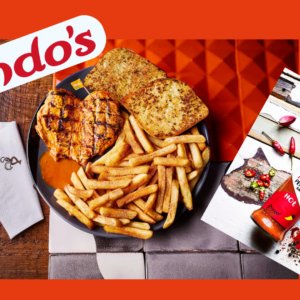

From business lunches to celebratory dinners, eating out is firmly embedded in UK life. And, with more than 30,000 restaurants operating nationwide, the sector forms a significant part of the hospitality industry.
While the market may be vibrant and varied, it is also highly competitive. Estimates suggest that as many as 60% of restaurants close within their first three years and that’s usually because they run out of cash, not customers!
For anyone considering opening a restaurant, thorough research, careful financial planning and a clear concept are essential ingredients for success
What Are the Key Steps to Opening Your Own Restaurant?
This guide breaks the process into practical, manageable stages. It’s a menu of decisions to help you build a commercially viable restaurant that thrives long after opening night.
Step 1 : Choose your Concept and Make your Niche in the Market
A successful concept is less about the food you personally enjoy and more about positioning. You must deliver something the market has an appetite for.
Interestingly, in the UK, cuisines such as Indian, Italian and traditional British are well established. Meanwhile, Middle Eastern, Korean and Southeast Asian concepts are growing but remain less saturated.
Step 2: Choose the Right Business Structure and Operating Model
A business plan is more than paperwork; it’s a test of commercial resilience and should outline your structure, financial forecasts, cashflow projections and market research.
Common structures include:
- Sole Trader – Simple to set up and you retain profits, but you are personally liable for debts. Less common for full-scale restaurants due to financial risk.
- Partnership – Shared responsibility, profit and liability. Suitable for chef–investor combinations but requires a watertight agreement.
- Limited Company (Ltd) – The most common structure. The business is a separate legal entity, protecting personal assets and often making investment easier.
- Franchise Operator – You trade under an established brand with systems and support in place. Risk can be reduced, but creative freedom is limited.
Franchise Restaurants in the UK
The UK franchise sector is worth over £19 billion and food and beverage remain one of its strongest categories.
Franchised restaurants represent a significant share of branded dining outlets in the UK, particularly in fast casual and quick-service segments.
For first-time operators, a franchise can offer:
- A lower failure rate than completely independent start-ups
- Access to established supply chains
- Immediate brand trust with customers
However, it also means operating within someone else’s framework. For entrepreneurs who value autonomy and brand-building, independence may be more attractive.
For anyone preferring system support and reduced uncertainty, franchising can be a strategic entry route.


SpudBros Express
The future of QSR
- Fast food
- 6 Locations
- Deposit: £50000
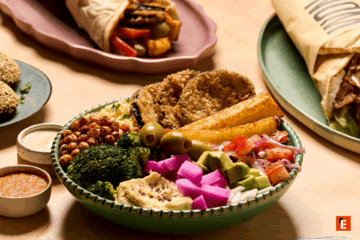

Dish’d
Restaurant Quality Virtual Brands
- Food
- 70 Locations
- Deposit: £15000


Griolladh
Fast Irish Comfort Food
- Food
- 13 Locations
- Deposit: £30000
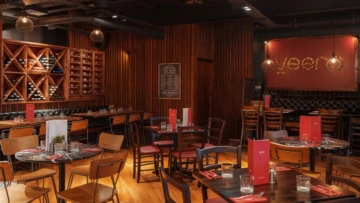

Veeno
Wine bar, restaurant
- Food
- 6 Locations
- Deposit: £85000
Step 3 : What kind of Licenses do you need to Open a Restaurant in the UK?
Before trading, you must be legally compliant. Getting this crucial step right protects your investment and prevents frustrating delays to opening.
Food business registration
Register with your local authority at least 28 days before opening. It is mandatory and free.
Food hygiene compliance
Your premises will be inspected under the Food Hygiene Rating Scheme. Your rating is public and influential.
Alcohol licences (if applicable)
You will need:
- A Premises Licence
- A Personal Licence for the designated supervisor
These are issued by your local council and take time to process.
Read also:
Music licence (PRS/PPL)
Playing background music usually requires the correct licence.
Planning permission / change of use
Most restaurants fall under Use Class E, but you may need approval for change of use, signage, extraction systems or outdoor seating.
Step 4 : Secure Funding and Calculate Your Start-Up Costs
No matter how strong the concept, your restaurant won’t survive without adequate funding.
A handy insight:
Opening costs vary, but even a modest independent restaurant may require £100,000–£250,000. Prime locations can exceed this significantly.
The critical mistake many owners make is underestimating working capital. Even though the first six months often see stabilising revenue, fixed costs will continue.
Industry data suggests that around half of closures relate to insufficient working capital rather than poor food or service.
Budget for:
- Premises costs (deposit, rent or purchase)
- Licences and insurance
- Kitchen equipment and fit-out
- Initial stock
- Branding, website and marketing
- Recruitment and wages
- Utilities and overheads
- Contingency funds
Funding options include personal capital, bank finance, private investors or franchise packages. Whatever route you choose, cashflow planning is as important as your opening budget.
Step 5 : Define where you want to set up your business – location
Location influences profitability but only if it aligns with your target audience.
Before signing a lease, consider:
- Local demographics and income levels
- Competition density
- Visibility and accessibility
- Parking and public transport links
- Lease terms and break clauses
- Delivery potential (Deliveroo, Uber Eats etc.)
A busy high street does not guarantee success. Indeed, a well-matched location with manageable rent can produce stronger margins than a premium address.
Step 6 : Establish and kit out your restaurant business
Designing your restaurant is a chance to put your mark on it; to make it unique to you and, most importantly, inviting. However, you should not lose sight of the fact that it must support both atmosphere and efficiency.
You’ll need to consider:
- Dining layout and capacity
- Kitchen workflow and compliance
- Bar or service positioning
- Storage and back-of-house space
- Accessibility
- Menu alignment with kitchen capability and margins
While it is tempting to overspend on interiors and finishing touches, operational efficiency has to come first because service speed and consistency matter more than statement lighting.
Step 7 : Choose the Right Suppliers and Protect Your Margins
Who you choose as your suppliers directly affects profitability. Quality matters, but so does pricing stability, delivery reliability and contract terms.
Consider:
- Local sourcing versus national wholesalers
- Pricing agreements and minimum orders
- Delivery schedules
- Credit terms
- Backup suppliers
Many successful restaurants use a blended model and regularly review gross profit margins per dish to ensure pricing remains sustainable.
Interestingly, restaurants rarely fail because food is poor; they fail because margins collapse.
Step 8 : Build Visibility Before You Open
A restaurant without marketing is a secret! In 2026, promotion extends well beyond leaflets, with digital visibility and online reputation now essential before and after launch.
Focus on:
- Clear branding and a professional website
- An optimised Google Business Profile
- Active Instagram and TikTok presence
- Online booking integration
- Review management
Early engagement such as soft launches, local partnerships and influencer collaborations is great for building awareness, and an email database creates a sustainable direct marketing channel from day one.
Whatever tactics and strategy you use, it can be helpful to remember the mantra: Consistency builds recognition. Recognition builds trust. Trust builds repeat customers.
Food for thought – plan an event around your opening
Opening a restaurant in the UK needs a blend of creativity and commercial discipline.
The most successful operators balance passion with planning, atmosphere with efficiency, and ambition with financial control.
Get the recipe right and your restaurant can move beyond surviving its first few years to becoming a place people crave and return to again and again. Because in the restaurant business, reputation is the key ingredient that compounds over time.