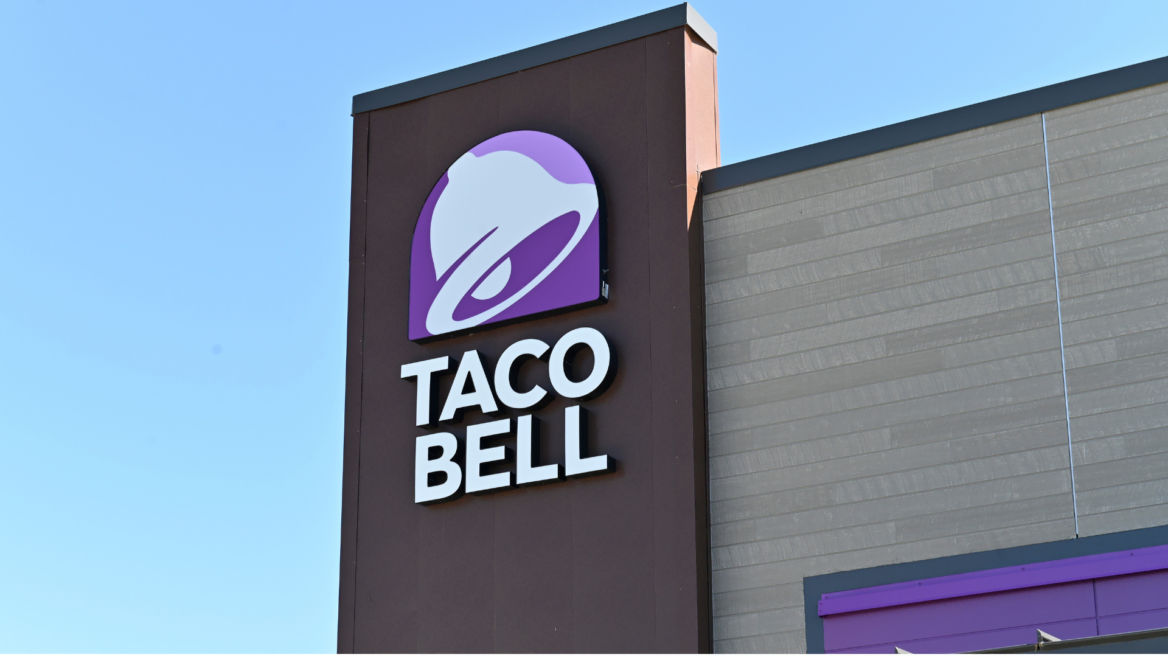

With Taco Bell, the Mexican-inspired quick-service restaurant franchise brand operated by Yum! Brands, posting systemwide average unit volumes above $2 million, multi-brand operator Southpaw has moved to deepen its footprint in the franchise concept. Co-founded by Judd and Erica Spector Wishnow, the company acquired 43 Taco Bell restaurants in Columbus, Ohio from Mas Restaurant Group, bringing its combined portfolio to 180 units and $475 million in annual sales.
Southpaw operates across nine states, pairing its Taco Bell holdings with 45 Dunkin’ locations. The company traces its roots to a small cluster of Dunkin’ stores in Hudson Valley, New York, before gaining its first Taco Bell foothold in 2018 through a 24-unit acquisition in Louisville, Kentucky. Since then, growth has come almost entirely through franchise-to-franchise transactions, with each deal targeting restaurants the Wishnows believe still have room to improve on operational performance and employee retention.
43 Columbus Restaurants Change Hands as Mas Restructures Its Portfolio
The Columbus acquisition is part of a broader repositioning by Mas Restaurant Group, a Bessemer Investors-backed operator that sold 44 of its Texas Taco Bell locations to Ghai Restaurant Group earlier in June, in a separate transaction also advised by Unbridled Capital. After both deals close, Mas retains 36 Taco Bell restaurants in Houston. Financial terms for the Columbus transaction were not disclosed. Southpaw’s per-unit average of $2.2 million in sales exceeds the Taco Bell system figure, which topped $2 million according to Yum Brands’ most recent earnings call.
Unit Economics That Keep Attracting Buyers
Taco Bell ended 2025 with just under 8,000 U.S. locations, making it one of the largest quick-service chains in the country. Its unit economics have drawn consistent interest from multi-unit operators looking to scale. According to Yum Brands’ year-end earnings figures, the brand added 159 net locations in 2025 alone. For operators like Southpaw, the combination of volume, brand recognition, and a lack of direct national competitors in its specific category makes the franchise particularly attractive as a platform for growth through acquisition.
A High-Cost Operating Model Built on Employee Benefits
Southpaw’s approach to acquisitions includes a deliberate decision to absorb higher operating costs in the period immediately following a purchase. The operator offers above-average bonuses, stronger health benefits, and free mental health access for all employees from day one, practices that Judd Wishnow acknowledges compress early margins relative to what sellers present in their financials. The strategy reflects a belief that workforce stability and morale contribute to unit-level performance over time, a thesis the company has applied across its nine-state footprint since 2018.
This content is provided for informational purposes only and does not constitute legal, tax, financial, or professional advice. Laws and regulations vary by state and individual circumstances and may change over time. Readers should consult a qualified attorney, tax professional, or other licensed professional regarding their specific situation. Nothing herein creates an attorney-client relationship.