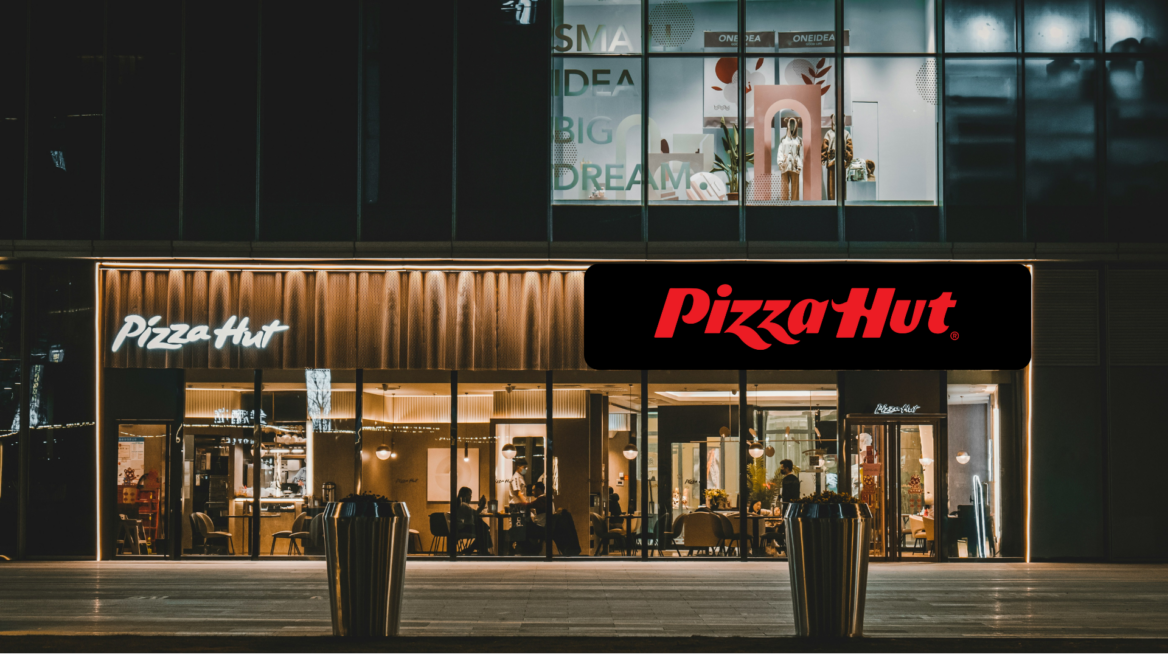

A major Pizza Hut franchisee is seeking $100 million in damages from the chain and its parent company Yum! Brands, alleging that a mandatory AI delivery system triggered “cascading operational breakdowns” across more than 110 locations in the Northeast. The lawsuit, filed in Texas, centers on the Dragontail platform and its unintended consequences for DoorDash-dependent delivery operations.
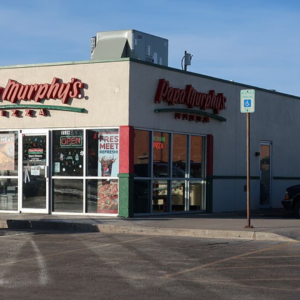
Chaac Pizza Northeast, which operates 111 Pizza Hut locations across New York, New Jersey, Maryland, Washington D.C., and Pennsylvania, filed the suit in the Business Court of Texas, First Division. The complaint accuses Pizza Hut and Yum! Brands of imposing the Dragontail Artificial Intelligence platform without adequate adaptation to Chaac’s delivery model, which relies entirely on DoorDash rather than in-house drivers. The case adds a significant legal dimension to the ongoing debate over mandatory technology rollouts in franchise systems and raises broader questions about the Pizza Hut franchise concept and the operational flexibility granted to franchise partners within the franchise brand.
A Mandatory AI Rollout With No Opt-Out
Yum! Brands completed its acquisition of Dragontail Systems in September 2021, promoting the platform as a tool to optimize kitchen flow, order sequencing, and driver dispatching. By 2024, the system was mandated across Pizza Hut franchise locations, including Chaac’s New York market, with no option to opt out. The platform was originally developed to coordinate in-house delivery drivers, but Chaac’s stores operated exclusively with DoorDash’s Dasher network, a fundamental mismatch that the lawsuit claims Pizza Hut failed to address before imposing the rollout.
Before Dragontail’s deployment in New York, Chaac’s managers manually inputted orders into DoorDash’s tablet software, a system that also allowed them to prevent low-rated drivers from accepting orders. Under that model, the franchisee reported that more than 90% of orders were delivered within 30 minutes, and the company was generating double-digit sales growth in the NYC market, with a year-over-year gain of +10.19%.
How the System Backfired: Cold Pizza and Driver Autonomy
According to Chaac’s complaint, Dragontail gave DoorDash Dashers increased visibility into kitchen operations and order timing. Drivers reportedly used that visibility to batch multiple orders together, waiting up to 15 minutes inside stores before accepting deliveries. The result was a sharp increase in what the lawsuit calls “Rack Times,” the window between a pizza leaving the oven and leaving the restaurant. Delivery times extended well beyond the 30-minute threshold the franchisee had previously maintained, and customer satisfaction dropped alongside sales.
The complaint also alleged that drivers could view tip amounts on pending orders, creating a disincentive to accept lower-value deliveries. Chaac further claimed that Pizza Hut did not provide adequate operator training for the Dragontail system, nor did it respond to requests for technical support after deployment. The operator’s New York City market, which had recorded a +10.19% year-over-year sales gain before the rollout, fell to -9.78% in Q3 2024, immediately following Dragontail’s deployment.
“With the intention to improve efficiency and service to the customer, Dragontail did the exact opposite; it caused significant delays and pummeled consumer satisfaction,” the complaint stated.
Context
Despite representing fewer than 2% of Pizza Hut’s U.S. store count, Chaac Pizza Northeast accounted for 15% of DoorDash’s total Pizza Hut volume from its Drive Program at one point, according to the complaint. The franchisee’s scale within the DoorDash delivery ecosystem made it particularly exposed to any disruption in that integration.
A Test Case for AI Mandates Across Franchise Systems
The Chaac lawsuit arrives at a sensitive moment for Pizza Hut. The chain has posted same-store sales declines every quarter since Q4 2023 and reported a 4% drop in U.S. same-store sales in the most recent quarter. Yum! Brands is in the process of closing approximately 250 stores, or roughly 4% of Pizza Hut’s U.S. system, while also weighing a potential sale of the chain. The parent company had a spokesperson confirm it was “in the process of reviewing the claim and will respond through the appropriate legal channels,” declining to comment further on the pending litigation.
The case highlights a broader friction point in franchise relationships: the tension between a franchisor’s centralized technology strategy and the operational realities of individual franchisees. The restaurant automation market has grown into a $28 billion industry globally, according to National Restaurant Association data cited in reporting by Fortune, as chains across the QSR sector have adopted AI tools in response to labor shortages and margin pressure. But the results have been uneven. McDonald’s ended a two-year AI ordering partnership with IBM in 2024 after customers reported incorrect orders, and Starbucks discontinued a computer-vision inventory system in 2026 after fewer than nine months of deployment.
Yum! Brands has continued to expand its AI commitments, including a partnership with NVIDIA to deploy AI-powered drive-thru and call-order processing across 500 locations. Whether the outcome of the Chaac litigation affects that trajectory, or prompts broader reconsideration of mandatory tech adoption clauses in franchise agreements, remains to be seen.
This content is provided for informational purposes only and does not constitute legal, tax, financial, or professional advice. Laws and regulations vary by state and individual circumstances and may change over time. Readers should consult a qualified attorney, tax professional, or other licensed professional regarding their specific situation. Nothing herein creates an attorney-client relationship.