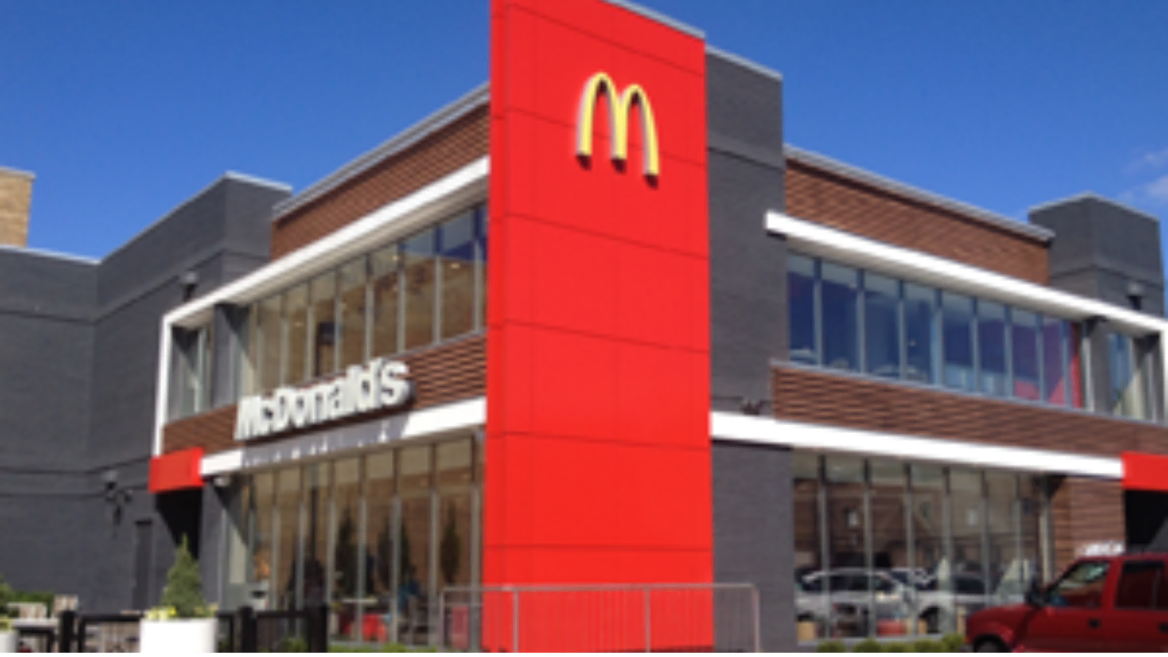

McDonald’s launched a new strategic plan in June 2026, dubbed McDonald’s > NEXT, organized around four pillars: menu quality and innovation, restaurant redesigns, improved in-store hospitality, and culturally driven marketing. The plan builds on four consecutive quarters of US same-store sales growth and directly affects the operational and investment expectations of the brand’s roughly 13,500 US franchised units, reinforcing the economics of its franchise model across the system.
McDonald’s CEO Chris Kempczinski unveiled the plan in a memo sent to the chain’s global system on June 2, 2026. The announcement follows a first quarter in which the franchise brand reported +3.9% US same-store sales growth, driven in part by successful limited-time offers tied to entertainment properties and a KPop collaboration. McDonald’s has positioned the new plan not as a departure from recent strategy, but as a formalization and acceleration of initiatives already underway across menus, technology and restaurant design.
The Four Pillars of McDonald’s > NEXT
The plan identifies four areas of focus. The first is menu innovation, centered on improving chicken, beef and beverage quality at scale. McDonald’s dedicated separate development teams to these categories in 2025, and the new plan formalizes their mandate: new sauces for chicken, an improved McCrispy platform, and a broader McCafe refresh including dirty sodas and seasonal refreshers.
The second pillar covers restaurant redesign and operational efficiency. McDonald’s plans to introduce more connected back-of-house systems and test automated order-taking, which it says will free crew members to focus on guest interactions. The third pillar addresses hospitality, including localized greeting programs already piloted in Canada and Australia. The fourth covers marketing, where the brand is doubling down on cultural partnerships. “Customers today don’t just want to see the brand, they want to feel part of it,” said Morgan Flatley, Executive Vice President and Global Chief Marketing Officer.
Franchisee-Level Investments in Remodels and Technology
For US franchisees, the plan carries specific operational implications. McDonald’s has been running its Lookin’ Good remodel program at Applebee’s under a separate initiative, but McDonald’s own remodel cycle is an active component of the new strategy. Franchisees who have completed redesigns are seeing mid-single-digit sales lifts, according to the company’s Q1 2026 earnings commentary.
On technology, the brand plans to consolidate administrative tools into a single dashboard for new hires and managers, reducing time spent navigating multiple platforms. Automated order-taking tests are expected to roll out in select locations, though McDonald’s has not confirmed a timeline or scope for broader deployment. “We’re creating feel-good moments for customers and crew by making our restaurants easier to run and more enjoyable to visit,” said Jill McDonald, Executive Vice President and Global Chief Restaurant Experience Officer.
Cultural Marketing as a Growth Driver
McDonald’s marketing team has identified fan-based cultural activations as one of its most effective traffic drivers. A recent collaboration with NBA star Devin Booker around a Nike sneaker release incorporated a social media scavenger hunt and sold out within minutes of the general shoe launch on June 2. A found-footage video tied to the “Backrooms” internet phenomenon was also deployed organically, generating engagement without a formal paid partnership.
The brand frames these activations as a replicable model: deep immersion in fan communities, co-creation with cultural figures who have authentic ties to the brand, and organic content that spreads through existing fandoms. McDonald’s has stated it will continue investing in this approach as part of the McDonald’s > NEXT framework throughout 2026 and beyond.
This content is provided for informational purposes only and does not constitute legal, tax, financial, or professional advice. Laws and regulations vary by state and individual circumstances and may change over time. Readers should consult a qualified attorney, tax professional, or other licensed professional regarding their specific situation. Nothing herein creates an attorney-client relationship.